


Speakers

Professor David BRIGGS
Adjunct Professor, College of Health Systems Management, Naresuan University of Thailand
Editor, Asia Pacific Journal of Health Management
President, Society for Health Administration Programs in Education (SHAPE)
Health Reform: Critical Challenges for Health Systems Management - Australian Perspectives
BiographyProfessor Briggs is Adjunct Professor of the College of Health Systems Management at the Naresuan University of Thailand, and Editor of Asia Pacific Journal of Health Management. He is the President of Society for Health Administration Programs in Education (SHAPE). Professor Briggs is Fellow, Life Member and Past National President of the Australasian College of Health Services Management (ACHSM), and Founding Fellow of the Hong Kong College of Health Service Executives. He was the recipient of the NSW ACHSM Presidents Award 2014 for his extensive contributions to the College and to health services in NSW.
He has had extensive senior management and governance experience in the public health sector. His consultancy, research and publications include work in the health sector, most recently in PHC, in the Asia Pacific as well as Australia. Currently he is a Director of a PHC network, HNECCPHN and Chairs the Research, Innovation, Design and Planning Sub Committee, former Chair, New England Medicare Local, former Director, HealthWise P/L, a Director of DSB Consulting A/Asia P/L and a former Director of North West Division of General Practice.
Professor Briggs was previously Head of the Health Management Program at the University of New England and has taught across the range of course units in that program both domestically, and overseas at the Chinese University of Hong Kong. His research and publications interest focus on health reform, health systems management and the potential for distributed networks of practice in the delivery of primary health care. He has presented and published extensively in relation to his work in the Asia Pacific and this detail is available at https://www.researchgate.net/profile/David_Briggs/timeline .
Abstract
This presentation describes the Australian Health care system which is positioned as one of the best performing health systems across the range of OECD countries. The Australian health system is complicated as there is shared funding and service delivery between the States and the Commonwealth (National government). While we have a national health insurance system we do not have a simply structured national health system. The system has experienced continuous health reform focused on structure and restructure. Demand and utilization of services are high while health expenditure has risen faster than either population growth or ageing. The challenges for the Australian health system are identified as managing downward fiscal pressure and increasing capacity and demand for services; ensuring we deliver the right mix of care for the chronically ill, frail aged by allocating resources optimally and a continued concern for improved quality and safety of care. The responses to these challenges are likely to be a focus on improving the effectiveness of care; greater investment to address social determinants of health and sustainable development goals (SDGs) and perhaps harmonizing health insurance systems. The article is developed from the contemporary literature about the Australian health system and the future directions are identified from invited expert papers in the current issue of APJHM 3(11). The article describes possible responses to the challenges described and suggests emerging themes and approaches to health reform that are likely to move the emphasis of reform from structure to an emphasis on health outcomes through the use of knowledge, research and social movement to improve collaborative and networked practice. The presentation concludes by suggesting possible future directions from an analysis of the language of health reform.
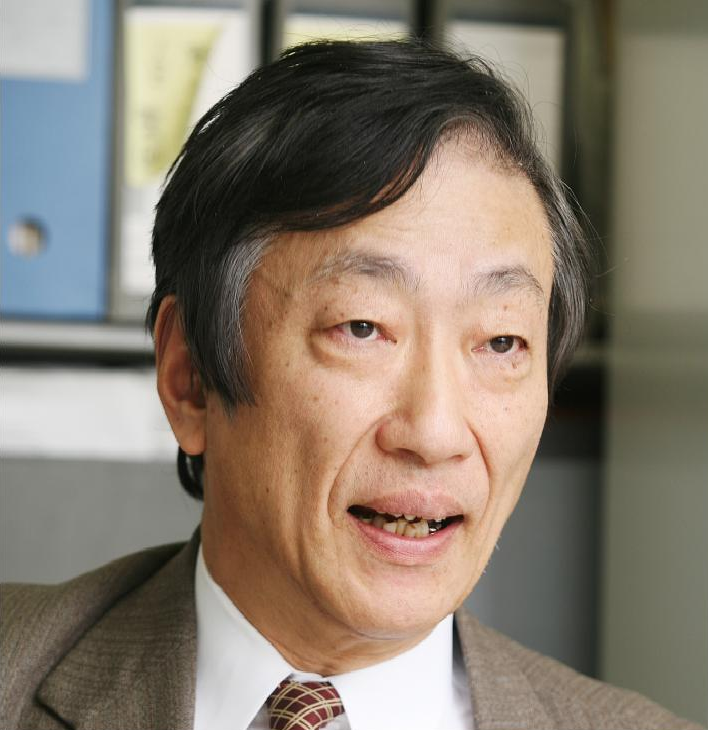
Professor Toshihiko HASEGAWA, MD MPH PhD
President, Future Health Research Institute
Historical Overview of Health Sector Reform of Japan and its Future Perspective
BiographyProfessor Hasegawa is President of the Future Health Research Institute. He is a retired Professor of Nippon Medical School after a long career in the Japanese government, including development of elderly care policy and management of Japanese national hospitals. He graduated from Harvard School of Public Health for MPH, from Osaka University Medical School for MD, and finished General Surgical Residency in Milwaukee, Wisconsin.
He taught at many medical schools in Japan as Visiting Professor of health policy and hospital management. He did research on health policy, health sector reform, planning and evaluation of disease management program, hospital strategic management and international health. Professor Hasegawa published many papers and books about ageing society, international health, health policy, hospital management, health care delivery system and safety and quality of care including the Hospital Strategic Management in 2002 that was translated in Korean, Thai, Russian and Chinese and the International Symposium on Health Transition and Health Sector Reform in Asia in 1998.
Abstract
Rapidly aging and how to deal with problems relating aging are major challenges common in East and South-east Asian countries. Reform of the total society is needed to deal with aging related problems and make the society and social systems sustainable. Although Japan is highly industrialized and Japanese makers are highly competitive in global markets, there are several areas which are protected by barriers such as authorization by governments and governmental financial aid. Education, agriculture and healthcare are highly protected areas, and regarded as main battle fields. In Japan, health sector reform led by P.M. Koizumi (2001-2006) was characterized by neoliberalism; tried to strengthen the power of the cabinet office (secretariat of the P.M.) compared to each assigned ministry, implement internal market through deregulation. The reform was succeeded by P.M. Abe whose government lasted less than 1 year (2006-2007) because of his health problem. Reform by Koizumi and Abe specified several important areas for reform with recommendations, and suggested that 1) change of decision making process among governments would be effective, 2) political stability was essential since the reform takes relatively long time (at least several years). After experiencing serious retreat by the government of Democratic Party of Japan (2009-2012), Abe came back to the government again in 2012, and has been leading the reform. Japan witnessed 1) increase of the elderly and worsened fiscal situation, 2) the role of healthcare as a safety net in case of disaster such as earthquake and tsunami in 2011 and 3) introduction of expensive new medical technologies. They accelerate the reform with some modification. Areas for deregulation are clearly distinguished from areas under public control, where the power of authority was strengthened. Regional health plan and integrated healthcare system are characterized by strict control of number of hospital beds by function based upon the expected number of patients in future. OPDIVO (Nivolumab) is highly effective in about 20% of patients with lung cancer or malignant melanoma. The average annual cost per patient is about 35,000,000 JPN, and is clearly unacceptable. It changed the revising process of national tariff for medications from every two years to every year paying attention to real sales compared to expected sales, and encouraged precision medicine. As an infrastructure, genome bank of cancer patients will be built to facilitate genome-base diagnosis as for responsiveness to expensive anti-cancer medications resulting in cost-effective personalized medicine. My presentation will address Japan’s experience from 2011 and try to extract lessens learned.
Professor Tomonori HASEGAWA, MD PhD
Professor and Chair, Division of Health Policy and Health Service Research Department of Social Medicine, Toho University School of Medicine of Japan
Health Sector Reform – Japan’s Experience
BiographyProfessor Hasegawa is Professor and Chair of the Division of Health Policy and Health Service Research Department of Social Medicine at the Toho University School of Medicine of Japan. He had his medical education at the Tokyo University School of Medicine, where also received his Doctor of Philosophy. He was previously a Resident at the Tokyo University Hospital in Internal Medicine.
He is a member of the Japanese Society of Public Health, Japanese Society of Hygiene, Japanese Society of Transplantation, Japanese Society of Hospital Administration, Japanese Society of Healthcare Management. He also holds membership of the following specialist councils or committees: Ministry of Labour, Health and Welfare, Committee on Disclosure of Healthcare Information, Committee on the Administration of Healthcare Organizations, Cabinet Office Council for Regulatory Reform, Office for the Promotion of Regulatory Reform and Private Finance Initiative, Japan Council for Quality in Health Care Center for Medical Accident Prevention (vice-chair).
Professor Hasegawa’s research background includes health policy, health economics, quality assessment of health care.
Abstract
Rapidly aging and how to deal with problems relating aging are major challenges common in East and South-east Asian countries. Reform of the total society is needed to deal with aging related problems and make the society and social systems sustainable. Although Japan is highly industrialized and Japanese makers are highly competitive in global markets, there are several areas which are protected by barriers such as authorization by governments and governmental financial aid. Education, agriculture and healthcare are highly protected areas, and regarded as main battle fields. In Japan, health sector reform led by P.M. Koizumi (2001-2006) was characterized by neoliberalism; tried to strengthen the power of the cabinet office (secretariat of the P.M.) compared to each assigned ministry, implement internal market through deregulation. The reform was succeeded by P.M. Abe whose government lasted less than 1 year (2006-2007) because of his health problem. Reform by Koizumi and Abe specified several important areas for reform with recommendations, and suggested that 1) change of decision making process among governments would be effective, 2) political stability was essential since the reform takes relatively long time (at least several years). After experiencing serious retreat by the government of Democratic Party of Japan (2009-2012), Abe came back to the government again in 2012, and has been leading the reform. Japan witnessed 1) increase of the elderly and worsened fiscal situation, 2) the role of healthcare as a safety net in case of disaster such as earthquake and tsunami in 2011 and 3) introduction of expensive new medical technologies. They accelerate the reform with some modification. Areas for deregulation are clearly distinguished from areas under public control, where the power of authority was strengthened. Regional health plan and integrated healthcare system are characterized by strict control of number of hospital beds by function based upon the expected number of patients in future. OPDIVO (Nivolumab) is highly effective in about 20% of patients with lung cancer or malignant melanoma. The average annual cost per patient is about 35,000,000 JPN, and is clearly unacceptable. It changed the revising process of national tariff for medications from every two years to every year paying attention to real sales compared to expected sales, and encouraged precision medicine. As an infrastructure, genome bank of cancer patients will be built to facilitate genome-base diagnosis as for responsiveness to expensive anti-cancer medications resulting in cost-effective personalized medicine. My presentation will address Japan’s experience from 2011 and try to extract lessens learned.
Dr Phudit TEJATIVADDHANA, MD MPA (1st class Hons) DHSM(UNE) FCHSM
Assistant to the President, Comprehensive Operations, Naresuan University
Assistant Professor, College of Health Systems Management, Naresuan University
Health Reform: Perspectives from the Thai Experience
BiographyDr Tejativaddhana is the Assistant to the President for Comprehensive Operations of the Naresuan University (NU) at Phitsanulok in Thailand, and the Assistant Professor of the College of Health Systems Management at NU. He has been assigned to establish and manage the College of Health Systems Management at NU, which aims to create body of knowledge on health systems management and train managers and researchers in this field in order to help support Thailand and other countries in this sub-region especially in ASEAN to achieve the UN’s sustainable development goals (SDGs) in 2030. He was commissioned to consider a draft of the Public Health Professional Act which was successfully enacted in 2013. He initiated the award for the best public health practitioners in Thailand and was conferred the name of the award from H.M. King Bhumipol as ‘Jayanadnarendhorn’ (The name of Thai prince who is the founder of Thai Public Health Ministry).
Dr Tejativaddhana is a general practitioner by background and has been in senior executive roles both in the public and private sectors for many years. He is a founding Director of the Lower-northern Region Heart Centre at NU, advisor to the Minister of Public Health, member of the Senate Standing Committee on Public Health, member of the Subcommittee on Health Services Reform, National Reform Council, former Vice President of Navamindradhiraj University, Bangkok and former Dean of the Faculty of Public Health, NU. He initiated and headed the Master of Public Health program with an emphasis on health services management at NU, a program that was funded by the National Health Security Office.
Dr Tejativaddhana’s research and publications interest focus on health reform, health systems management, and primary health care. Internationally, Dr Tejativaddhana is the founding member of the South-East Asia Primary Health Care Innovations Network (SEAPIN) which is supported by the WHO SEARO. He is also the founding member of the Greater Mekong Subregion Public Health Academic Network, which includes the Deans and the Rector of 14 public health academic institutions in Cambodia, China, Laos, Myanmar, Thailand and Vietnam.
Abstract
Thailand has performed admirably in its health reform over the last few decades and achieved universal health insurance. The challenges now faced by Thailand are similar to most developed countries; an ageing and increasingly urban population reflecting adult mortality and risk factors of an upper-middle income population and the need to modify institutional structures to reflect these changing circumstances. The approach to these challenges has focused on the move to District Health Systems as the access point to healthcare and the service delivery structure demands competent qualified leadership and management. The main concept of this approach is relevant to the concept and principle of the WHO’s DHS development based on primary health care as specified in the Harare Declaration signed in 1987. The aims of this concept are to improve quality of life of people and to encourage people to have better self-care and to look after each other in their own communities. This approach provides recognition of the need to build the capacity and capability of health professionals in the management and leadership of health systems. The purpose of this paper is to discuss the current initiatives in reforming the Thai health system at the district level by improving quality of primary care services and strengthening governance and management capacity of district health boards in order to meet the concept of DHS development. Also, this paper will discuss the role of the recently established College of Health Systems Management of Naresuan University, Thailand in those initiatives within the context of attaining Sustainable Development Goals (SDGs) implementation.
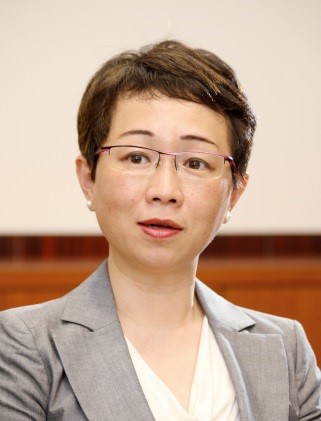
Professor Jui-fen Rachel LU, BS MS ScD
Professor, Graduate Institute of Business and Management and Department of Health Care Management of the College of Management, Chang Gung University
Beyond a 20-Year Journey of Universal Health Coverage in Taiwan: Challenges Ahead
BiographyProfessor Lu is a Professor in the Graduate Institute of Business and Management and Department of Health Care Management of the College of Management at Chang Gung University in Taiwan, where she teaches comparative health systems, health economics, and health care financing and has served as Department Chair (2000-2004), Associate Dean (2009-2010), and Dean of College of Management (2010-2013). She earned her B.S. from National Taiwan University, and her M.S. and Sc.D. from Harvard University.
Professor Lu was a Fulbright Visiting Scholar at Stanford University (2015-2016), and a Takemi Fellow at Harvard (2004-2005), and she is also currently an Honorary Professor at Hong Kong University (2007-2017). She co-founded Taiwan Society of Health Economics (TaiSHE) in 2008 and currently serves as President of TaiSHE (2014-2017). Professor Lu is also a member of the Arrow Award Committee for International Association of Health Economics (iHEA) (2014-2016), and iHEA board director.
Her research focuses on 1) the equity issues of the health care system; 2) impact of the NHI program on health care market and household consumption patterns; 3) comparative health systems in Asia-Pacific region. She is a long-time and active member of Equitap (Equity in Asia-Pacific Health Systems) research network. Professor Lu has been appointed to serve on several advisory boards to Taiwan Ministry of Health and Welfare, National Health Insurance Administration, and Ministry of Science and Technology.
Abstract
Universal Health Coverage (UHC) is being embraced globally as an important goal to improve population health. In 2015, Taiwan National Health Insurance (NHI) celebrated its 20th anniversary since its historical inauguration in 1995. The single-payer NHI program, operated by National Health Insurance Administration (NHIA), was established through integrating three existing social insurance schemes and extended the coverage to the then uninsured 43% of the population. Taiwan NHI offers comprehensive benefit coverage that includes ambulatory care (Western and Chinese medicines, and dental services) as well as inpatient services. On the service side, Taiwan has a market-oriented health care delivery system, reflecting its free-enterprise economy, as evidenced by the pluralistic organization of health services. Hospital ownership is mixed where public hospitals only account for 35% of all beds. There is no gate keeping mechanism and the insured essentially enjoy complete freedom of choice which is likely a source of overuse. As a single payer, NHIA has effectively exploited its market power to experiment with various payment reforms in its 20-year history. NHIA gradually set up separate global budgets for dental services, Chinese medicines, primary care services, and hospital services since 1998. The annual growth rate of the total NHI budget is negotiated among stakeholders. NHI revenue mainly relies on payroll-based premiums, supplemented by a levy on non-payroll income and government subsidies. In 2014, NHI spent roughly NTD 538 (USD 16.9) billion on medical claims, accounting for approximately 52% of national health expenditures, and in total, Taiwan devoted 6.2% of GDP to health. The NHI program, which provides universal health coverage (UHC) to Taiwan’s population of 23 million, has had a profound impact on Taiwan’s health system. This presentation will showcase Taiwan’s NHI scheme, the recent financing reform and challenges ahead, in terms of impact of physician supply and long-term care.

Dr ZHANG Hui (Vivienne), MSc PhD
Assistant Professor, Department of Health Policy and Management, Sun Yat-sen University
Health Care System in China and Recent Reform Initiatives
BiographyDr Zhang is an Assistant Professor in the Department of Health Policy and Management of the Sun Yat-sen University in China. She received her PhD in health economics from The Hong Kong Polytechnic University, her MSc in economics from The Hong Kong University of Science and Technology.
As a doctoral student, she spent one year as a visiting scholar at the University of California in the Los Angeles (UCLA) School of Public Health. Dr Zhang’s research focus is health economics, especially health insurance reform, health care financing, health policy evaluation, and cost-effectiveness analysis.
Abstract
Since launching the health care reform in 2009, China has made significant progress in establishment of a basic health insurance system covering both urban and rural residents. China’s social health insurance schemes – including the Urban Employee Basic Medical Insurance scheme (UEBMI; launched in 1998), Urban Resident Basic Medical Insurance scheme (URBMI; launched in 2007), and the New Rural Cooperative Medical Scheme (NRCMS; launched in 2003) – have rapidly expanded during the past decade and now cover almost the whole Chinese population. The UEBMI scheme is mandatory for the employees and retirees in urban areas, with premiums paid by both employers and employees, covering outpatient expenditures, inpatient services and designated pharmacies. Those not covered by the UEBMI scheme could join the voluntary URBMI scheme jointly financed by enrollees and the government. Rural residents enroll voluntarily in the NRCMS scheme in the units of families, financed by the enrollees and the government. Payroll taxes are the main funding source for the UEBMI scheme, and government subsidies are the major funding sources for the URBMI scheme and NRCMS. In recent years, government health funding increased obviously and China’s total health expenditure as a percentage of GDP has attained 6% in 2015. Proportion of out-of-pocket payments in total health expenditures has been rapidly reduced after introduction of the social health insurance schemes. Due to the complexity and systematic nature, health care system reform in China is faced with many challenges that require persistence and development. The reform needs to go further in promoting comprehensive reform of health insurance, medical services delivery, and integrating basic health insurance schemes.
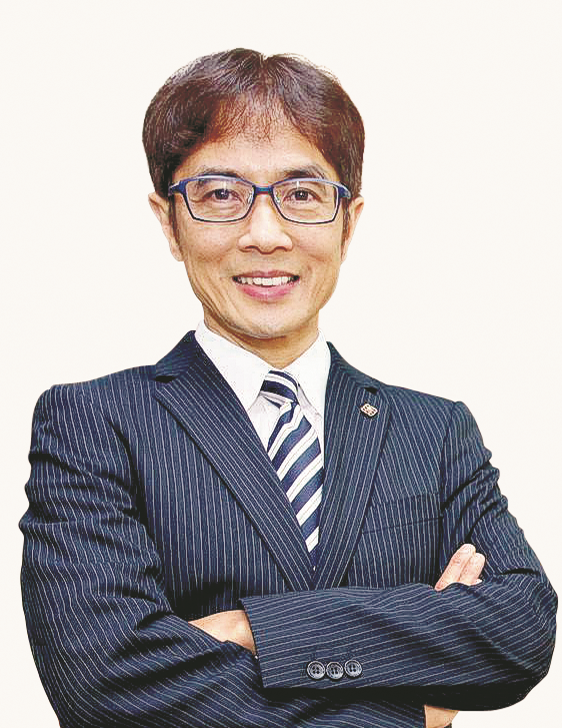
Professor Peter P. YUEN, BA; MBA(SUNY Buffalo); PhD(Birmingham); FCHSM(Aust)
Dean, College of Professional and Continuing Education (CPCE)
Professor, Department of Management and Marketing, The Hong Kong Polytechnic University
The Lack of Progress in Health Systems Reform in Hong Kong: Reasons, Implications, and The Way Forward
BiographyProfessor Peter P. Yuen is Dean of the College of Professional and Continuing Education (CPCE) of The Hong Kong Polytechnic University (PolyU). He is also Professor in the Department of Management and Marketing of PolyU.
He received his Bachelor of Arts degree in Cellular and Molecular Biology and Master in Business Administration degree from the State University of New York at Buffalo, and his Doctor of Philosophy degree in Health Economics from the University of Birmingham. Professor Yuen’s research involves public policy formulation and evaluation, and health services management. He is an Editor of Public Administration and Policy and an Editorial Committee member of Asia Pacific Journal of Health Management. He is also a consultant for the Hong Kong SAR Government and the Bauhinia Foundation on a number of public policy related projects including the West Kowloon Cultural District, Sustainable Built Environment, Subsidized Homeownership, Managed Care, and Health Systems Reform.
Professor Yuen is currently the Chairman of the Federation for Self-financing Tertiary Education (Hong Kong). He is a founding Fellow of the Hong Kong College of Health Services Executives, and an Honorary Fellow of the Australian College of Health Services Management. He once served as Vice-President of the Chinese National Institute of Health Care Management Education, and President of the Hong Kong Public Administration Association.
Abstract
The author reviews major health care reform initiative attempts by the Hong Kong government since the 1990’s. The author applies public choice and other public policy theories to explain the lack of success in these initiatives. The current financing and delivery system is evaluated in terms of its efficiency and its ability to cope with the rapidly ageing population. Government subvention amounts and the number of doctors employed in public hospitals are measured against output. The results of the analyses suggest that, contrary to popular opinion that not enough resources are given to public hospitals, government has, in fact, been providing more resources to the public health care system year after year (measured by subvention amount, doctor to population ratio, doctor to bed ratio, doctor to patient days, etc). Long standing problems, such as waiting time, appear to be worsening despite increases in funding. The results suggest that the structure of the health care system is too acute-centric, and the current funding mechanism creates perverse incentives. The author concludes that Hong Kong is poorly prepared to cope with the rapidly ageing population, and that the quality of care and accessibility to care are likely to further deteriorate. Given the existing constitutional arrangement in Hong Kong, the author recommends reforming the existing tax based financing system instead of launching new initiatives to replace it. The restructuring of some existing funding and administrative responsibilities of relevant public bodies to address the compartmentalization and perverse incentive problems and the establishment of an earmarked government future fund to assure the future viability of the tax-based system are suggested as the way forward.