


.jpg?Status=Master&sfvrsn=27ad26c2_4)
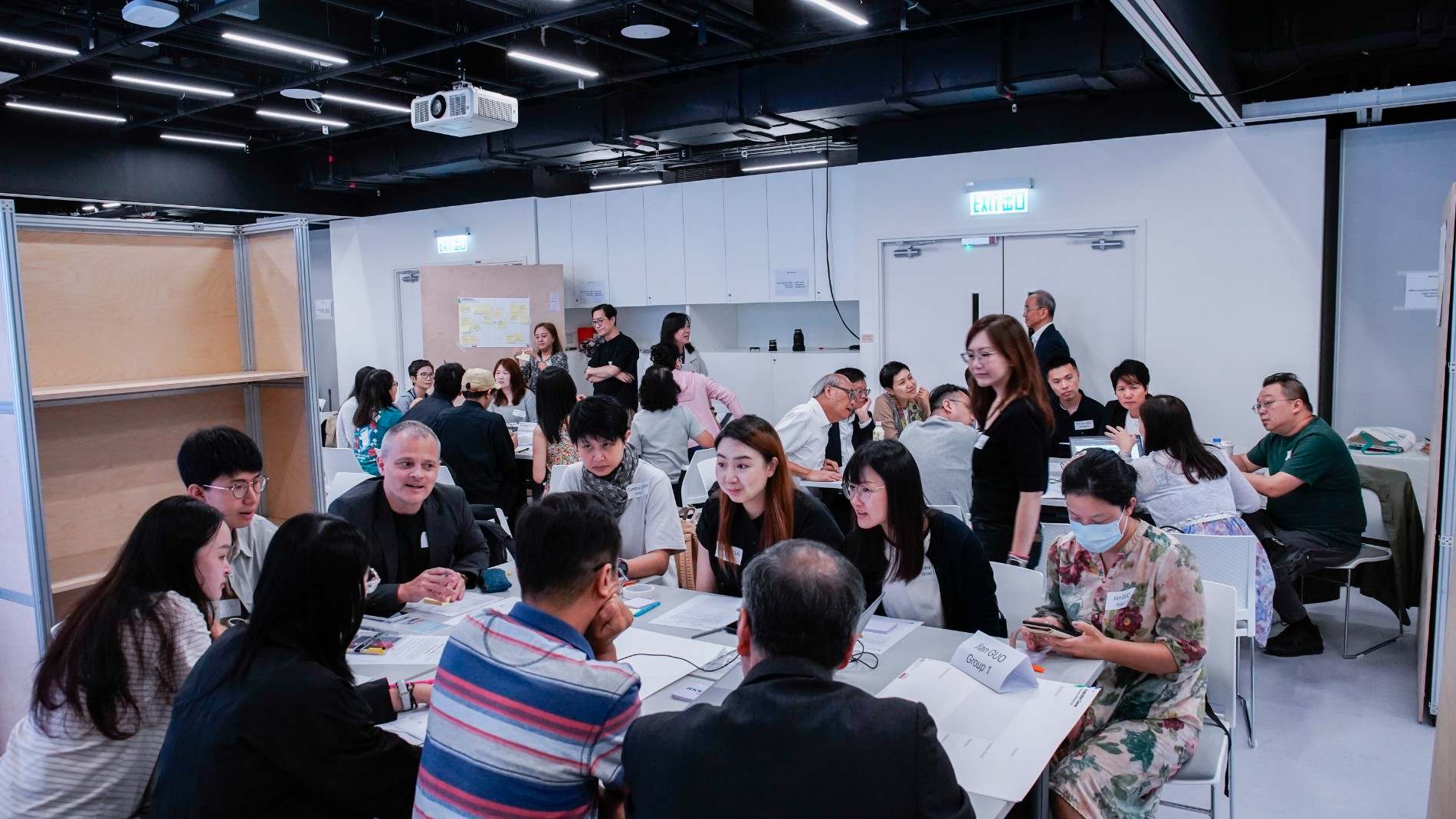
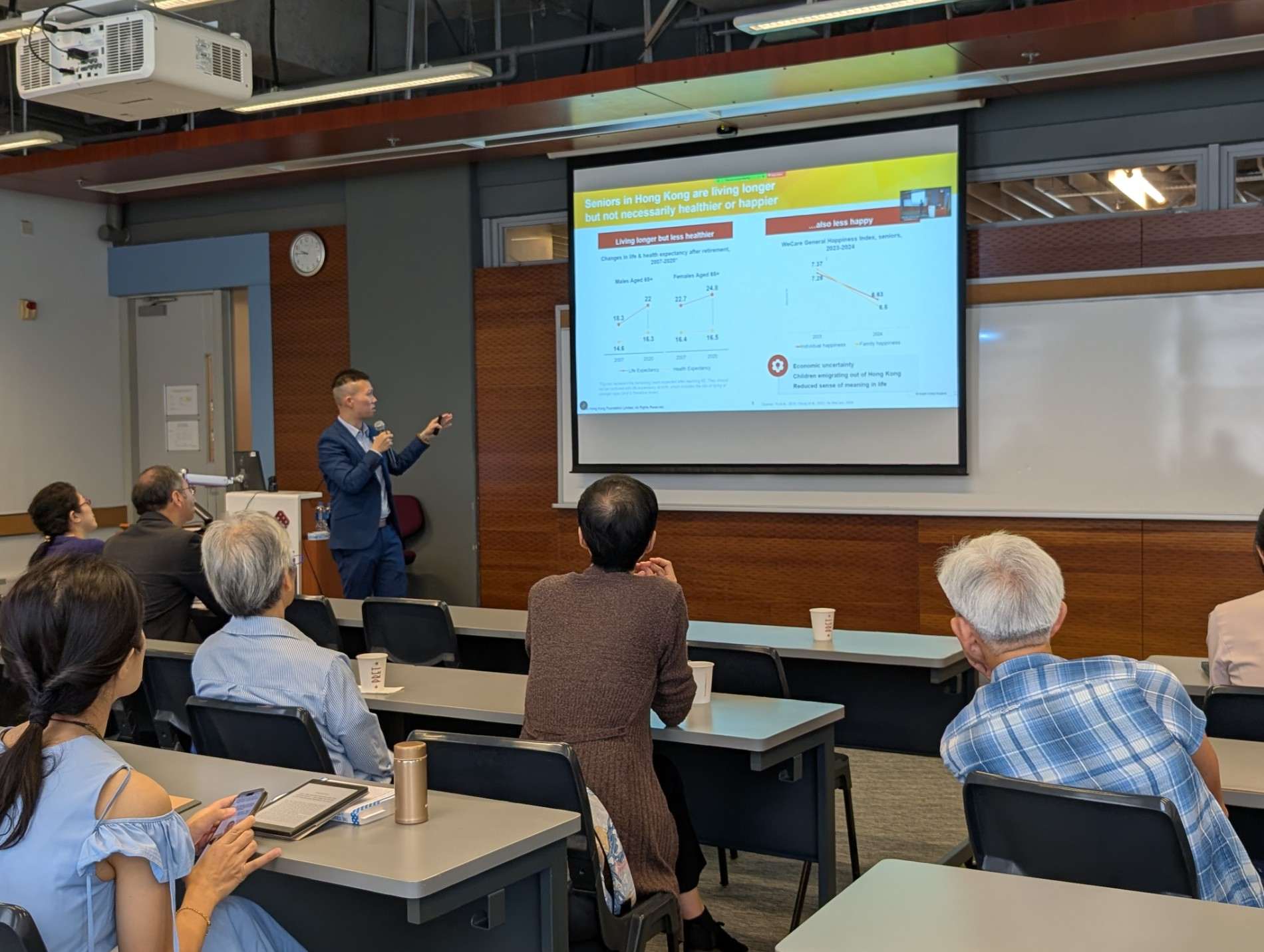
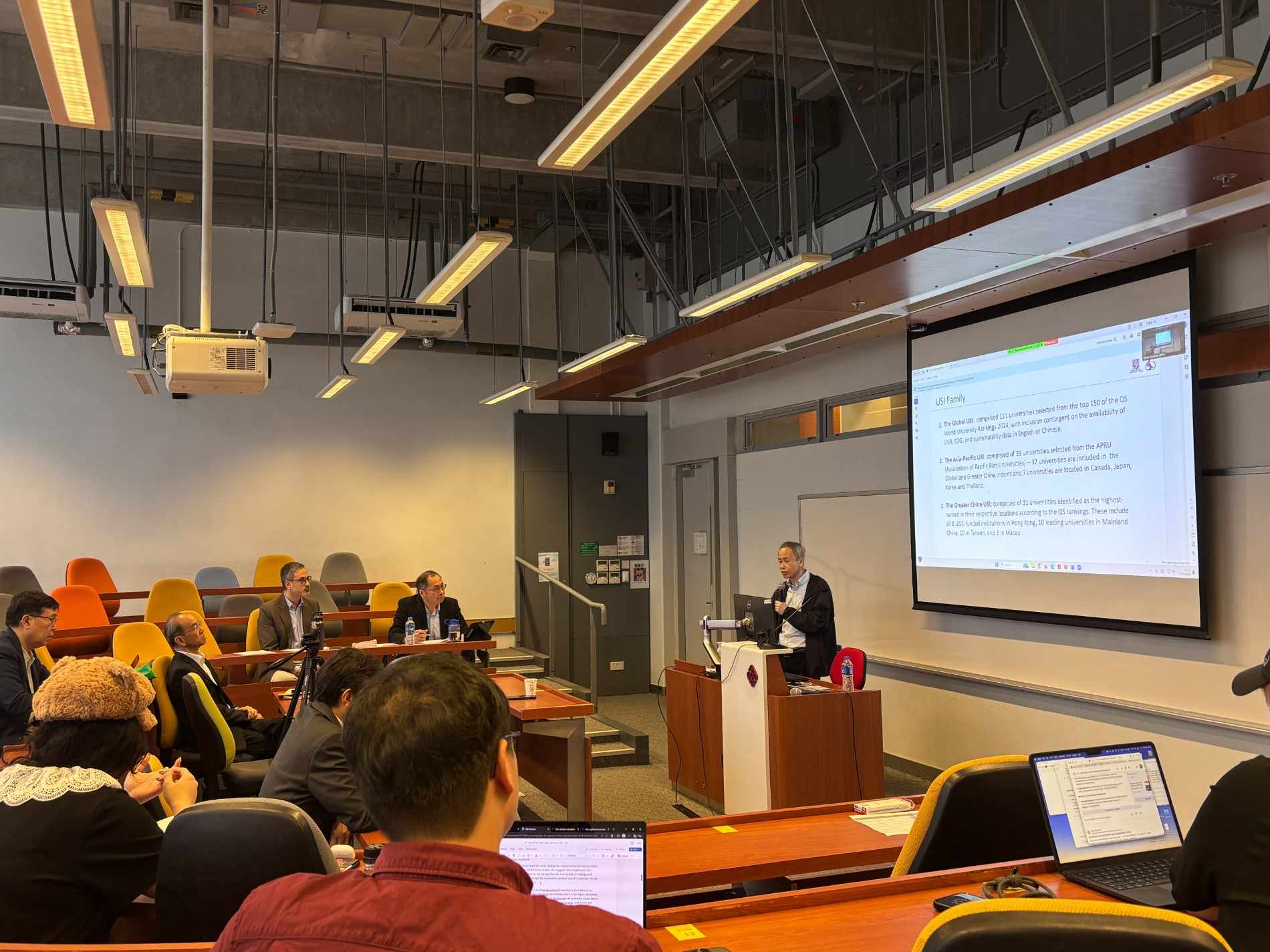
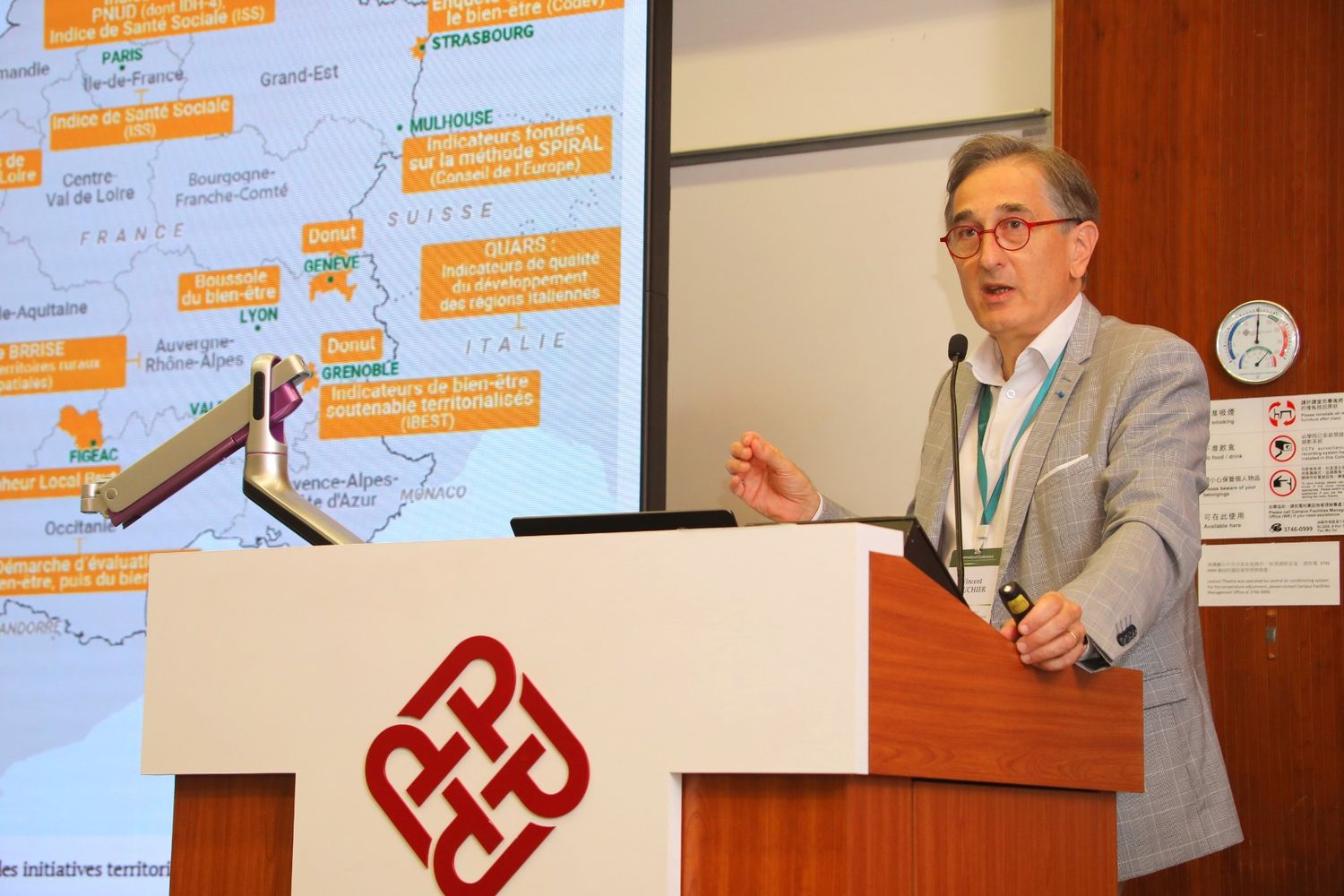
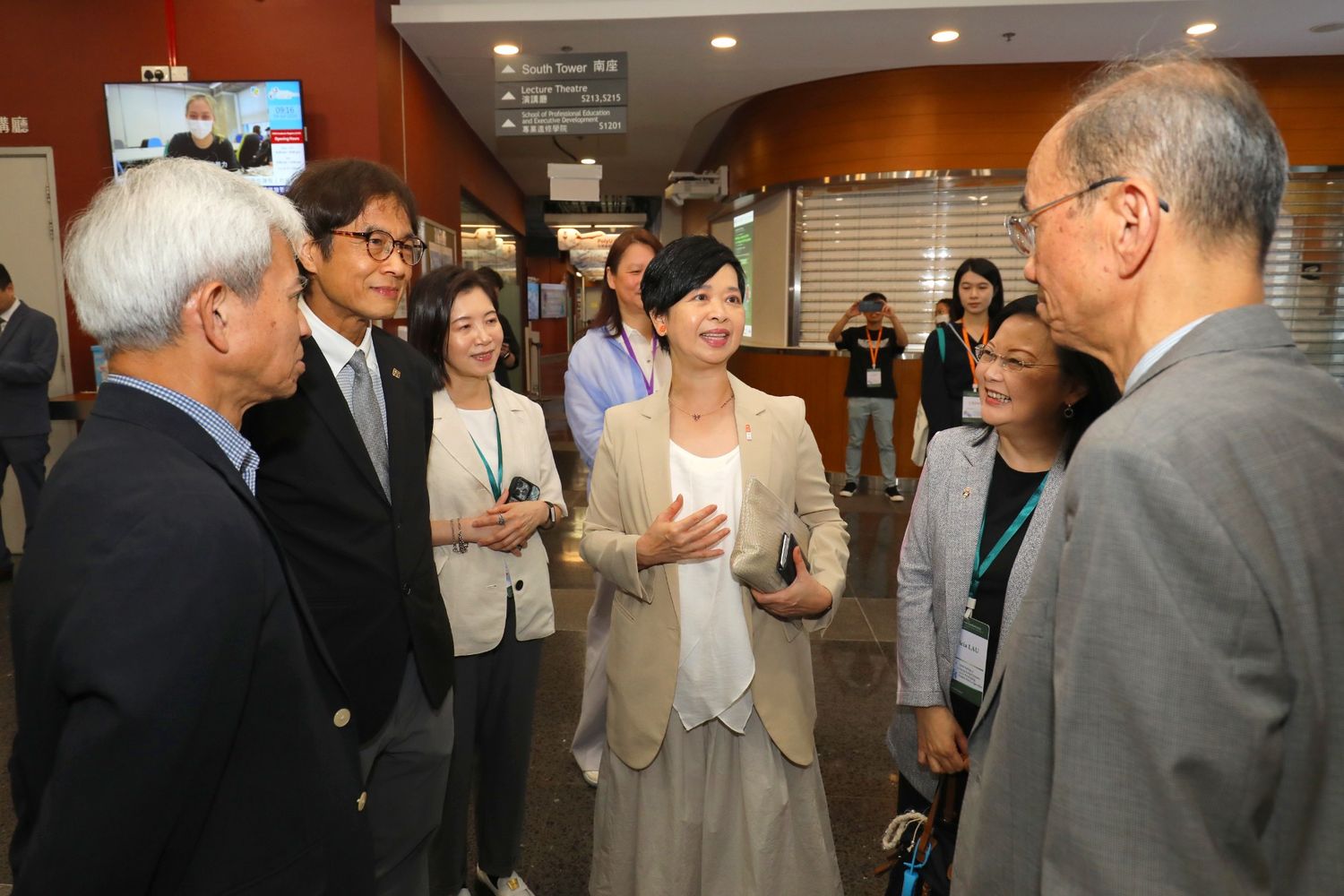
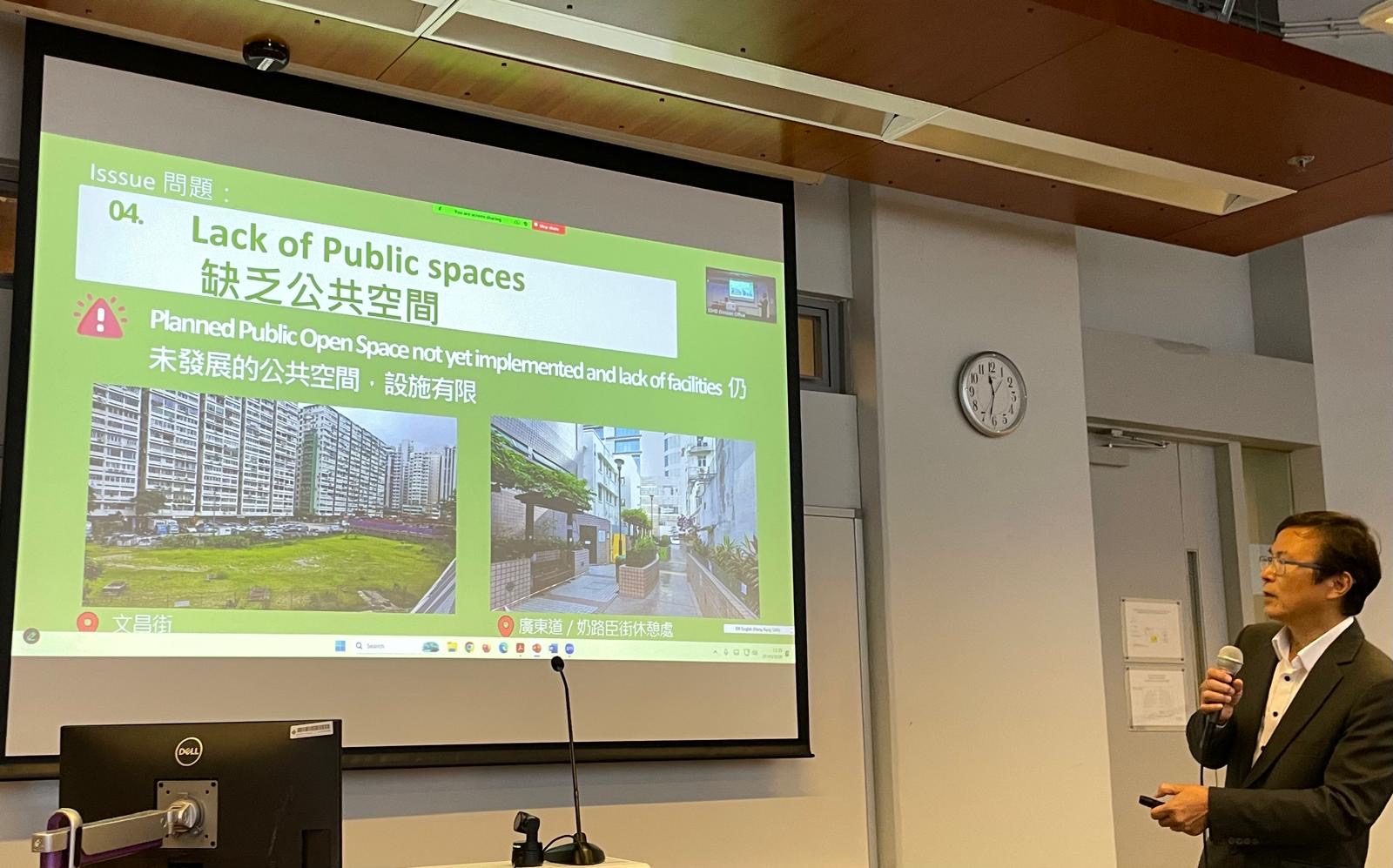
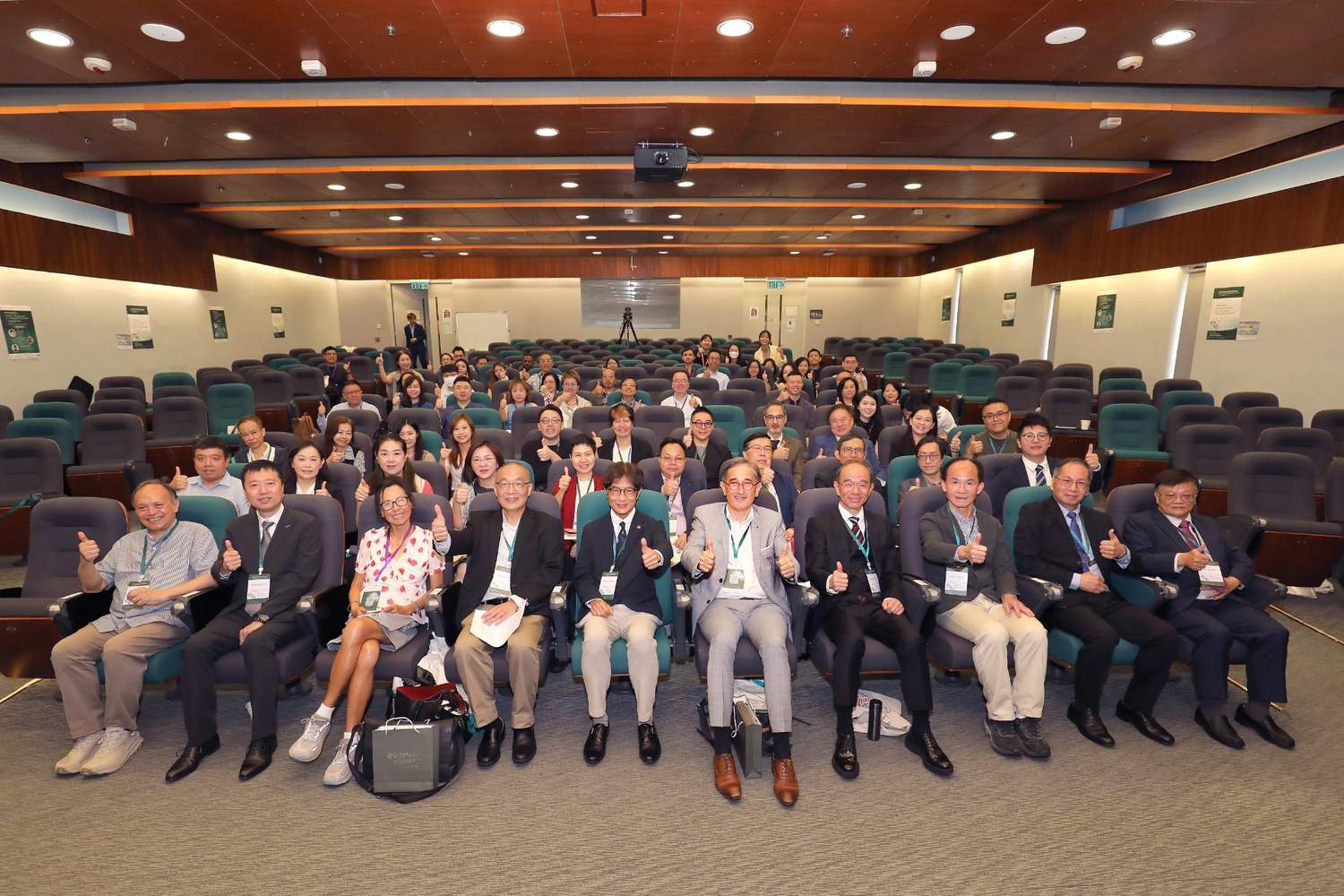
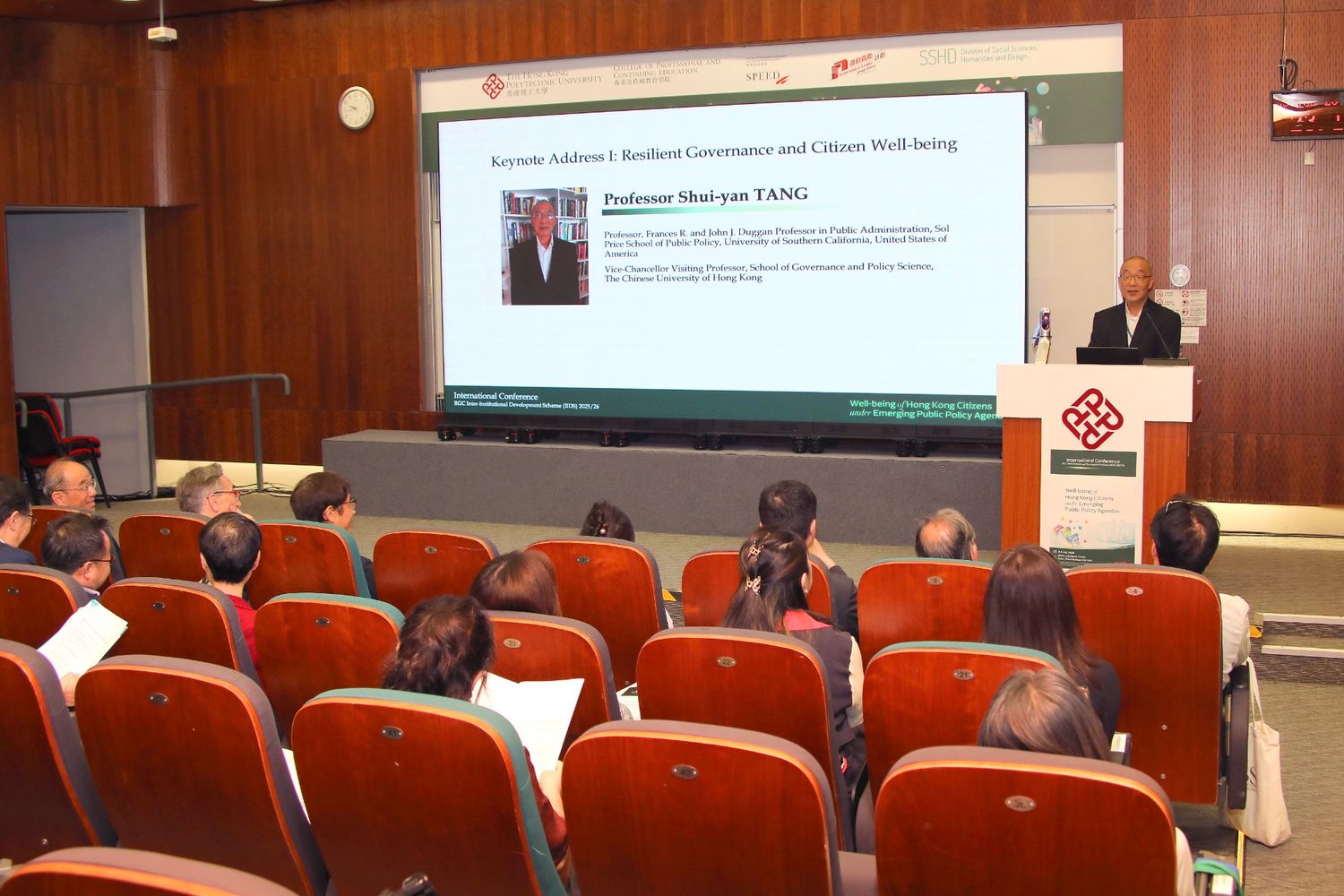
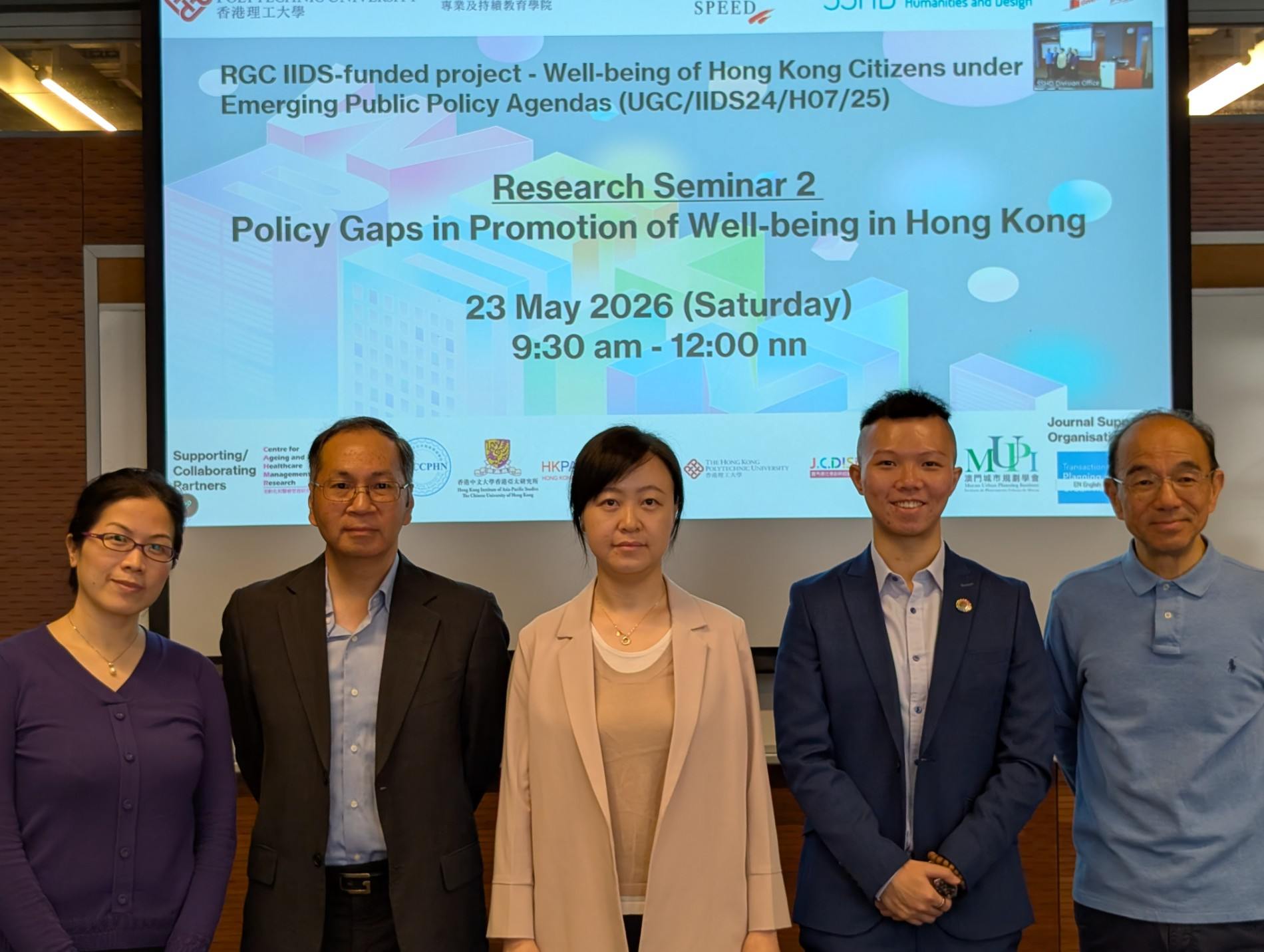
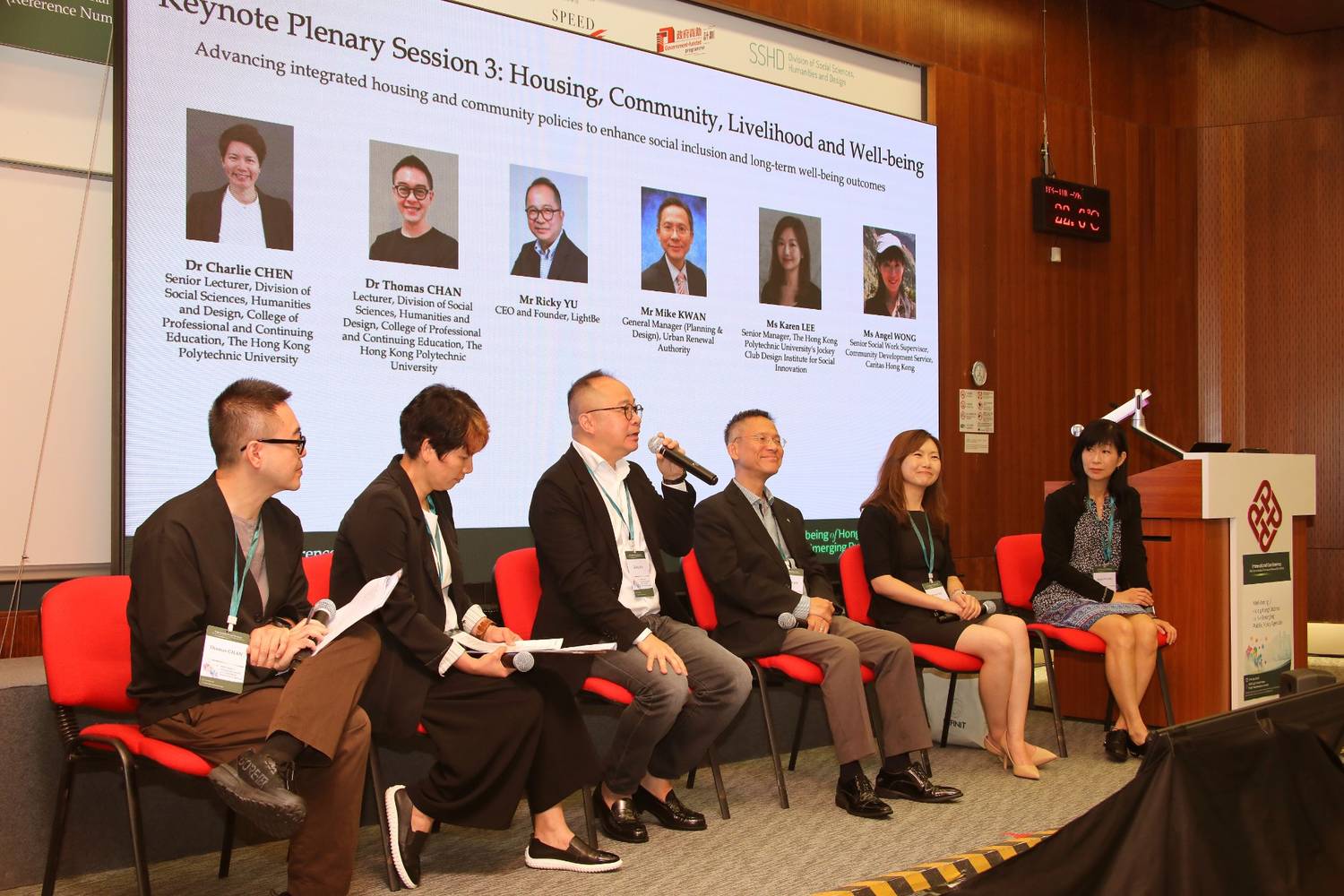
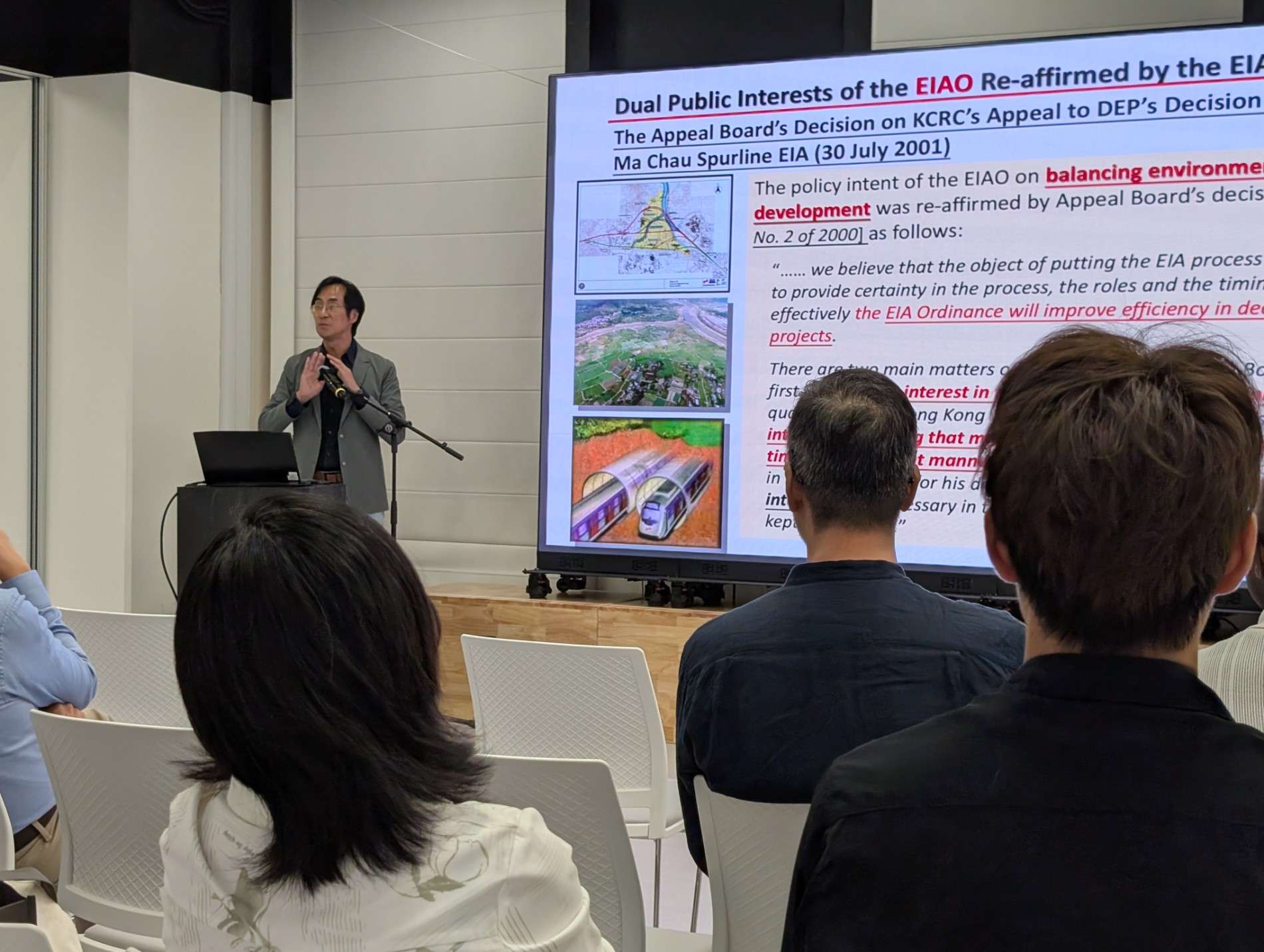
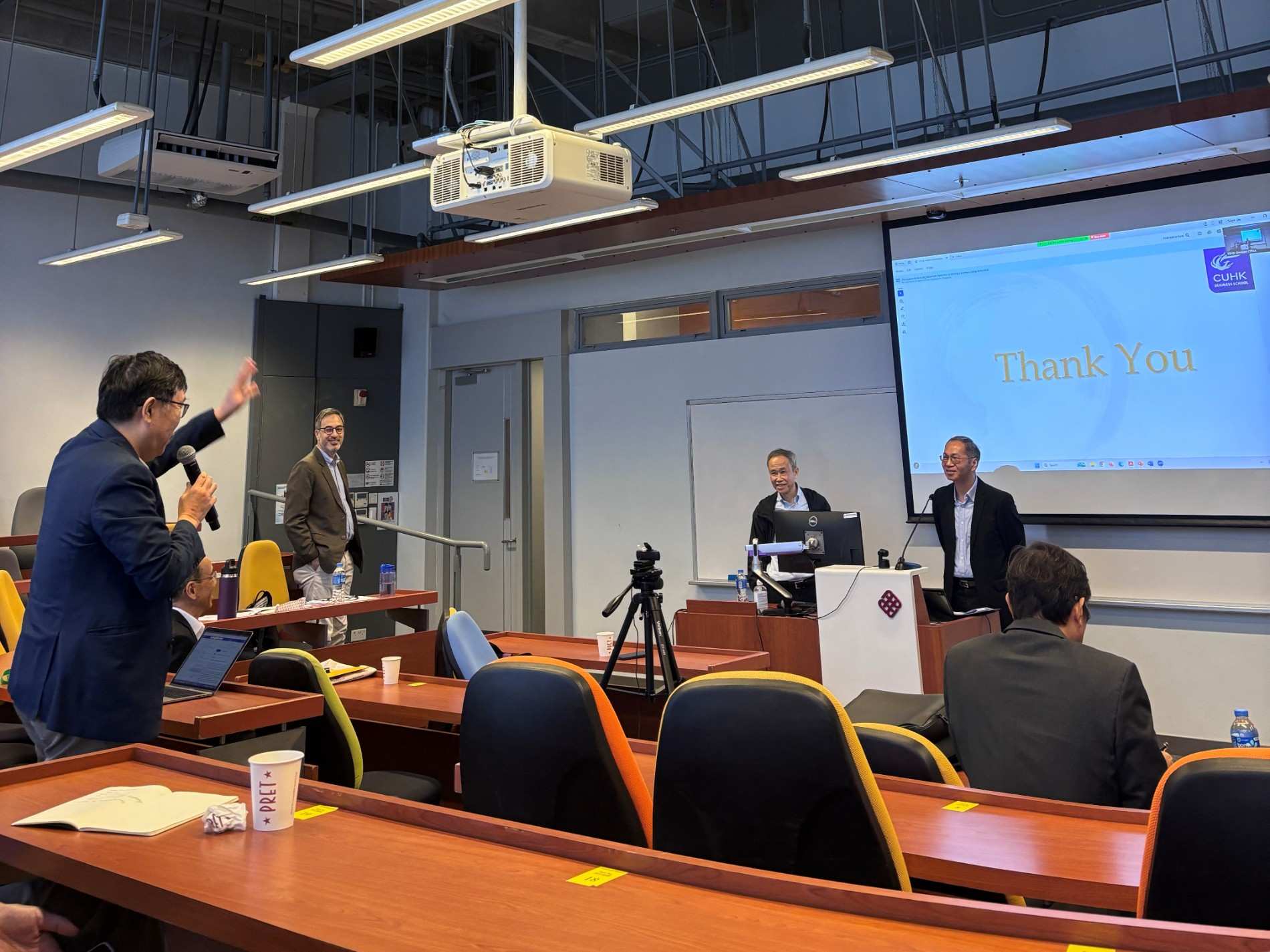
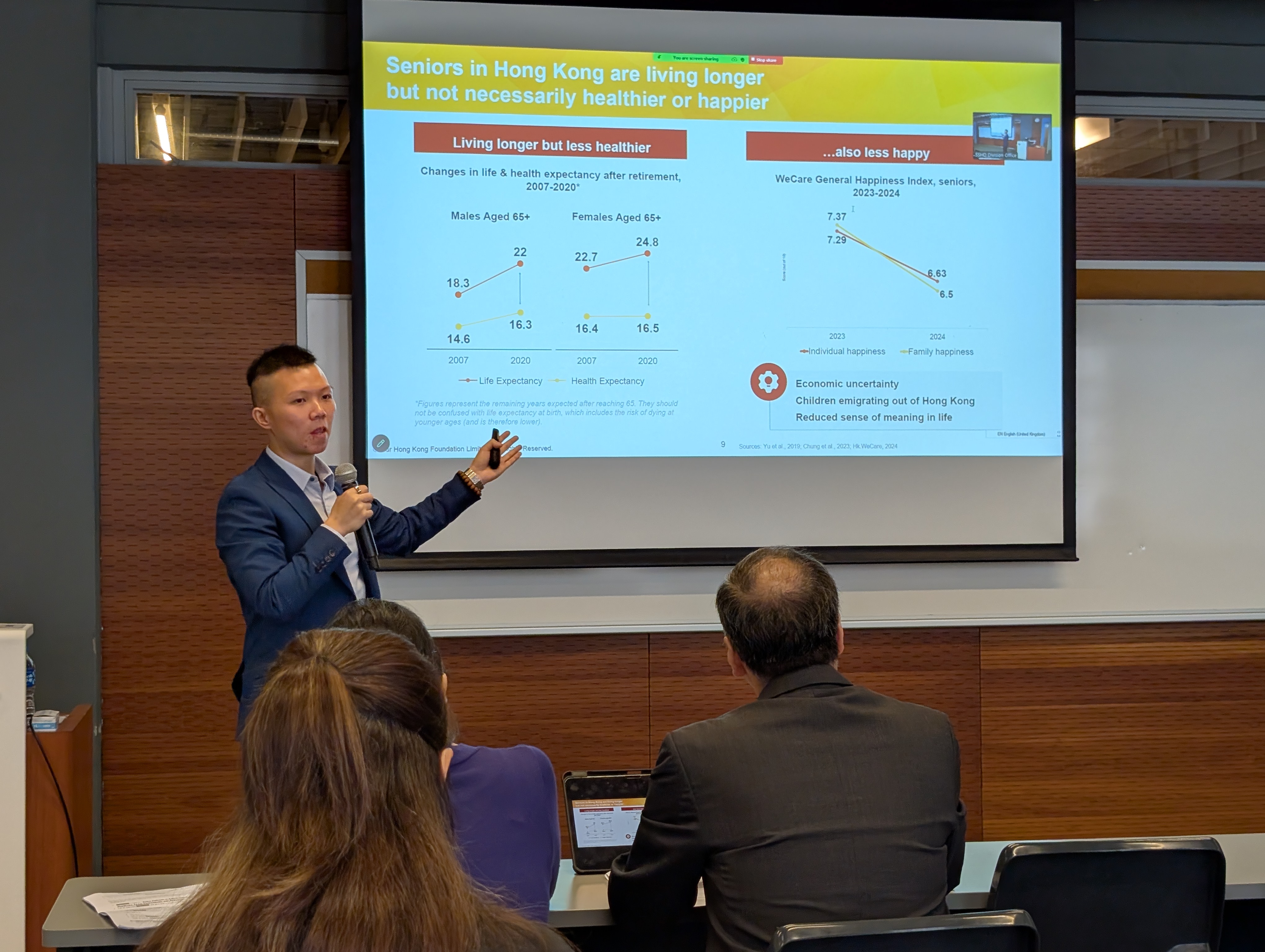
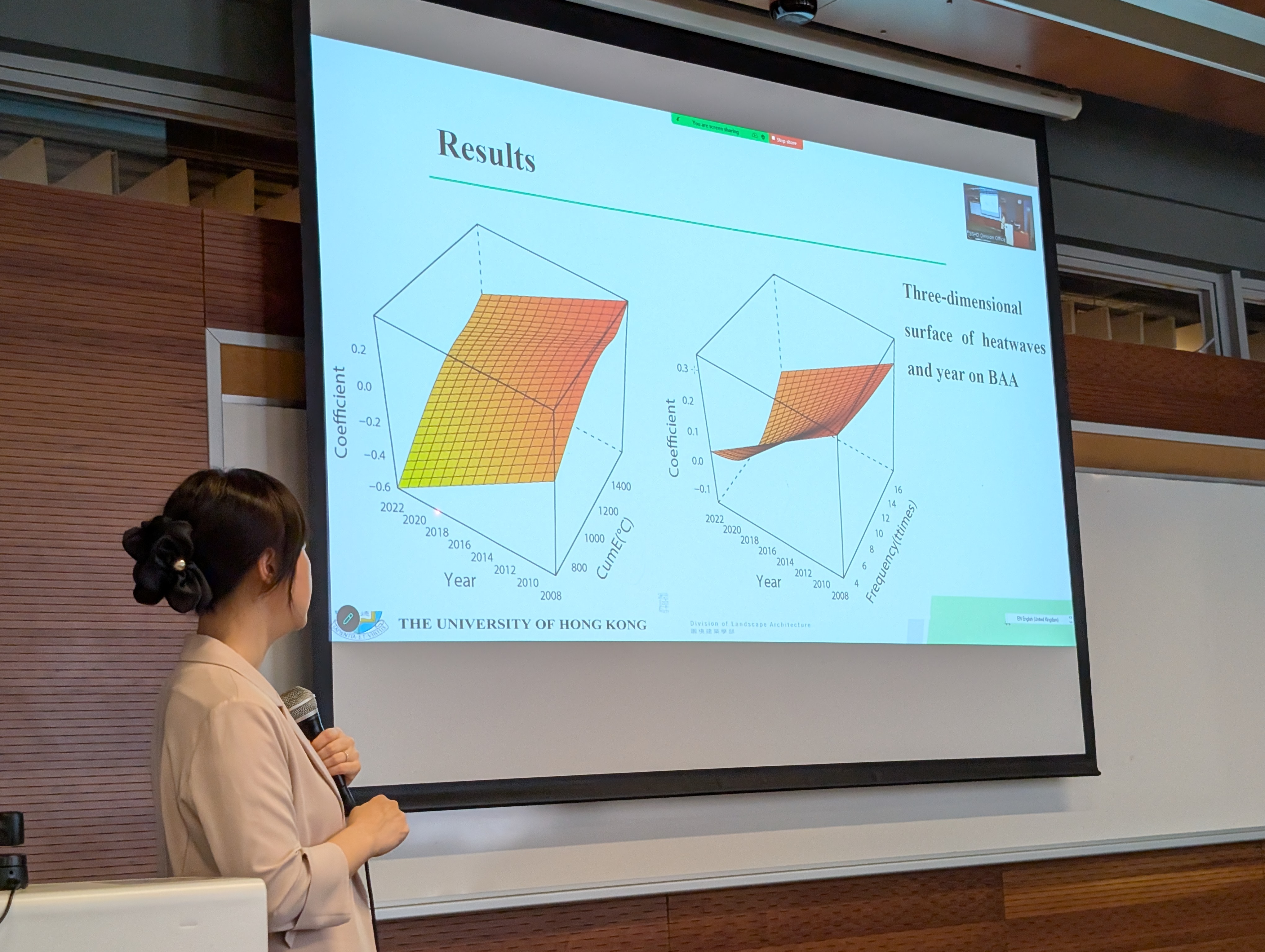
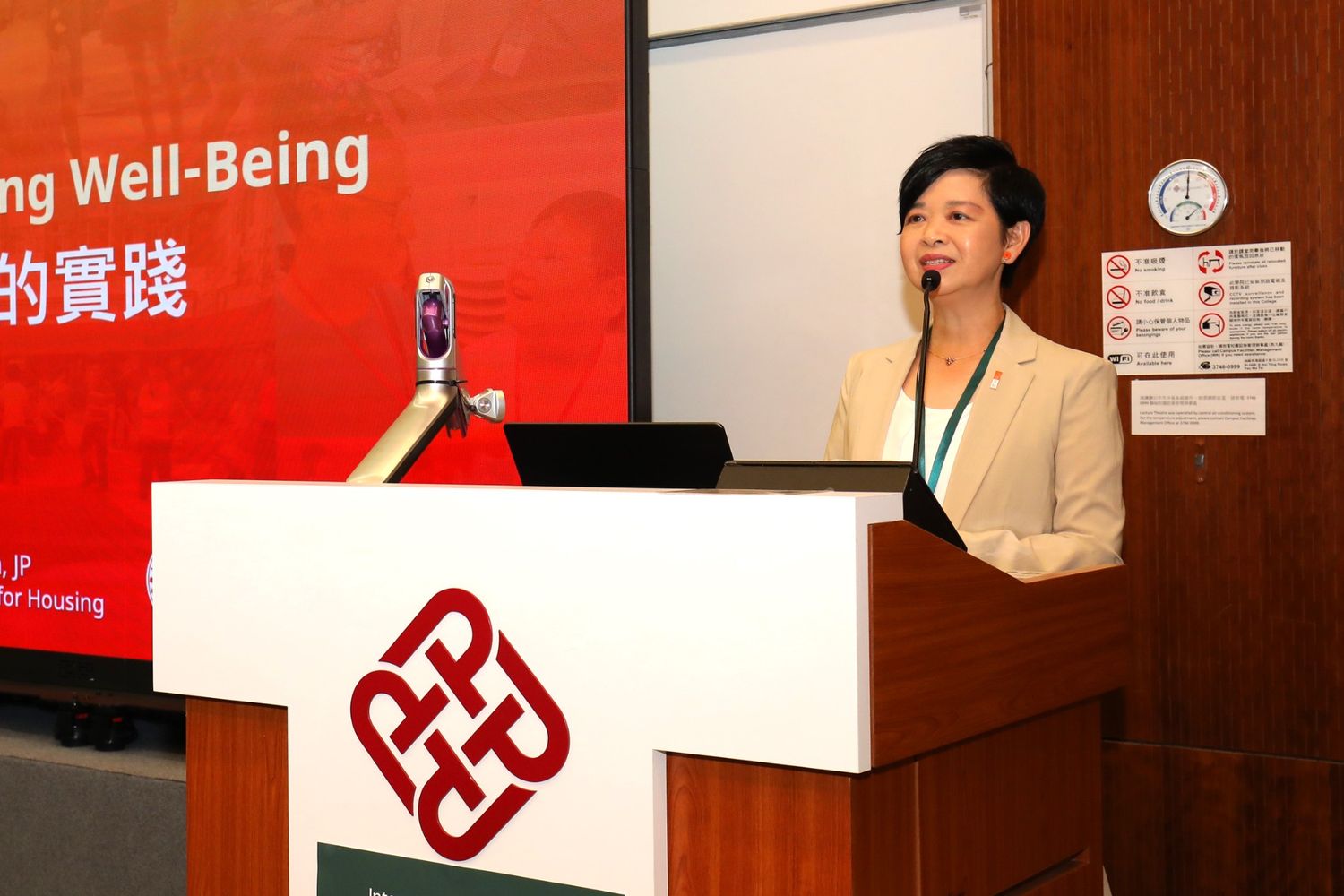
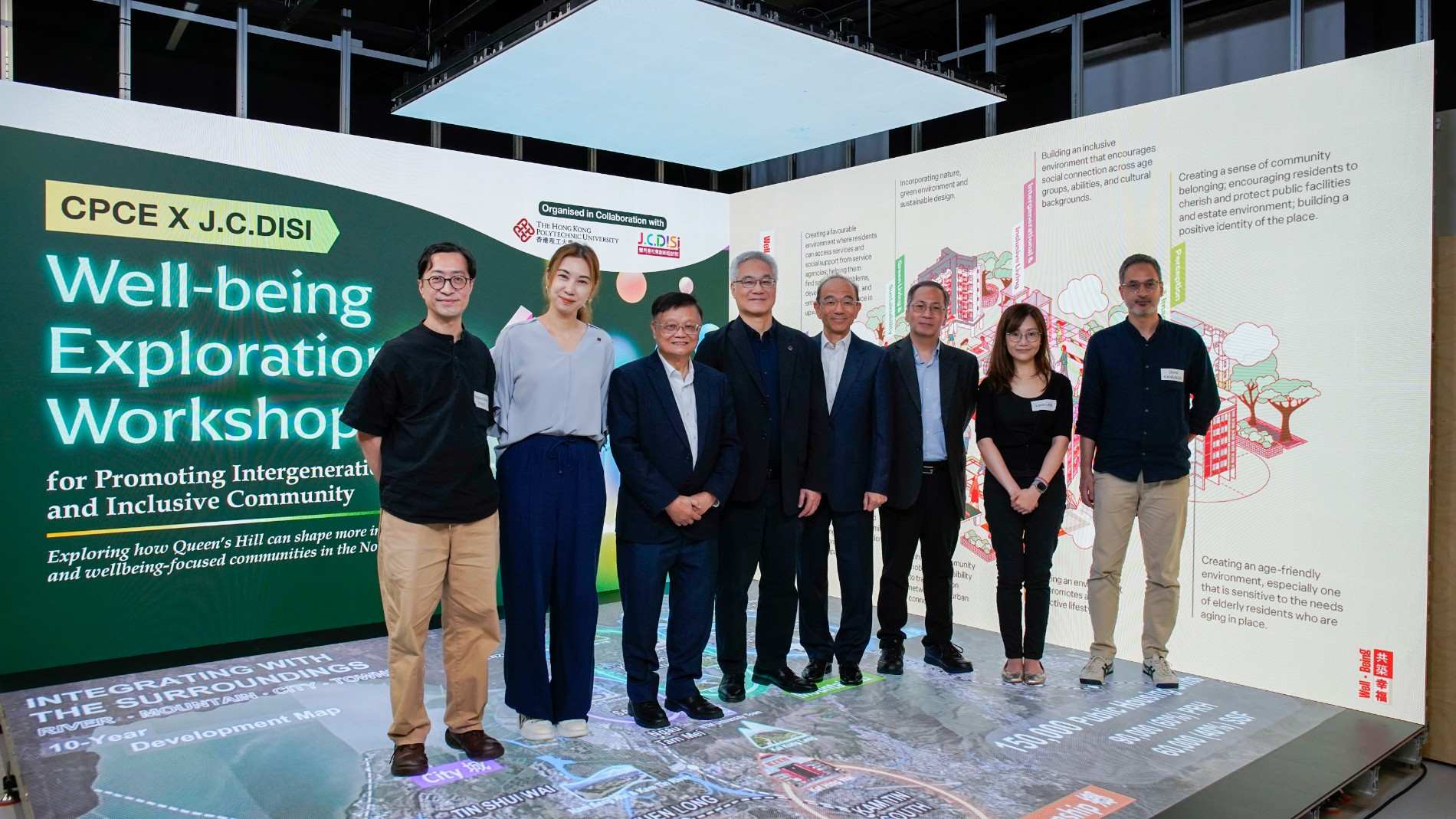
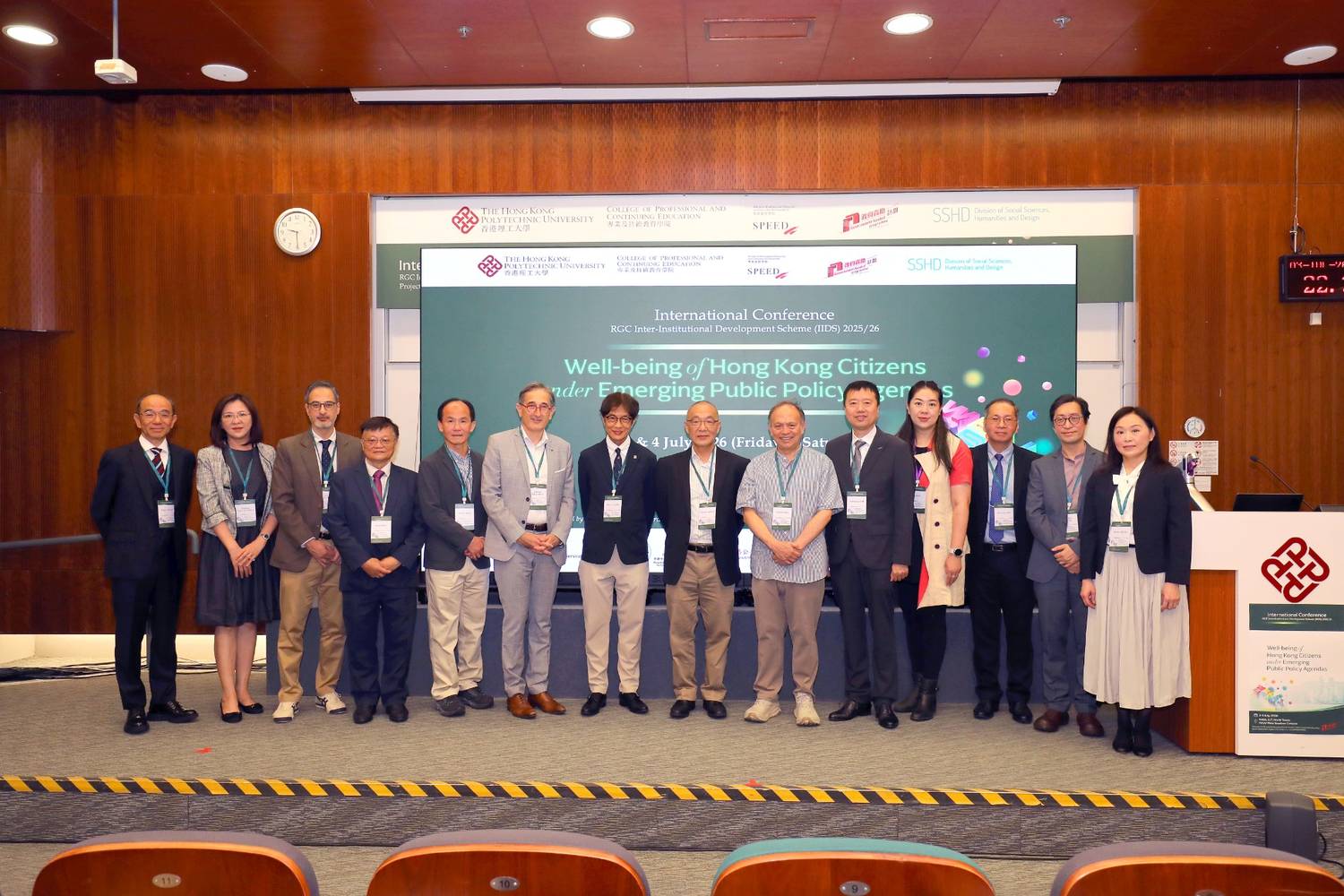
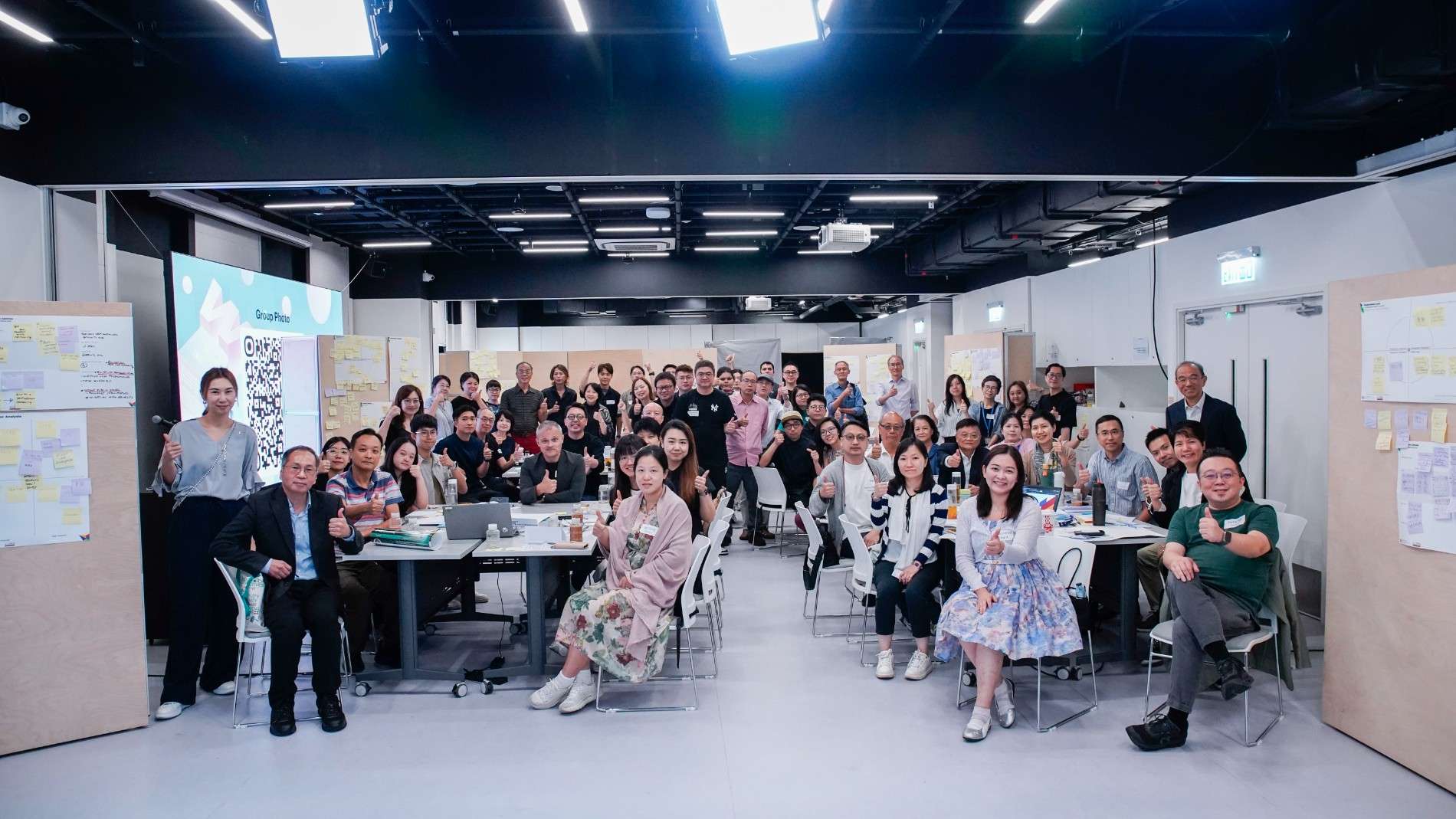
The IIDS Well-being Research Seminar 2: Policy Gaps in Promotion of Well-being in Hong Kong was successfully held on 23 May 2026 at the PolyU West Kowloon Campus. Bringing together over 180 participants in a hybrid format, the seminar featured Mr Dicky Chow, Assistant Research Director, Head of Healthcare & Social Innovation of Our Hong Kong Foundation and Prof Cui Guo, Assistant Professor, Department of Urban Planning and Design, The University of Hong Kong.
In his presentation, Mr Chow highlighted Hong Kong’s rapidly aging population, the growing strain on public resources, the widening gap between life expectancy and health expectancy, and the rising risks of chronic disease, loneliness, and mental health problems among seniors. To address these challenges, he advocated a “well-being beyond the clinic” approach that strengthens primary care, integrates healthcare and social services, expands community-based mental health support, promotes social prescribing and community connections, and supports aging in place through home modifications and gerontechnology, helping older adults stay healthy, independent, and connected while easing pressure on the healthcare system.
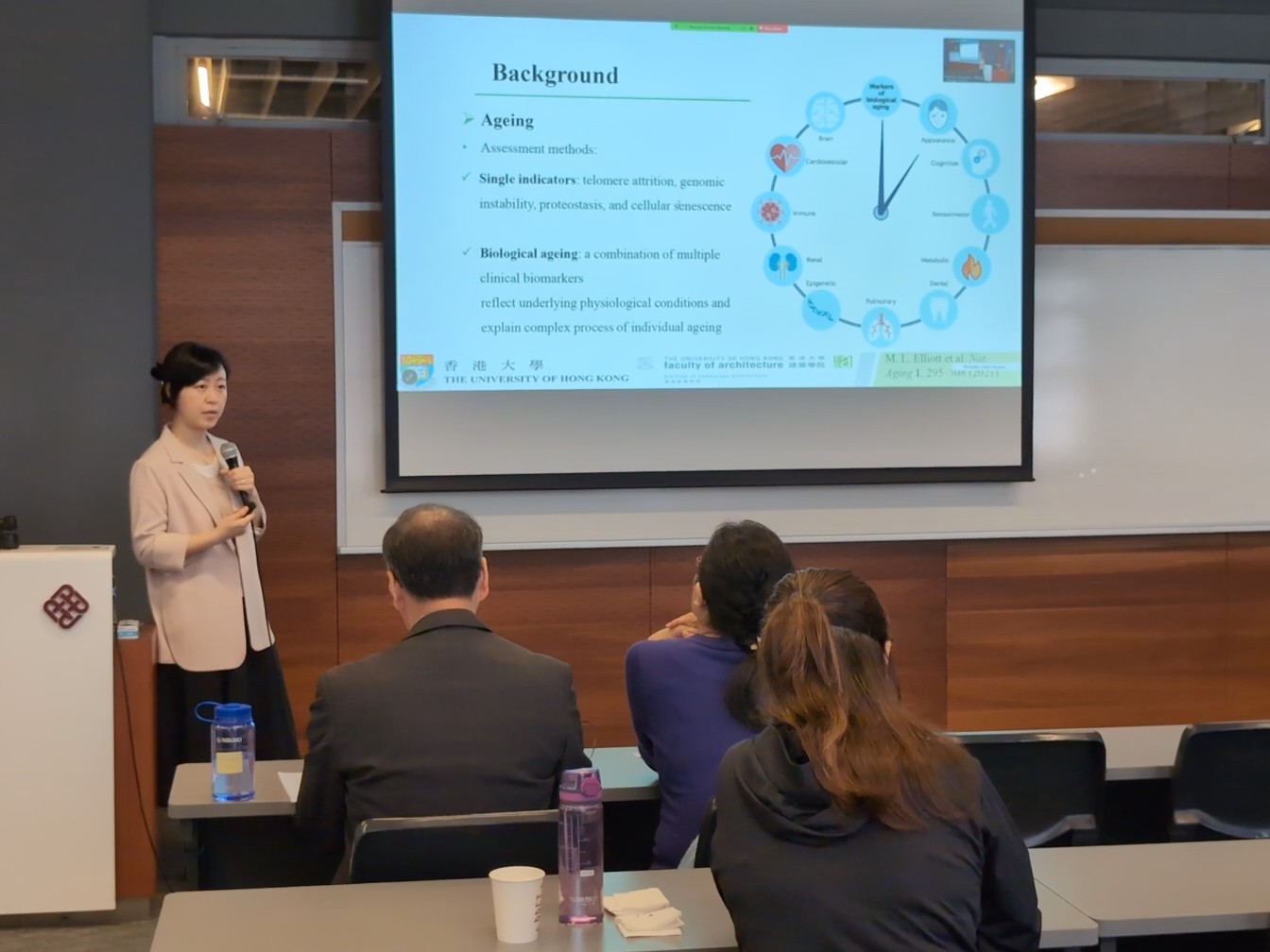
Prof Guo presented her research on the effects of air pollution, heatwaves, and urbanome on biological aging. Using data from adults in Hong Kong and Taiwan, Prof Guo and her team examined biological aging, measured through a combination of clinical biomarkers, and found that exposure to air pollution and heatwaves is associated with accelerated biological aging. She also introduced the concept of the “urbanome” – a framework encompassing the various characteristics of the urban environment. Her research suggests that air pollution is the strongest environmental contributor to aging, while access to green and blue spaces help slow the aging process. Additionally, moving to a less favourable environment may accelerate biological aging, whereas short-term benefits from moving to a better environment are less evident.
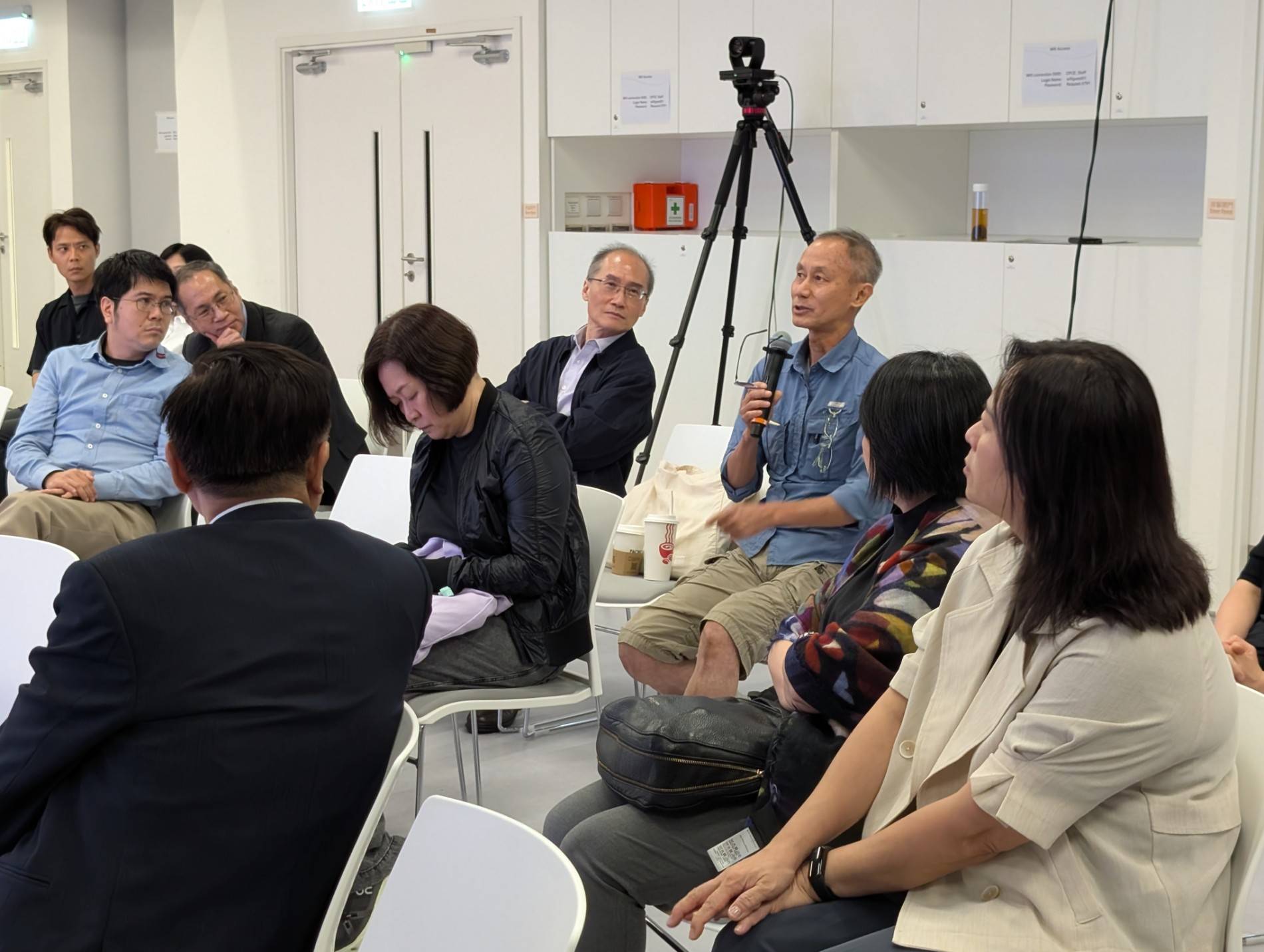
During the Q&A session, Mr Chow elaborated on how property managers and NGOs can better collaborate, and pointed out the potential social stigma associated with elderly facilities. He also shared a key finding from his research that many retirees prioritise rest, leisure, and enjoying life, highlighting the importance of respecting individual lifestyle preferences while ensuring support is available when needed.
When asked about the implications of her research on public policy and urban design, Prof Guo emphasised the importance of creating greener environments. She also noted that the Greater Bay Area may face greater heat-related risk than Hong Kong, and a more detailed risk map is needed to identify the safest and riskiest areas.
Overall, the research seminar received overwhelmingly positive feedback from the attendees, with many praising the quality of the content and the organisation of the event. The project team extends its gratitude to all speakers, supporting partners and journals, and the participants for making the seminar a success. Plans are already underway to build upon this momentum for future seminars and workshops.