


.jpg?Status=Master&sfvrsn=27ad26c2_4)
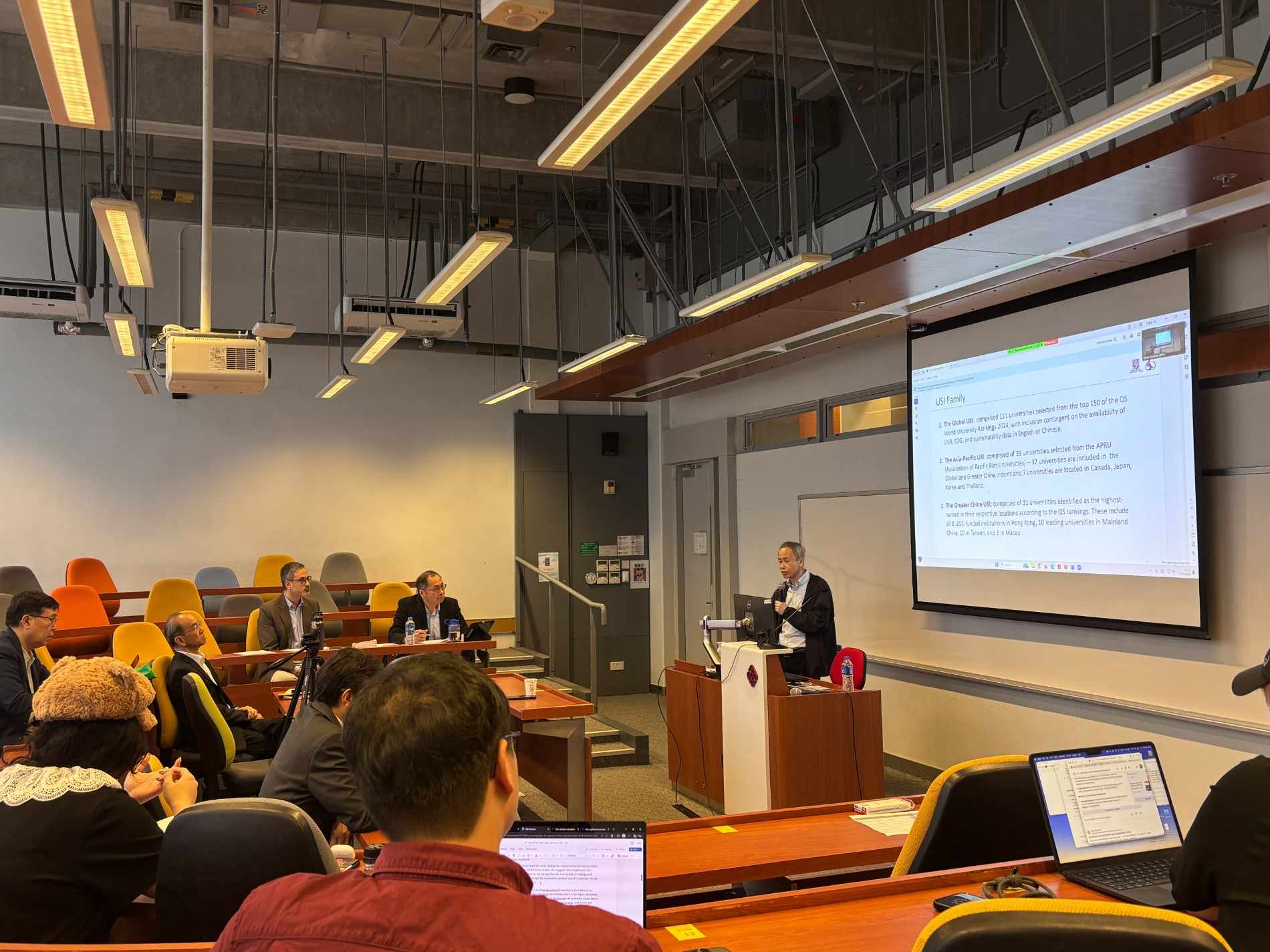
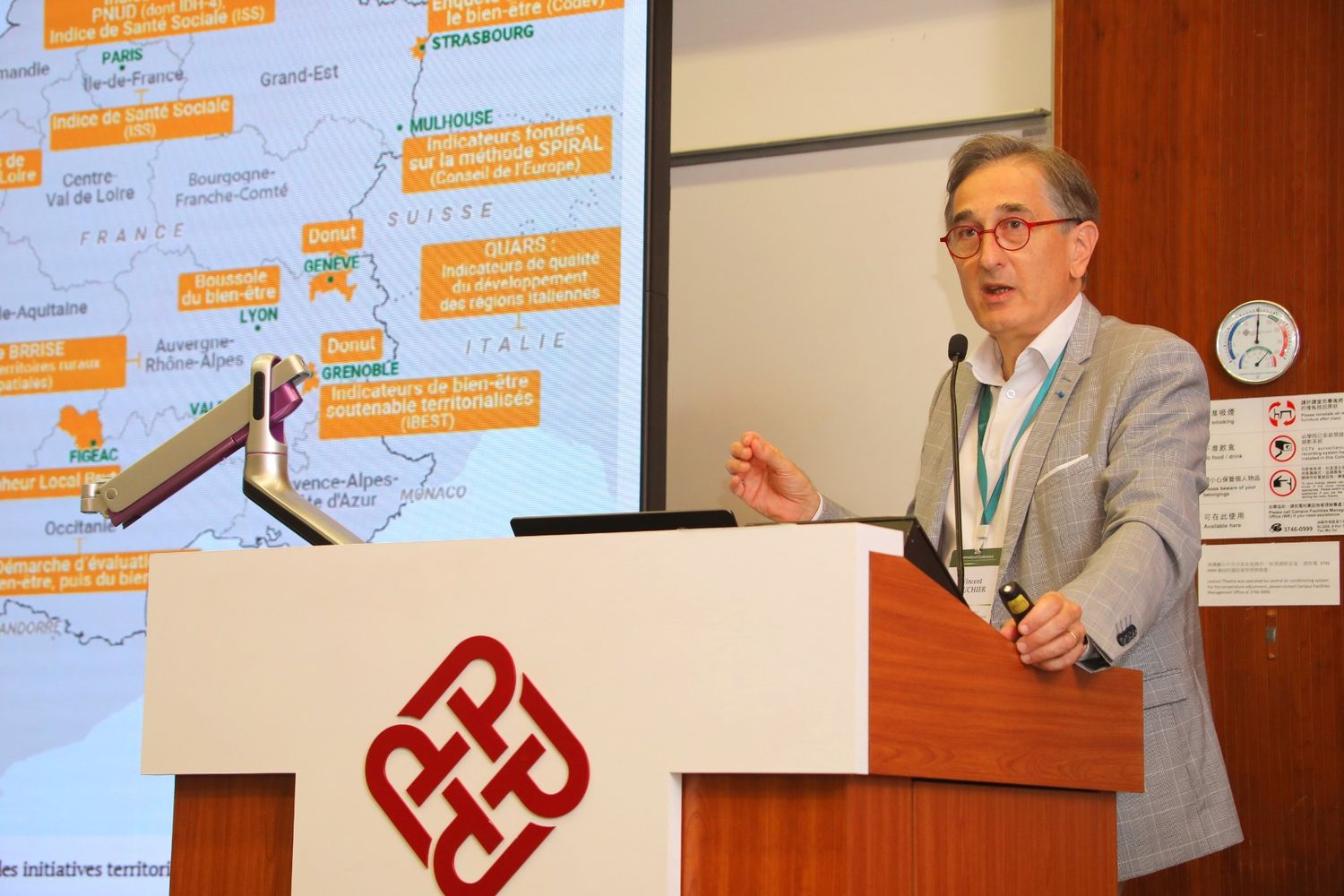
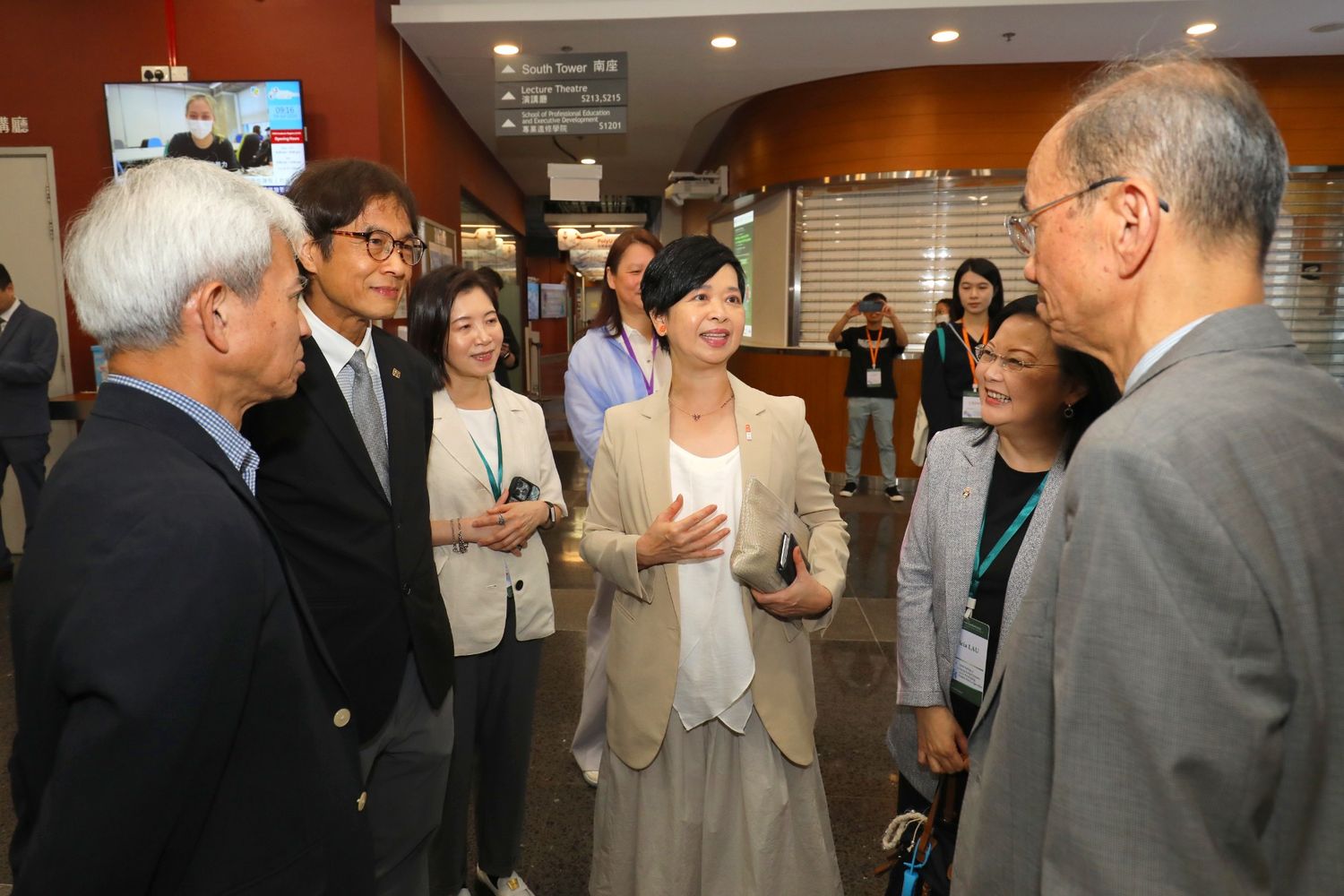
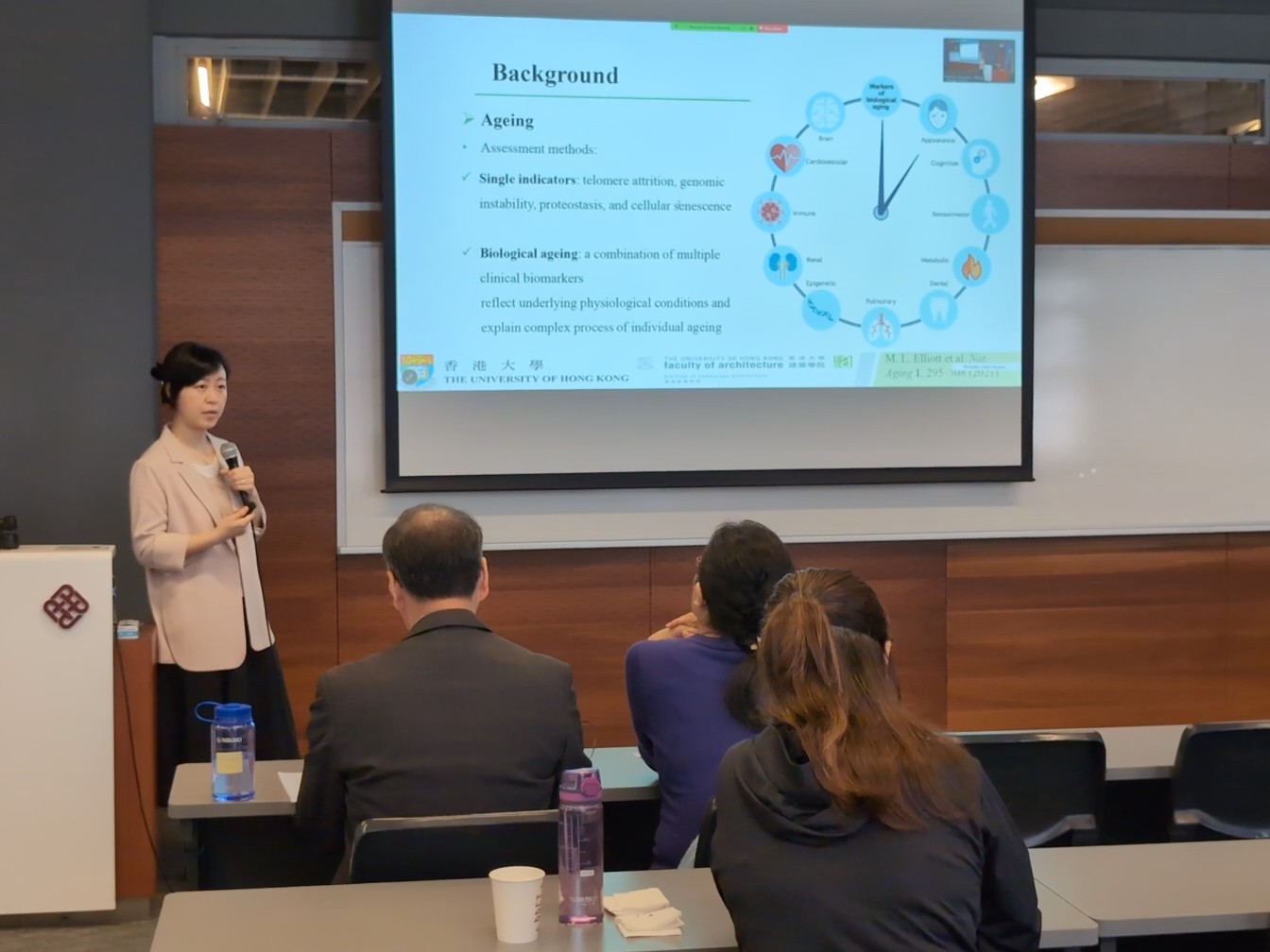
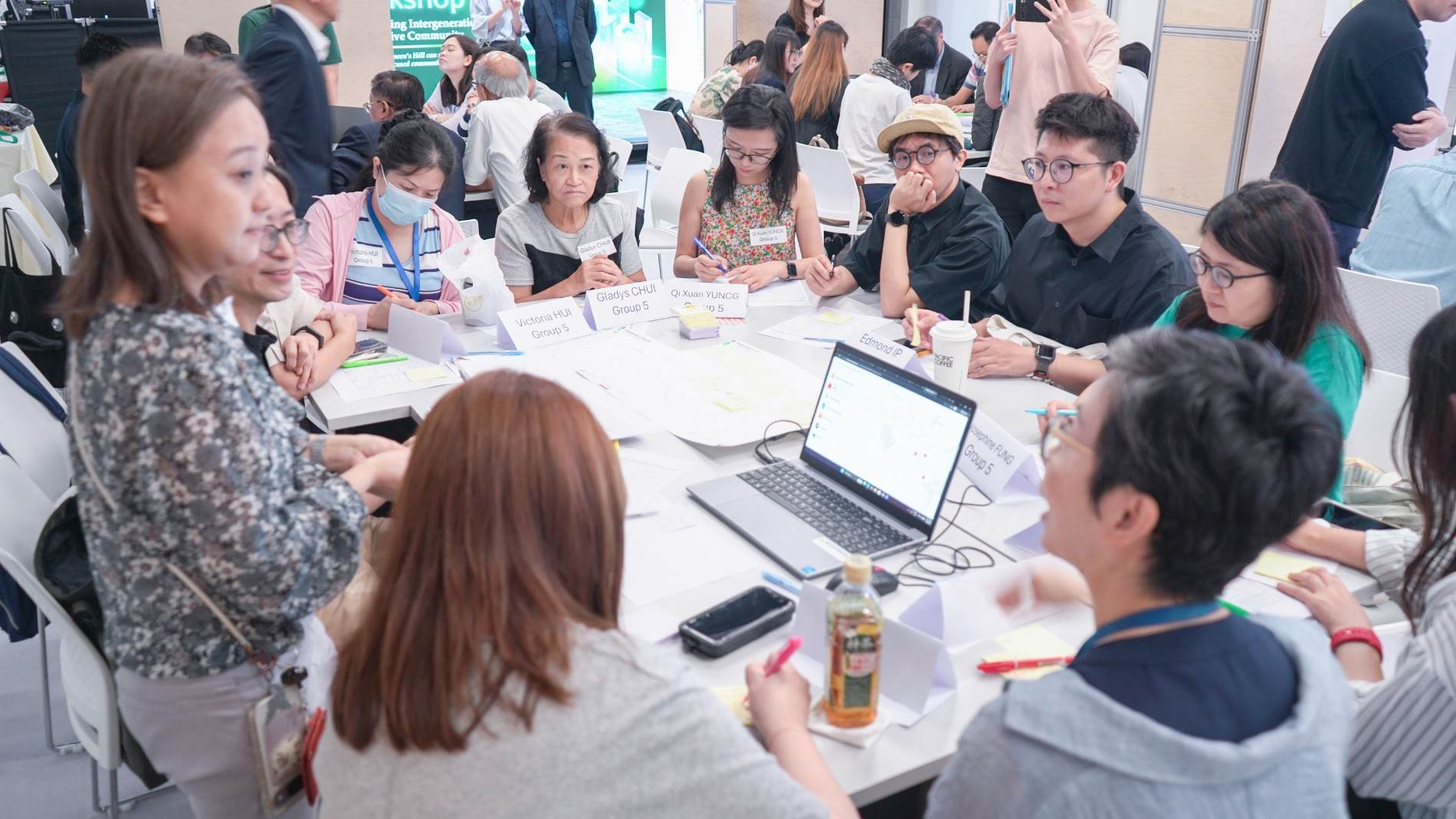
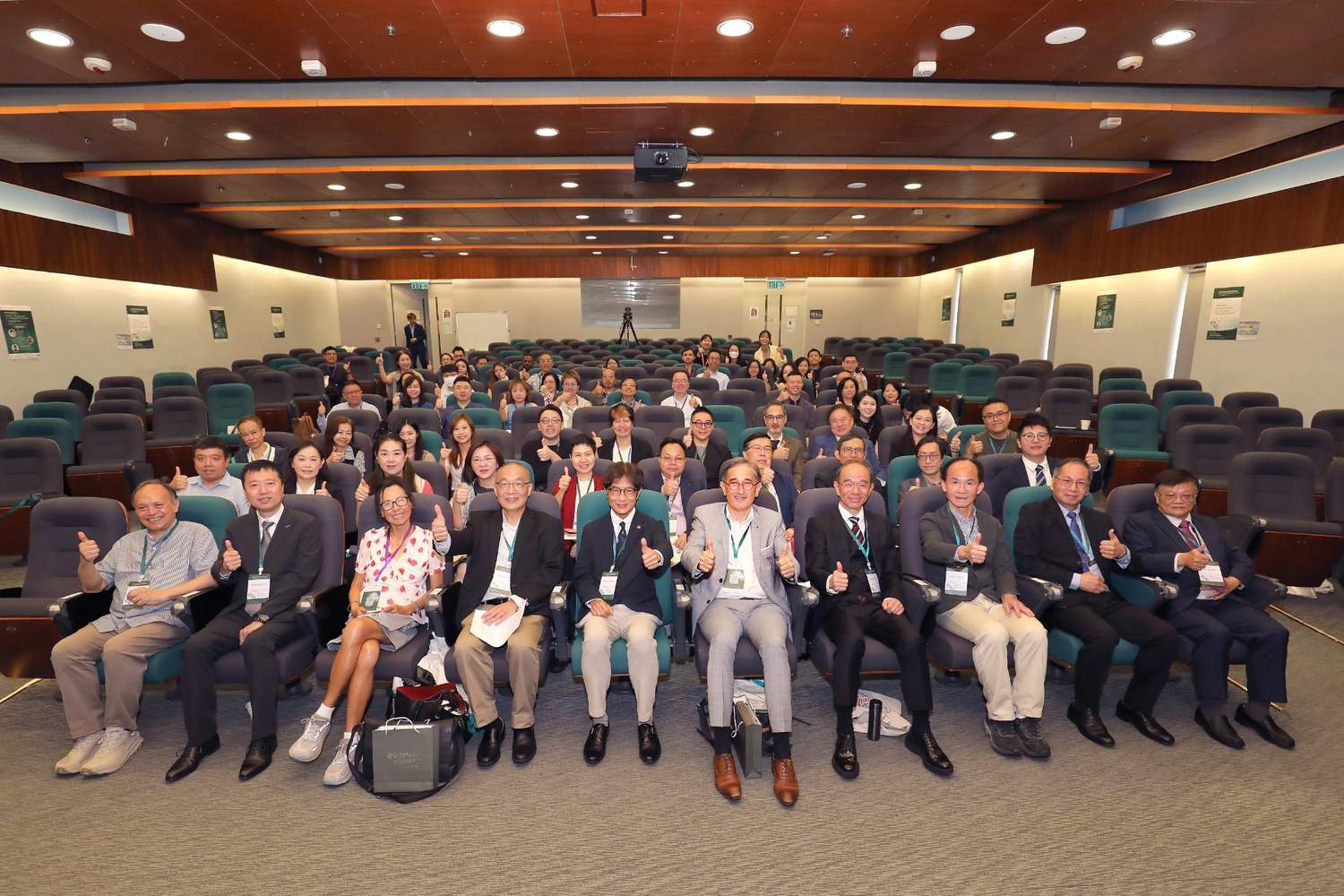
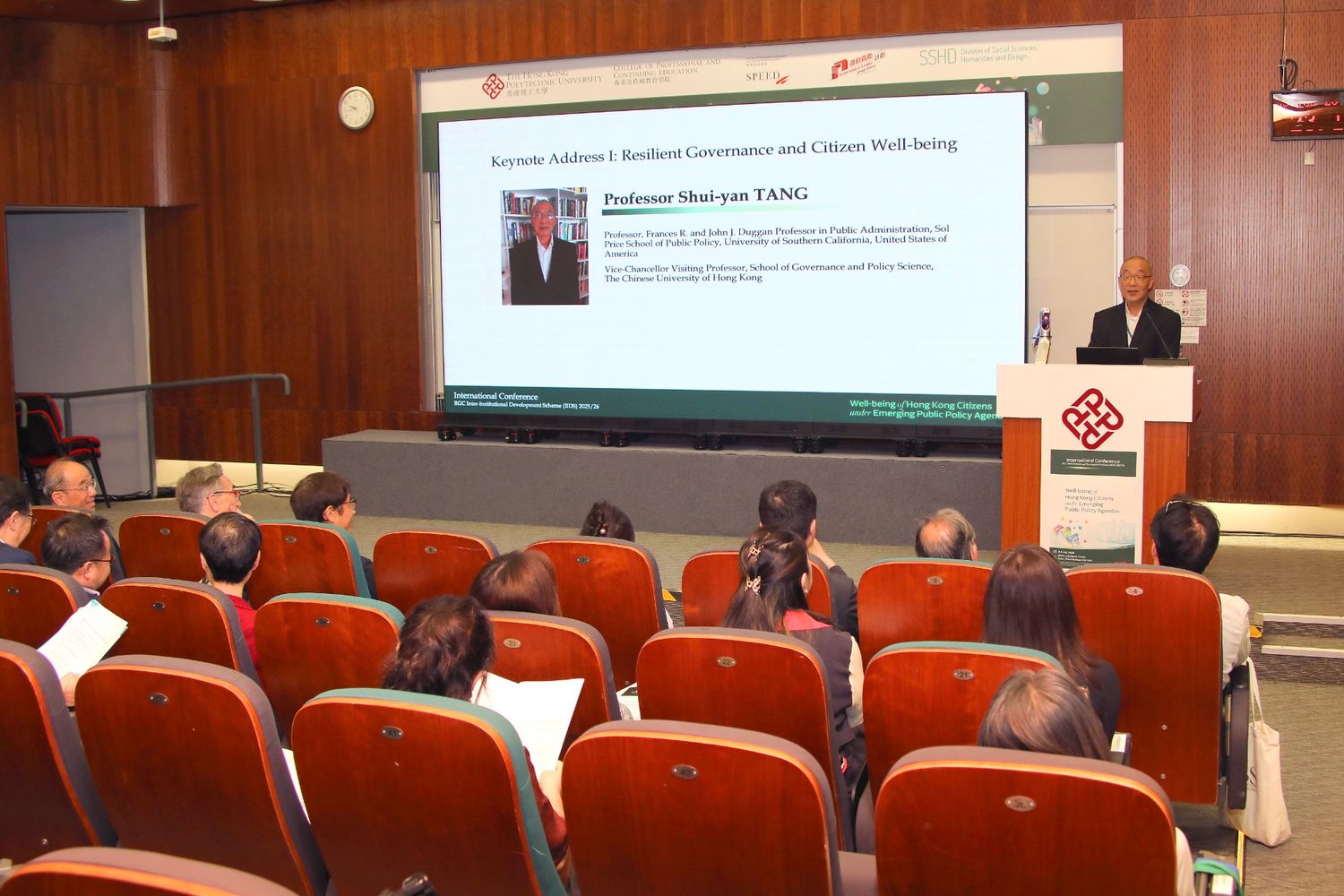
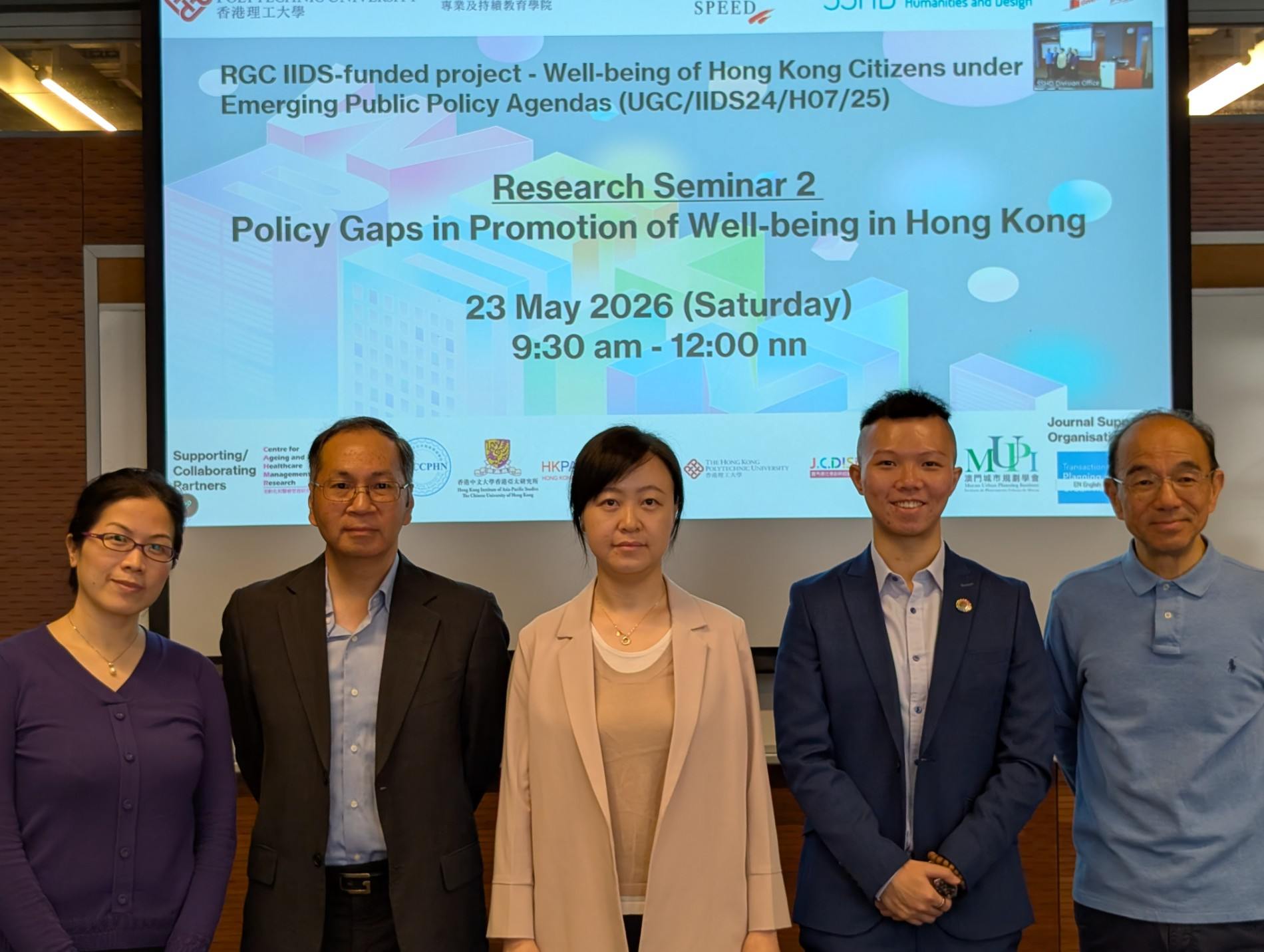
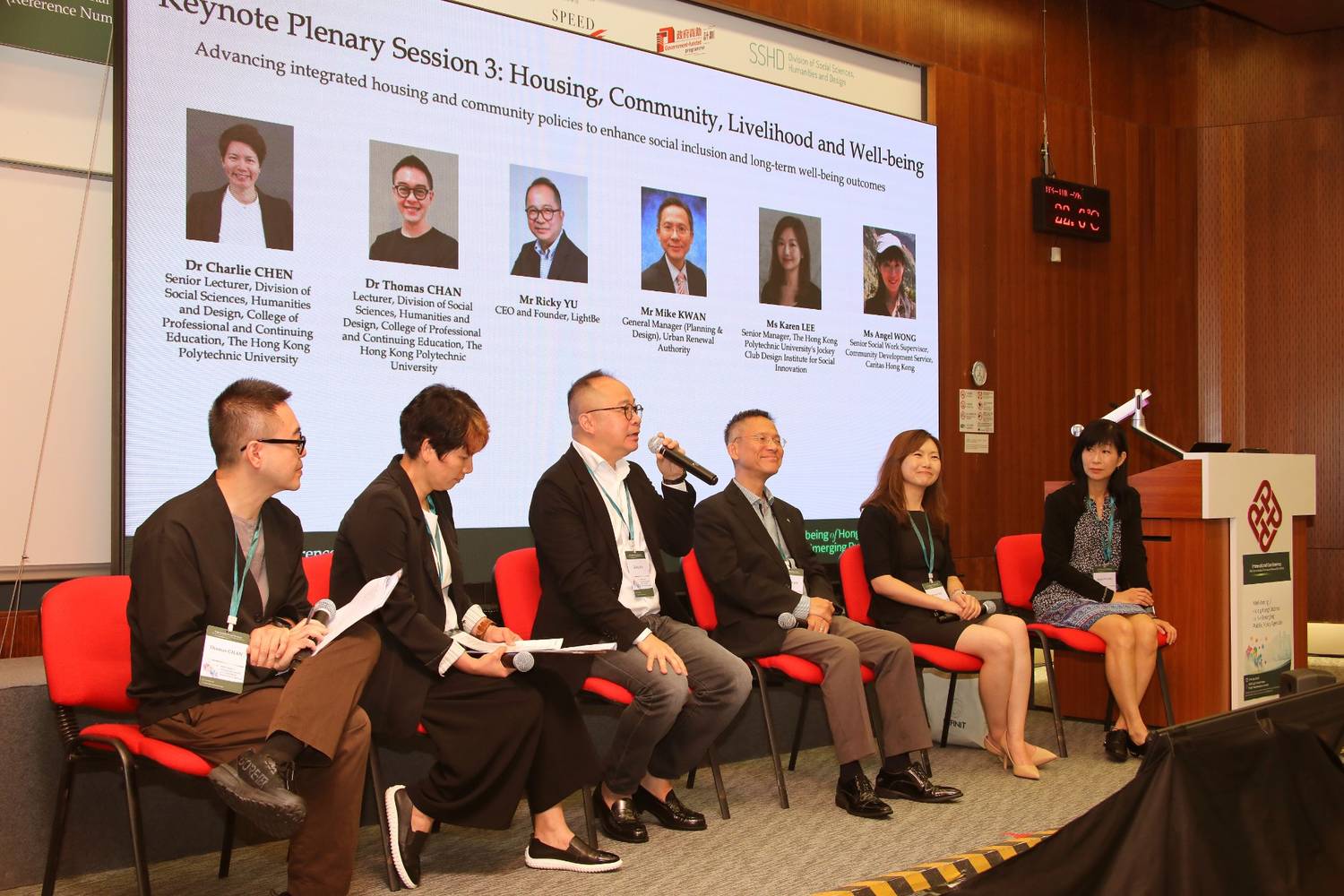
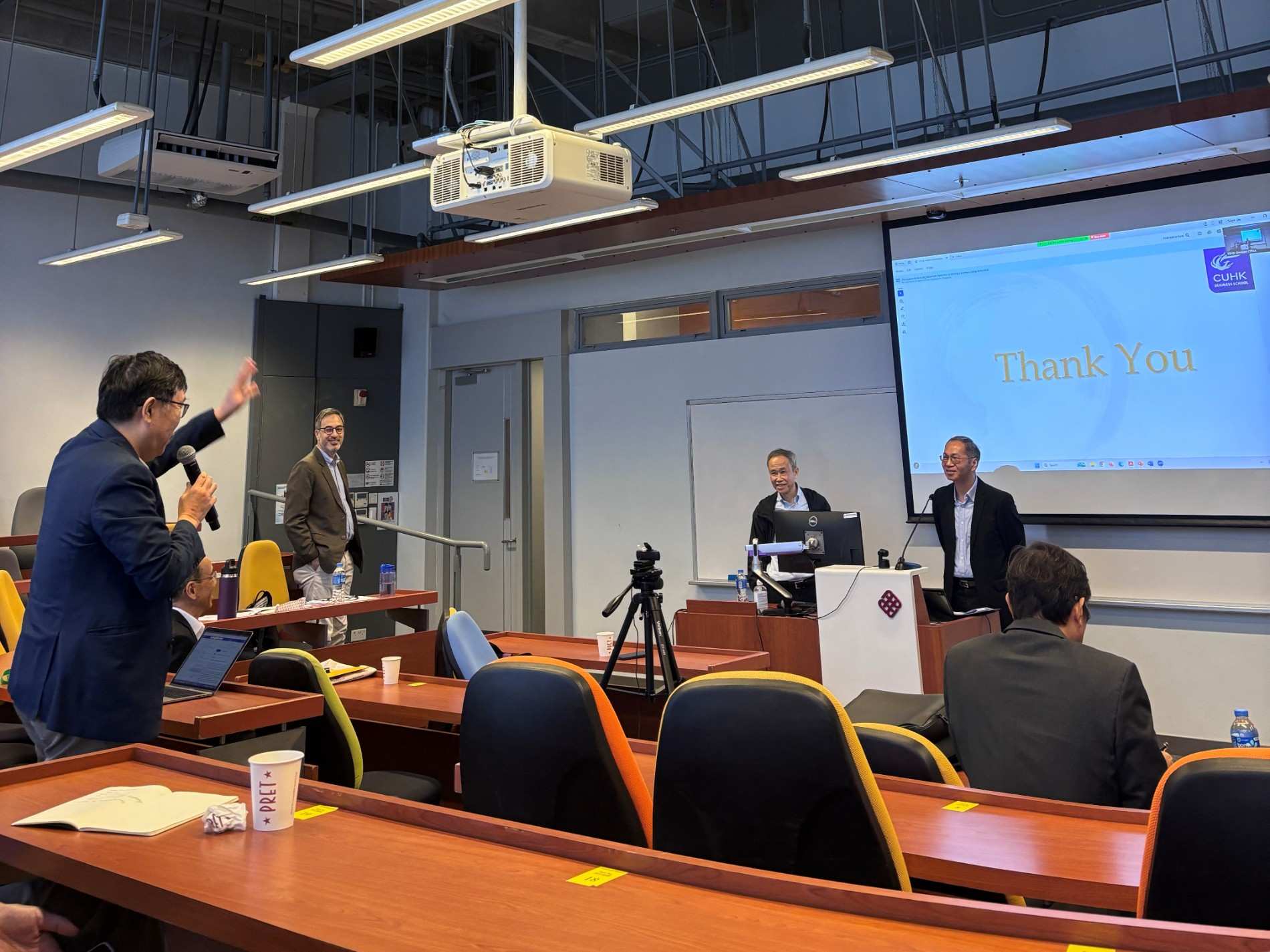
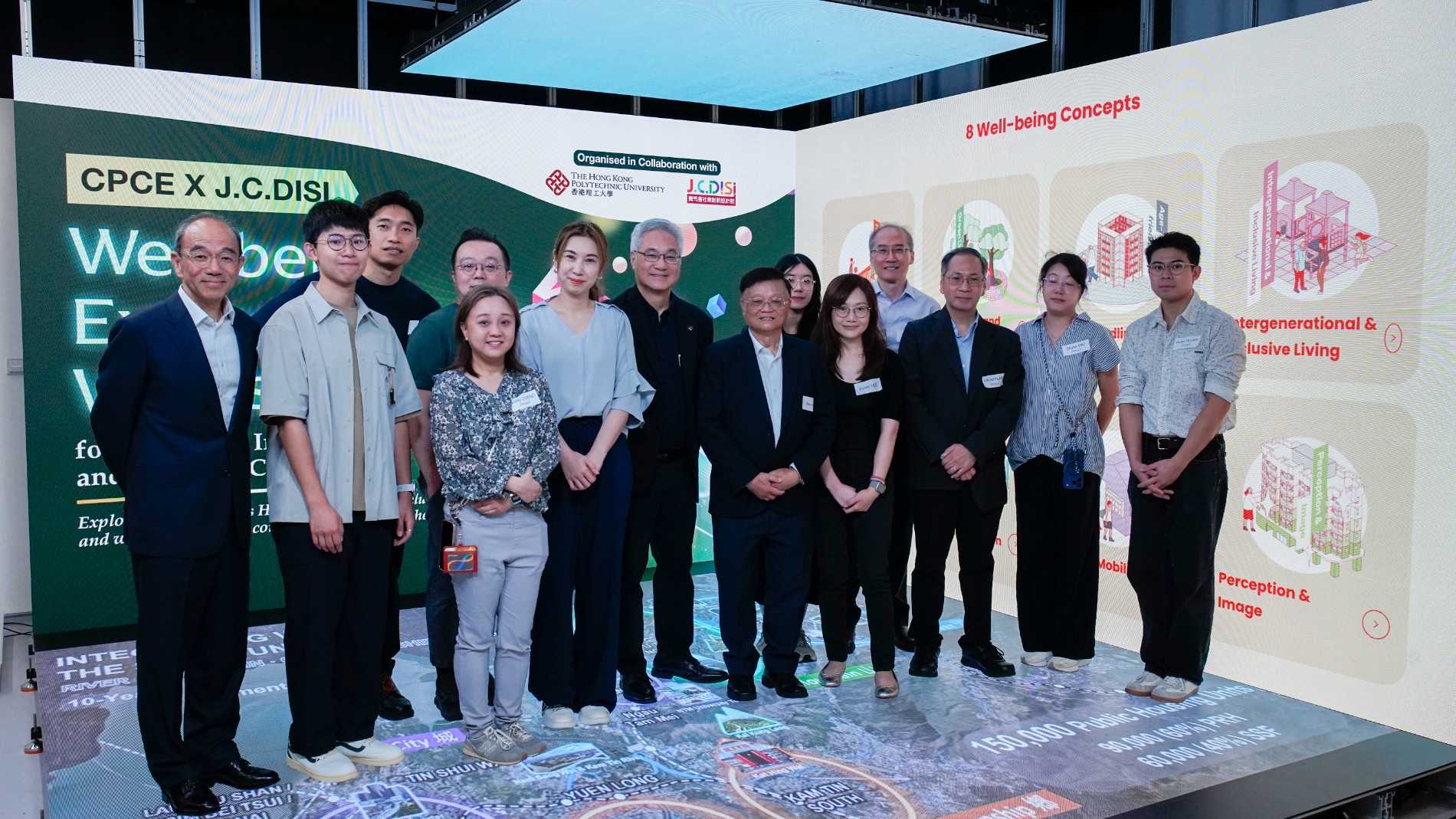
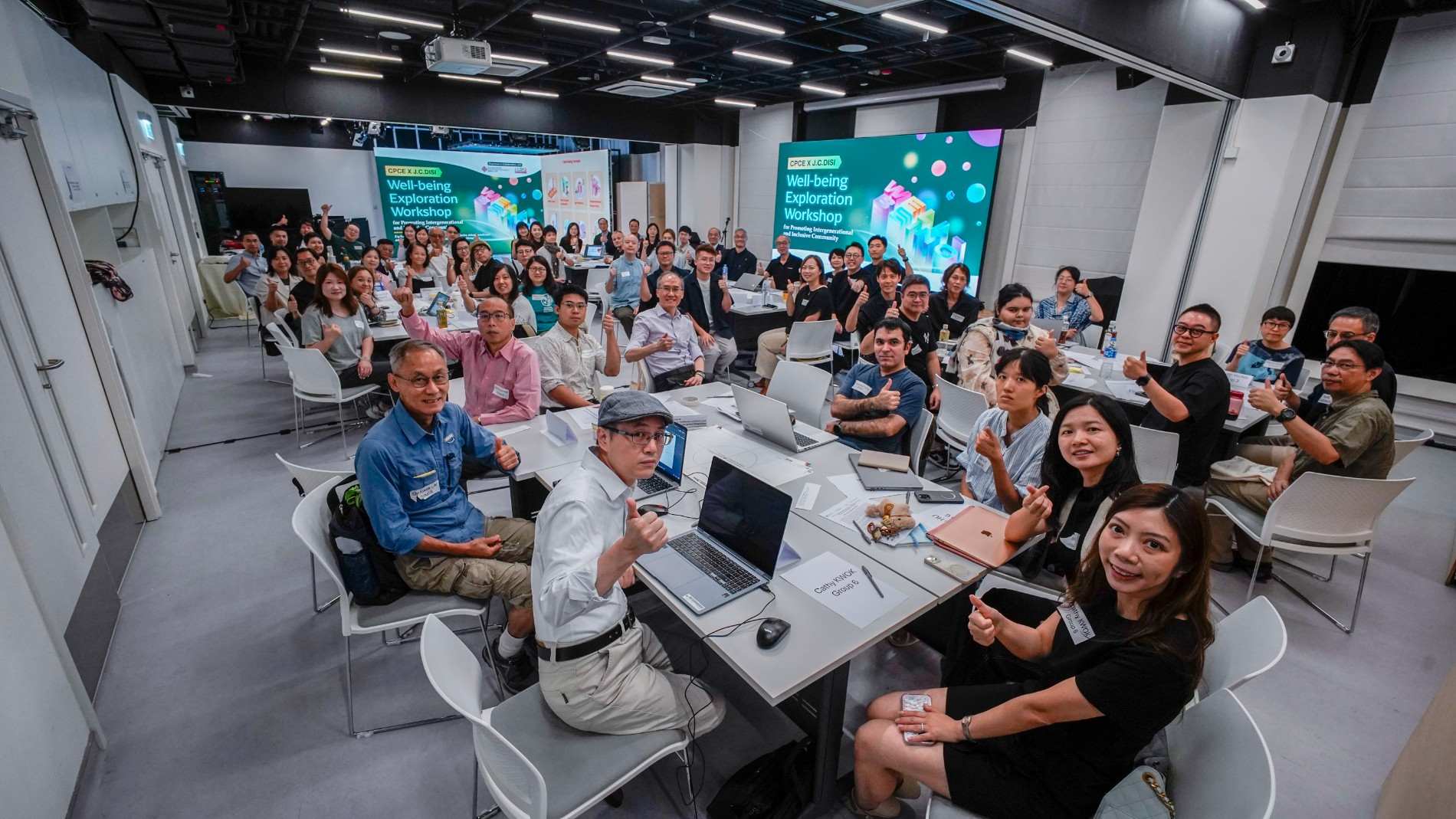
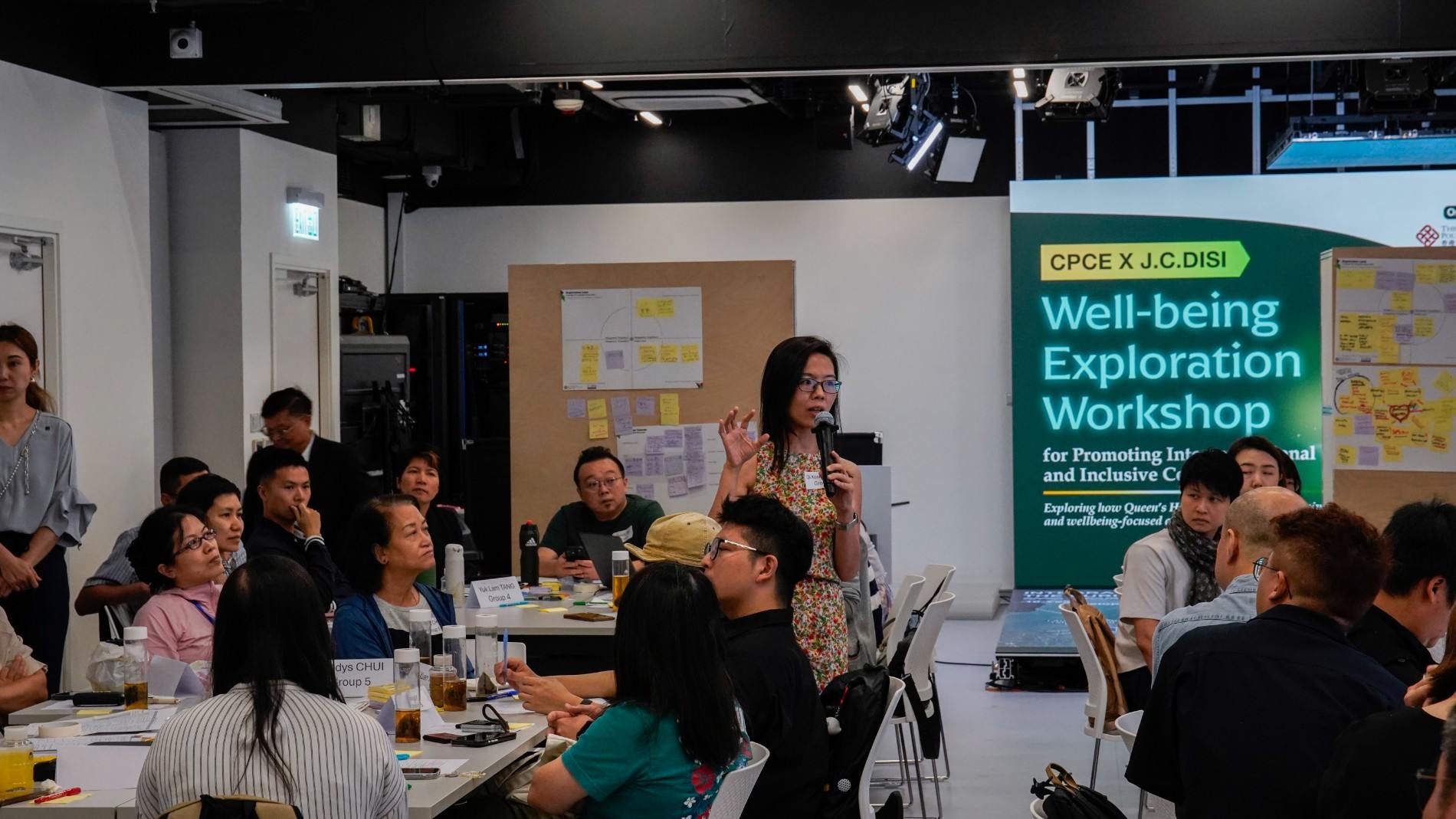
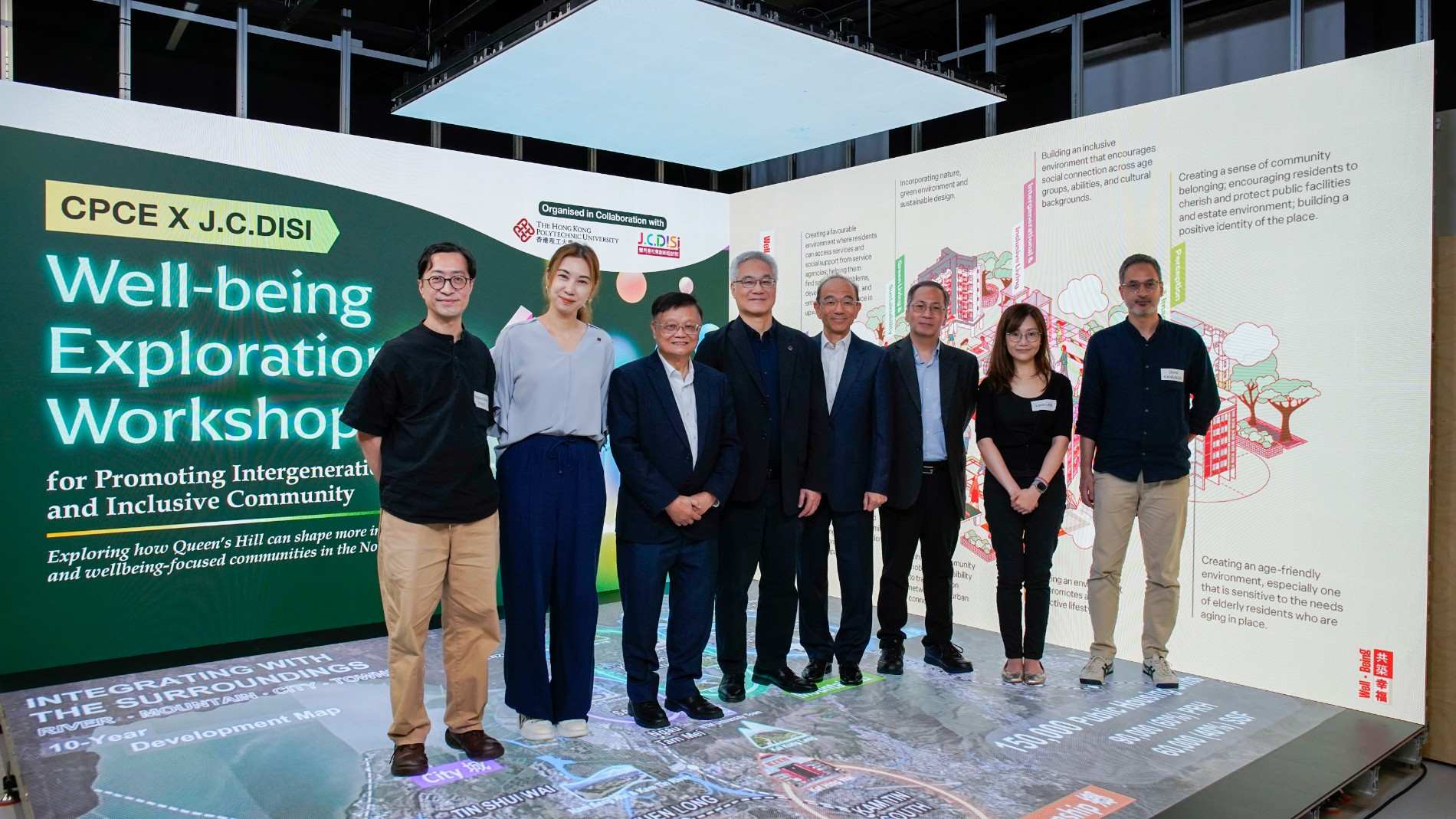
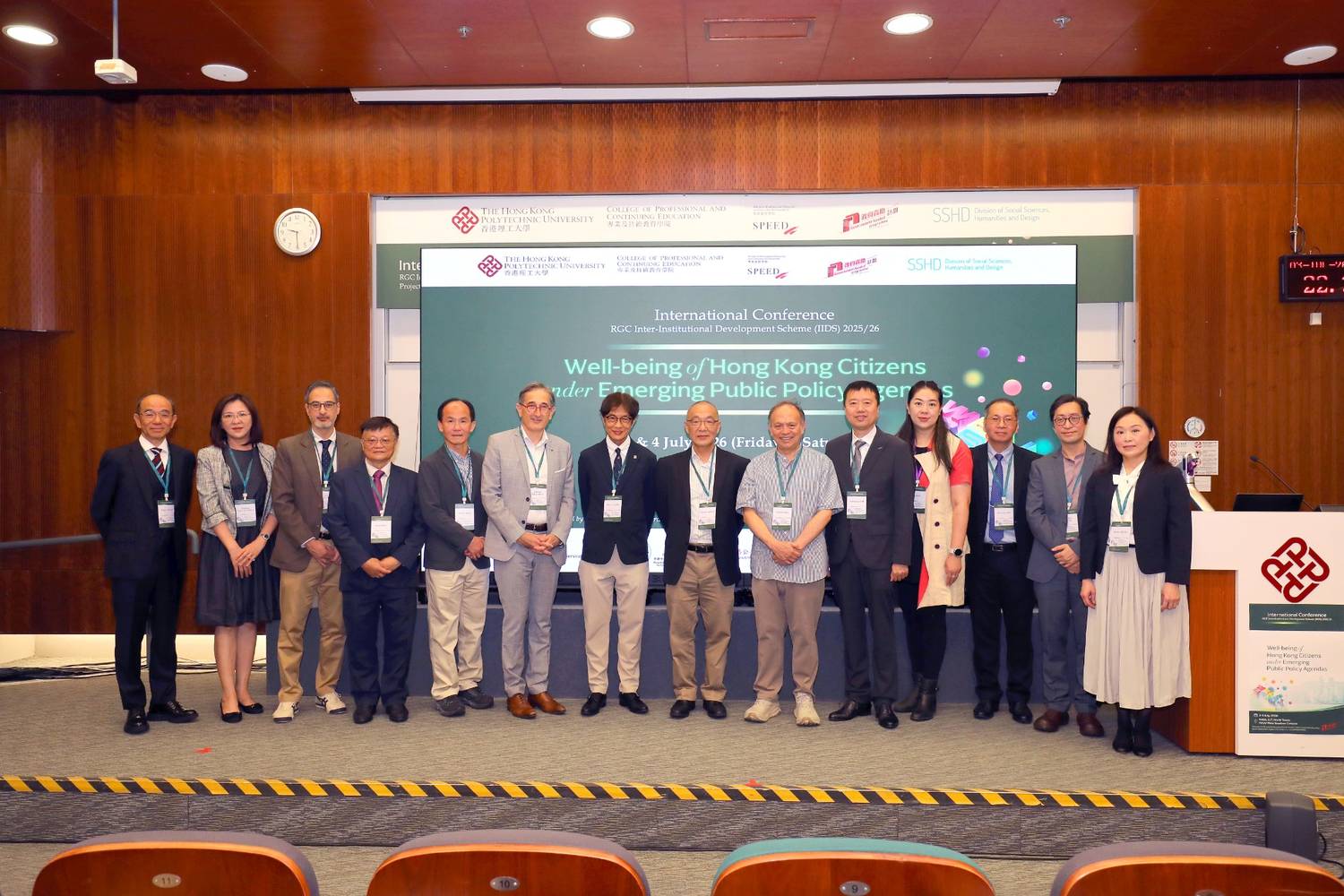
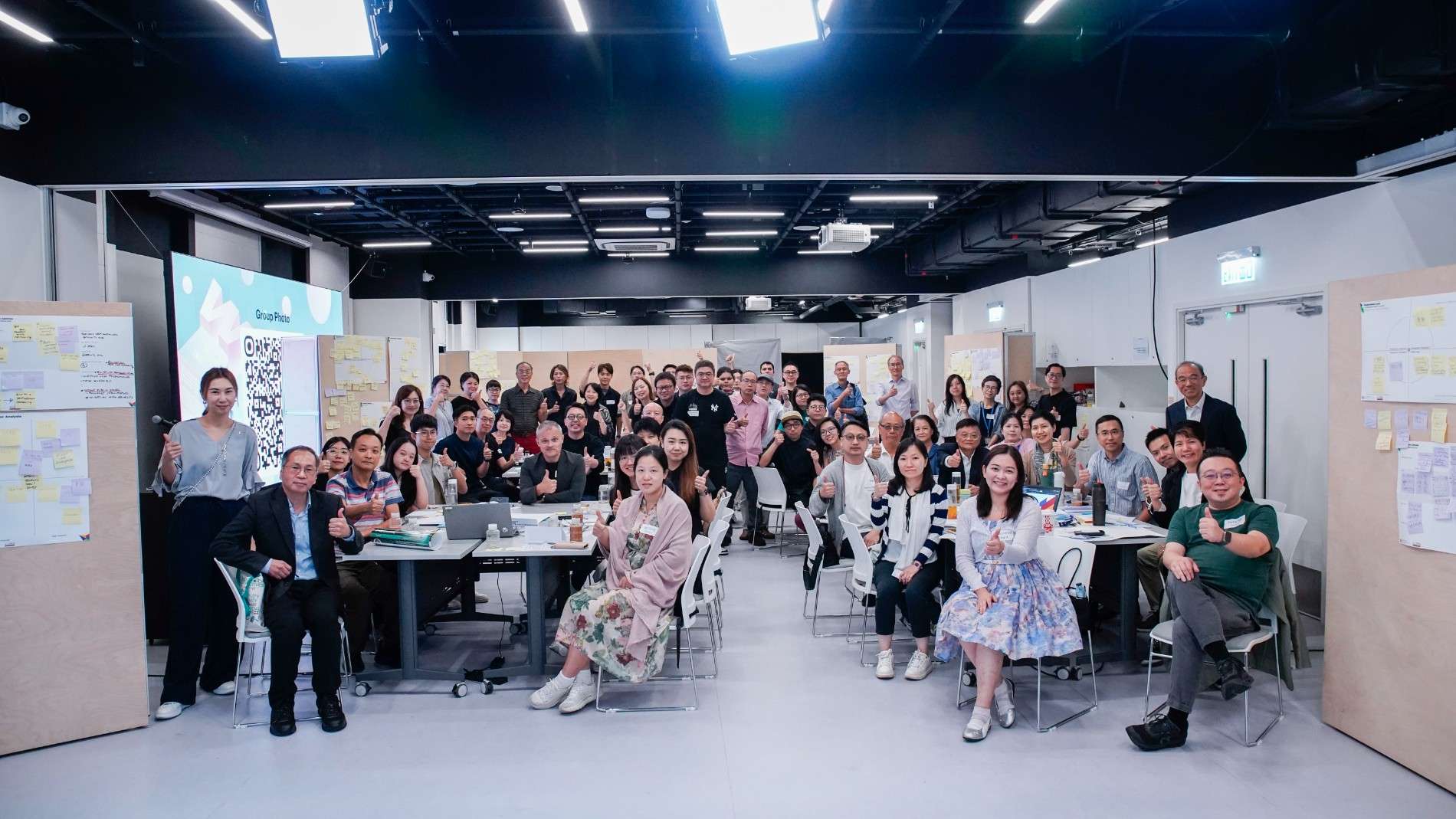
The CPCE X J.C.DISI Well-being Exploration Workshop for Promoting Intergenerational and Inclusive Community was successfully conducted on 8 September 2026. The event brought together 45 academics, professionals, NGO practitioners, and citizens to explore how user-centred spatial design, sustainable community programmes and integrated infrastructure can foster meaningful interactions across generations, strengthen social connectedness, promote inclusion for diverse population groups, and enhance health and wellbeing outcomes.
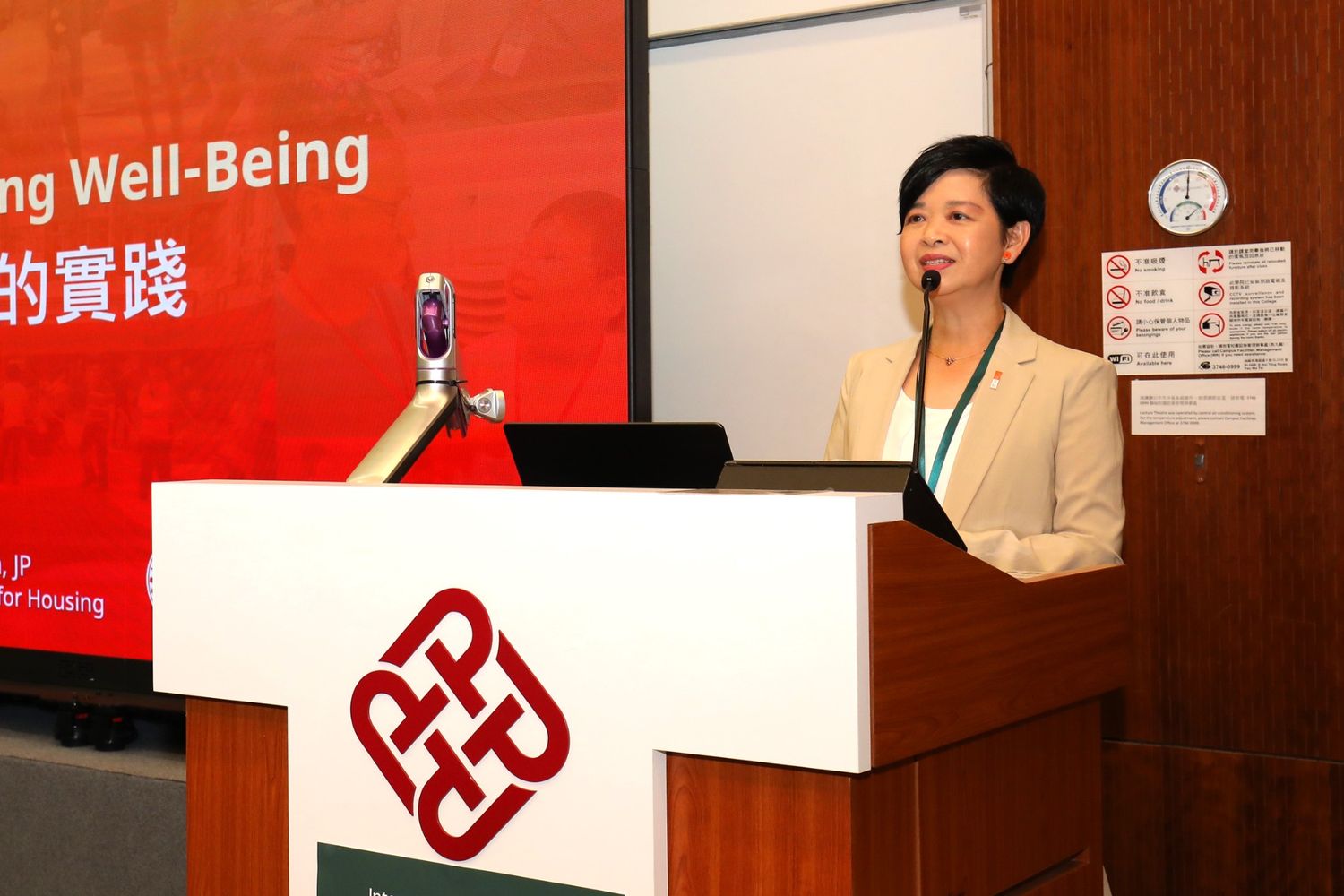
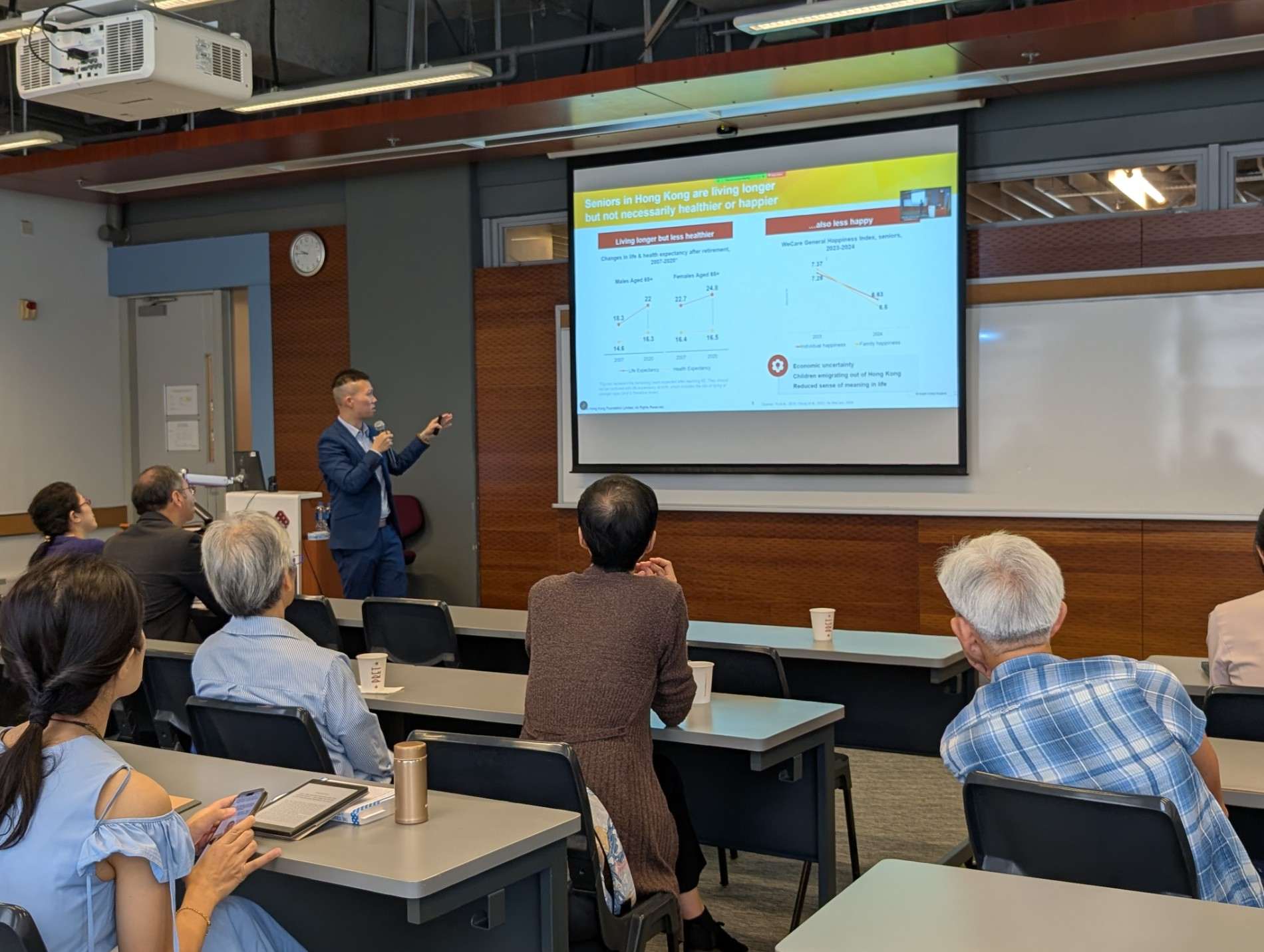
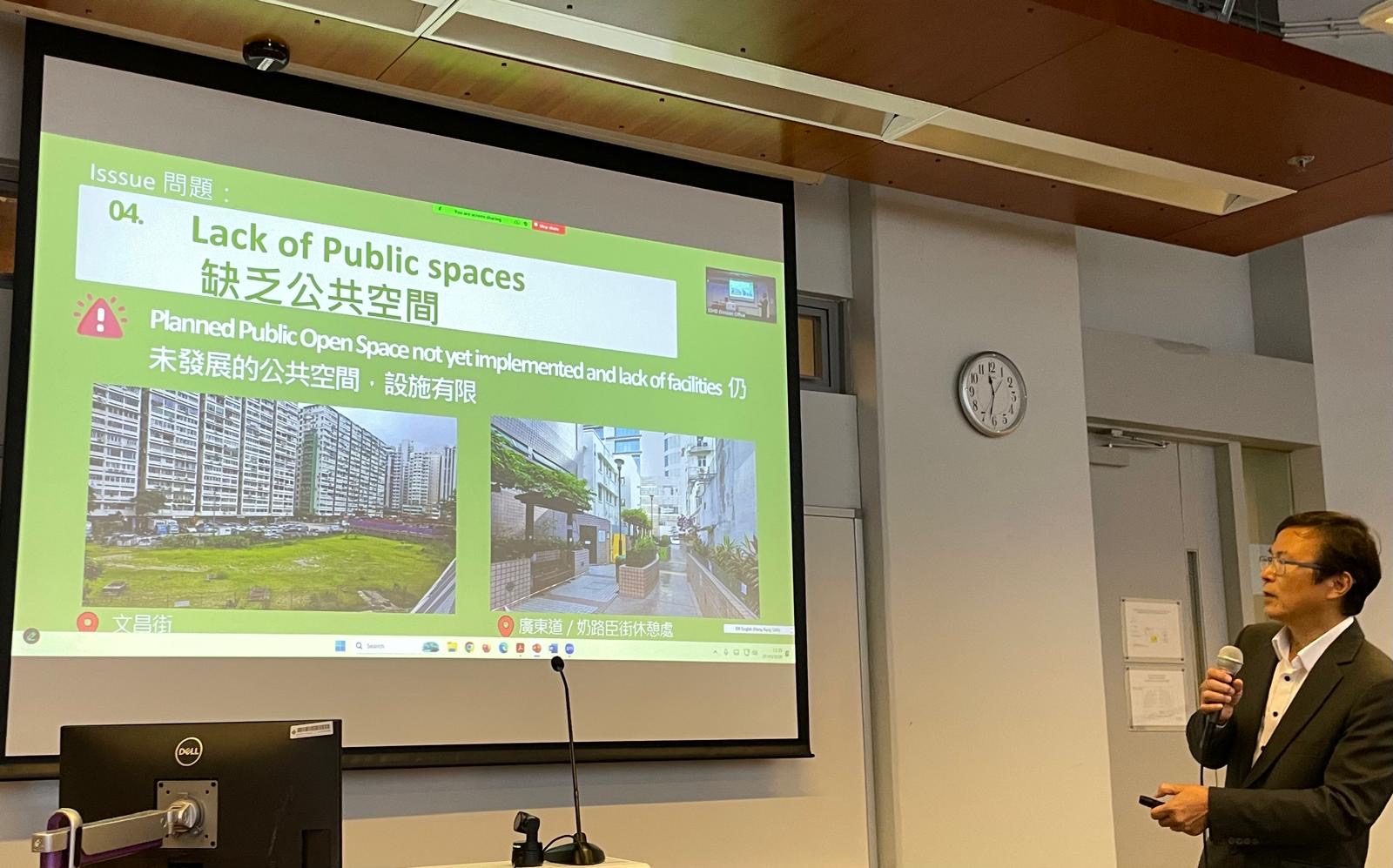
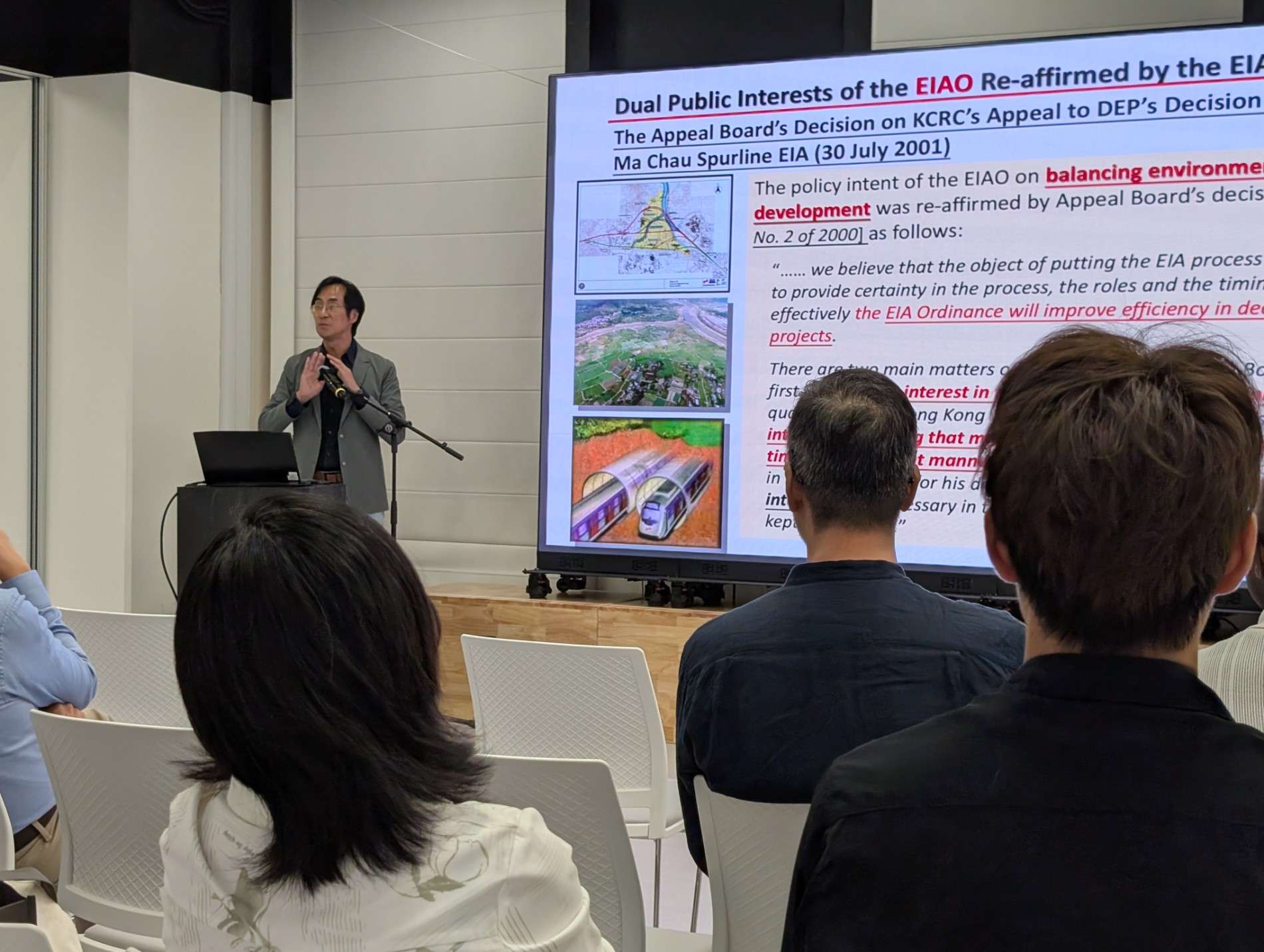
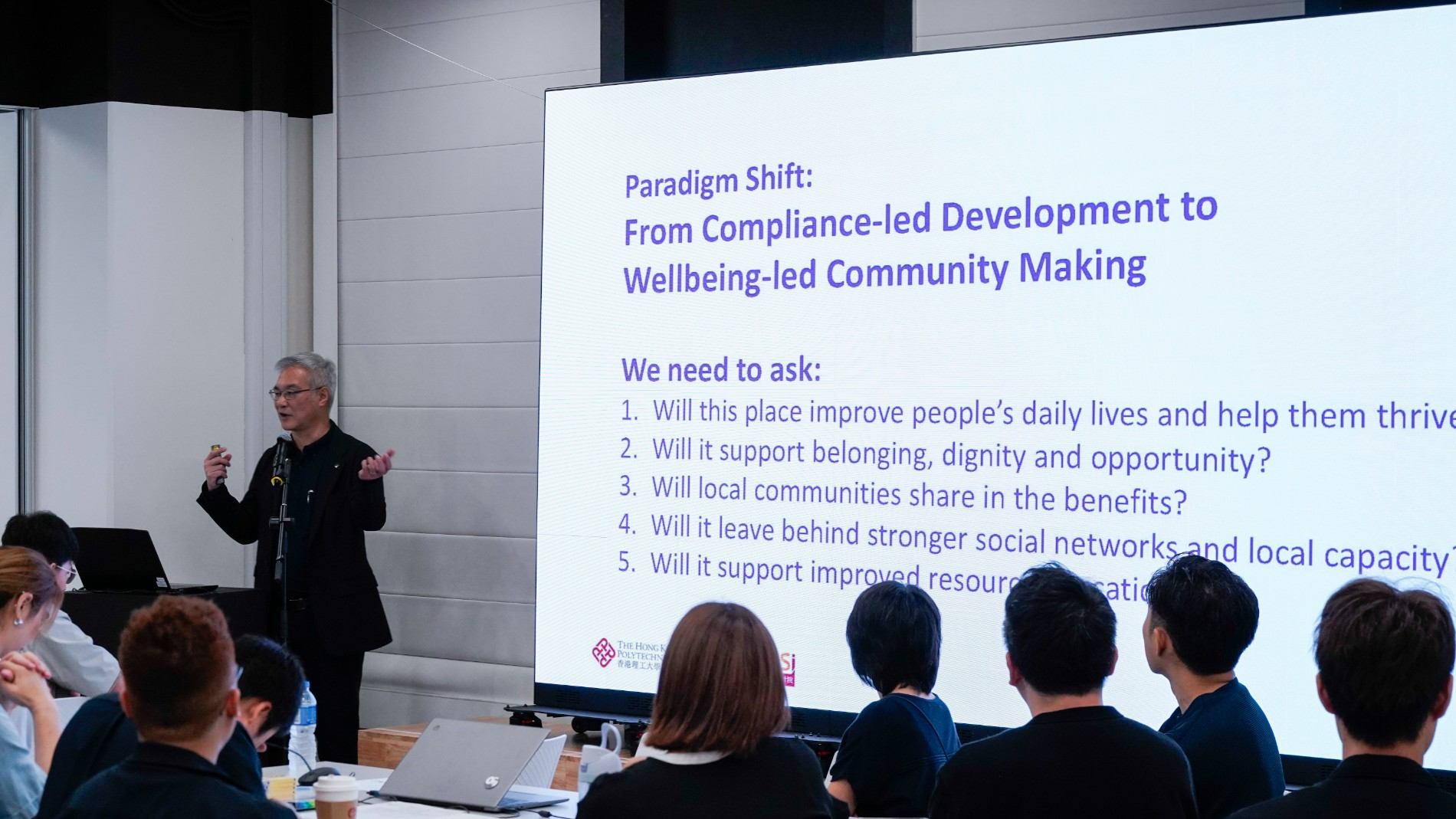
The event commenced with a presentation by Professor KK Ling, SBS, Chairman of the Hong Kong Housing Society and Senior Advisor to The President of The Hong Kong Polytechnic University, who provided an overview of the Northern Metropolis (NM) and its broader implications on the future development of Hong Kong. The presentation was followed by a sharing session by Ms Karen Lee, Senior Manager of the Jockey Club Design Institute for Social Innovation (J.C.DISI), which highlighted the key insights and lessons learned from the community research project at Queen's Hill, one of the first communities developed within the NM.
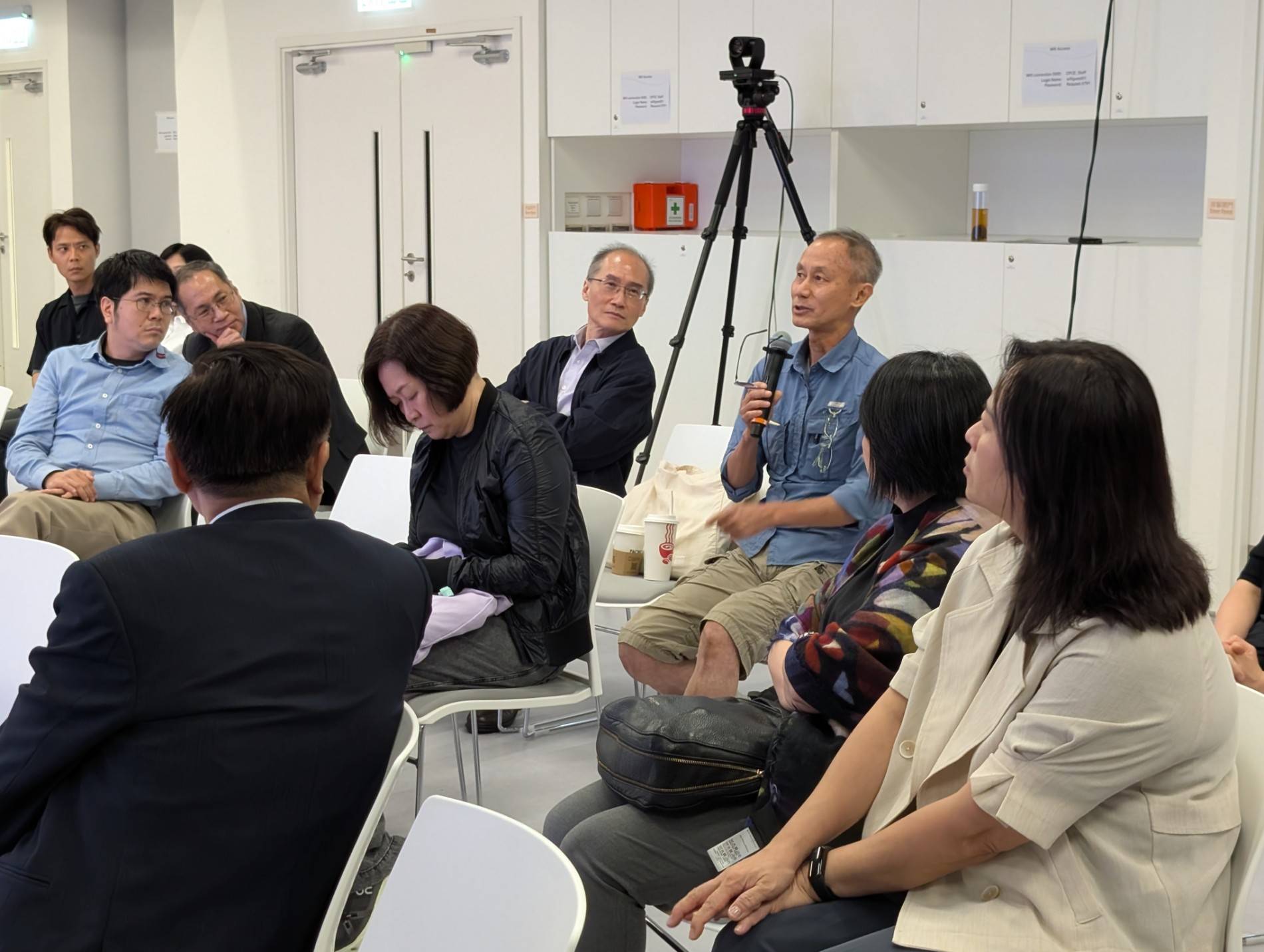
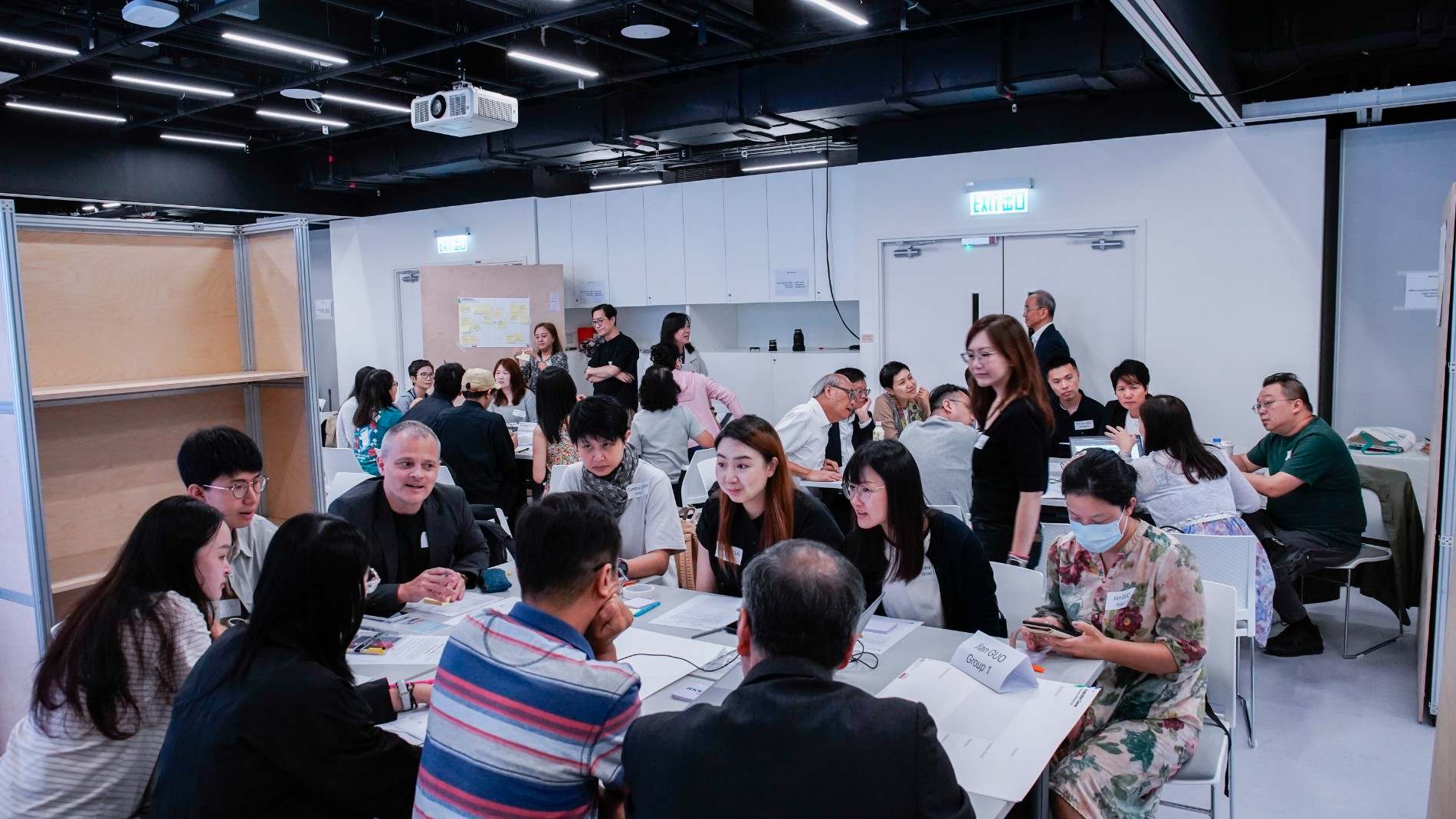
Participants were subsequently divided into six thematic discussion groups covering:
- Public space as intergenerational and inclusive third places
- Urban-rural integration and schools as inclusive community anchors
- Cultural tolerance, shared values and social inclusion
- Integrated social services and flexible, inclusive community infrastructure
- Mental wellness, family resilience and inclusive support systems
- Climate resilience, comfort and inclusive blue-green integration
Each group was supported by experienced facilitators and subject experts from PolyU CPCE, J.C.DISI, and Shue Yan University.
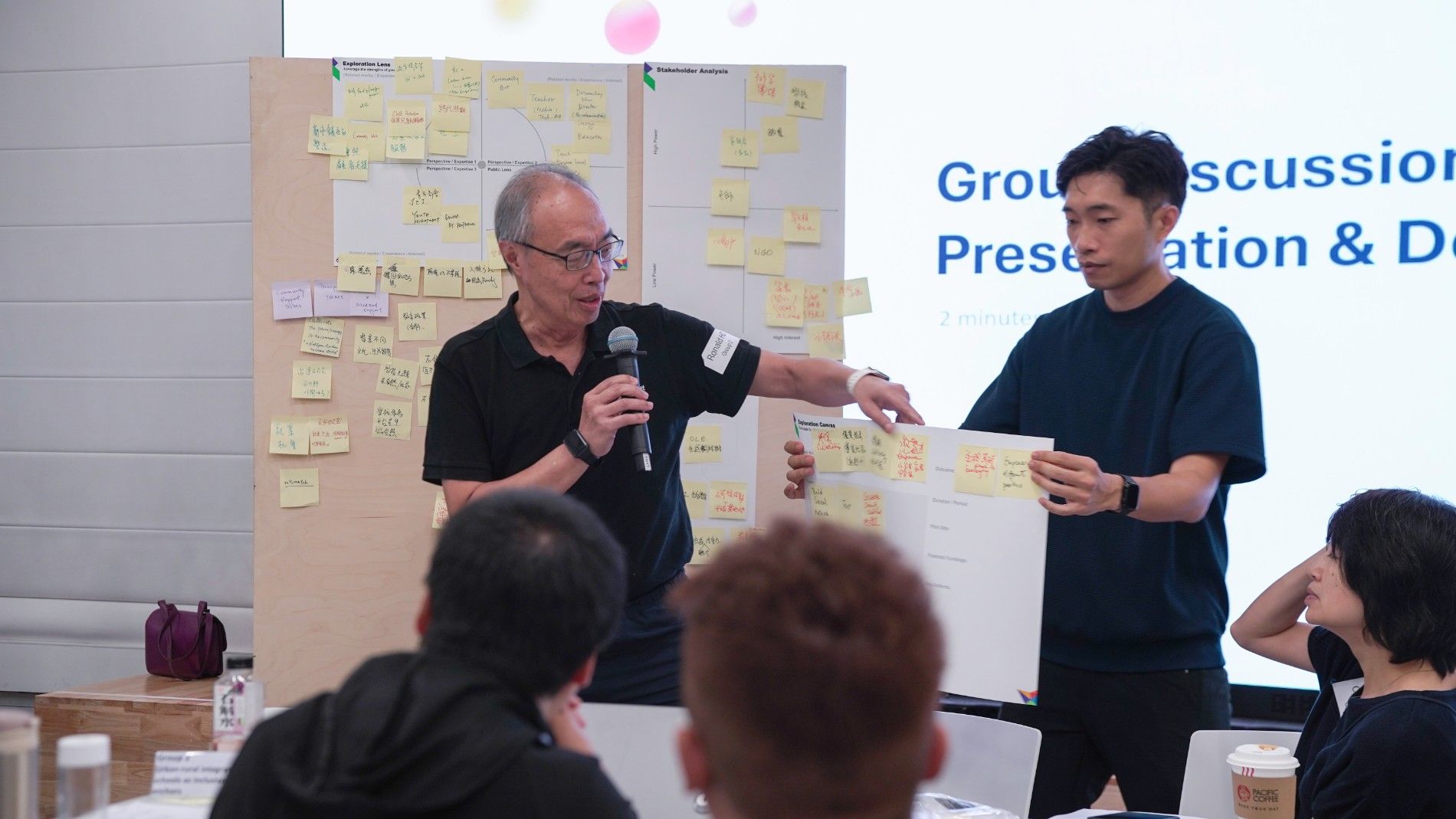
During the group discussions, participants first shared relevant experience and examined policy and community contexts before identifying key well-being issues within their thematic area. They then analysed stakeholder relationships and explored future scenarios or user personas to better understand community needs and opportunities. After learning more about the potential funding opportunities, participants translated their discussions into potential research topics, social service projects, and actionable next steps, which were presented during the closing debriefing session.
The event received overwhelmingly positive feedback from the participants, with many pointing out that the group discussions were especially valuable to their work. One participant found that the “discussion with a group of experts and professionals from different organisations” was very useful; another stated that “the workshop helped me understand that building an intergenerational and inclusive community is not just an ideal—it requires practical collaboration, communication, and planning.” The organising team extends its appreciation to J.C.DISI, Professor Ling, all facilitators and participants for making the workshop a resounding success.