


.jpg?Status=Master&sfvrsn=27ad26c2_4)
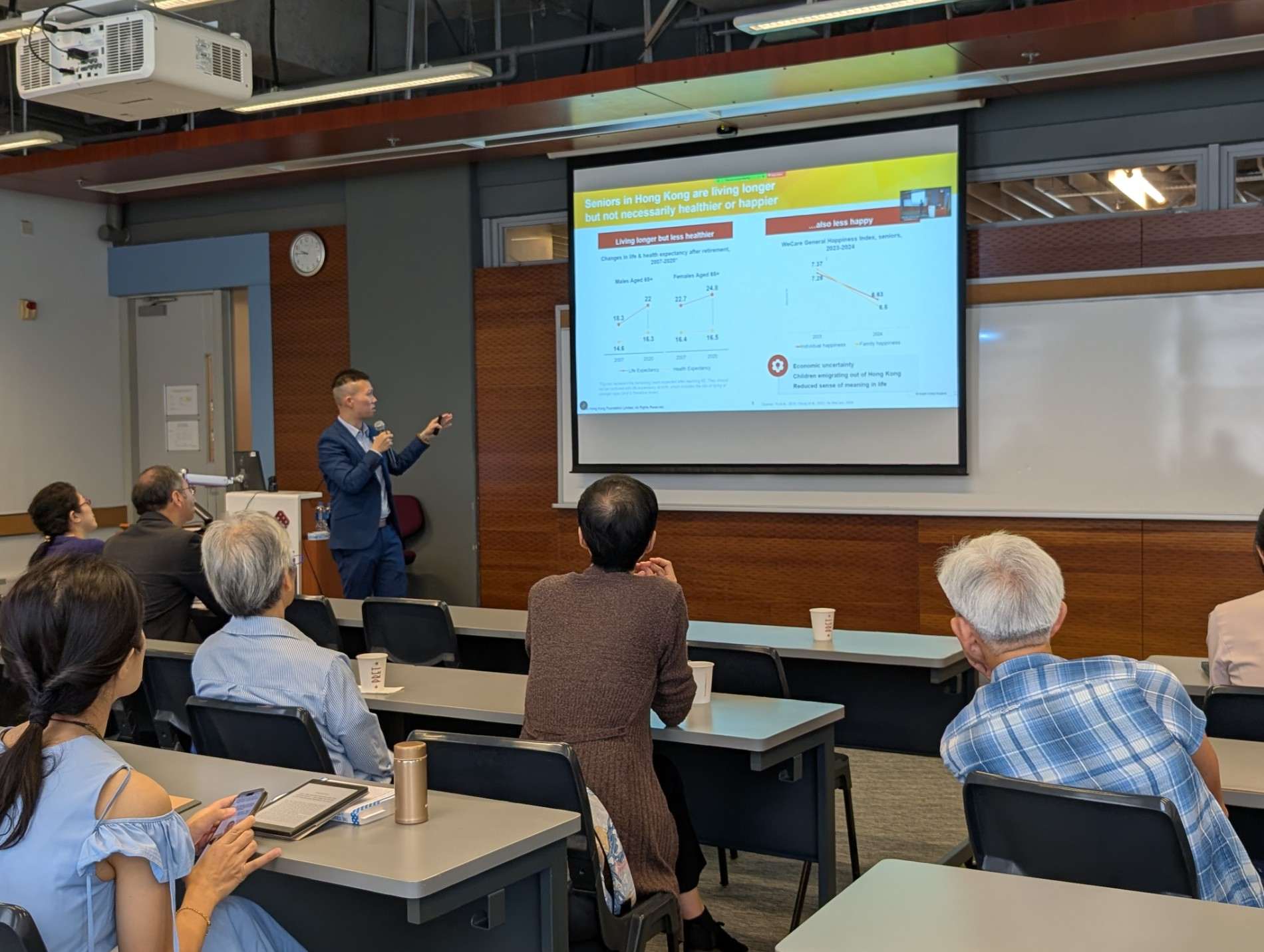
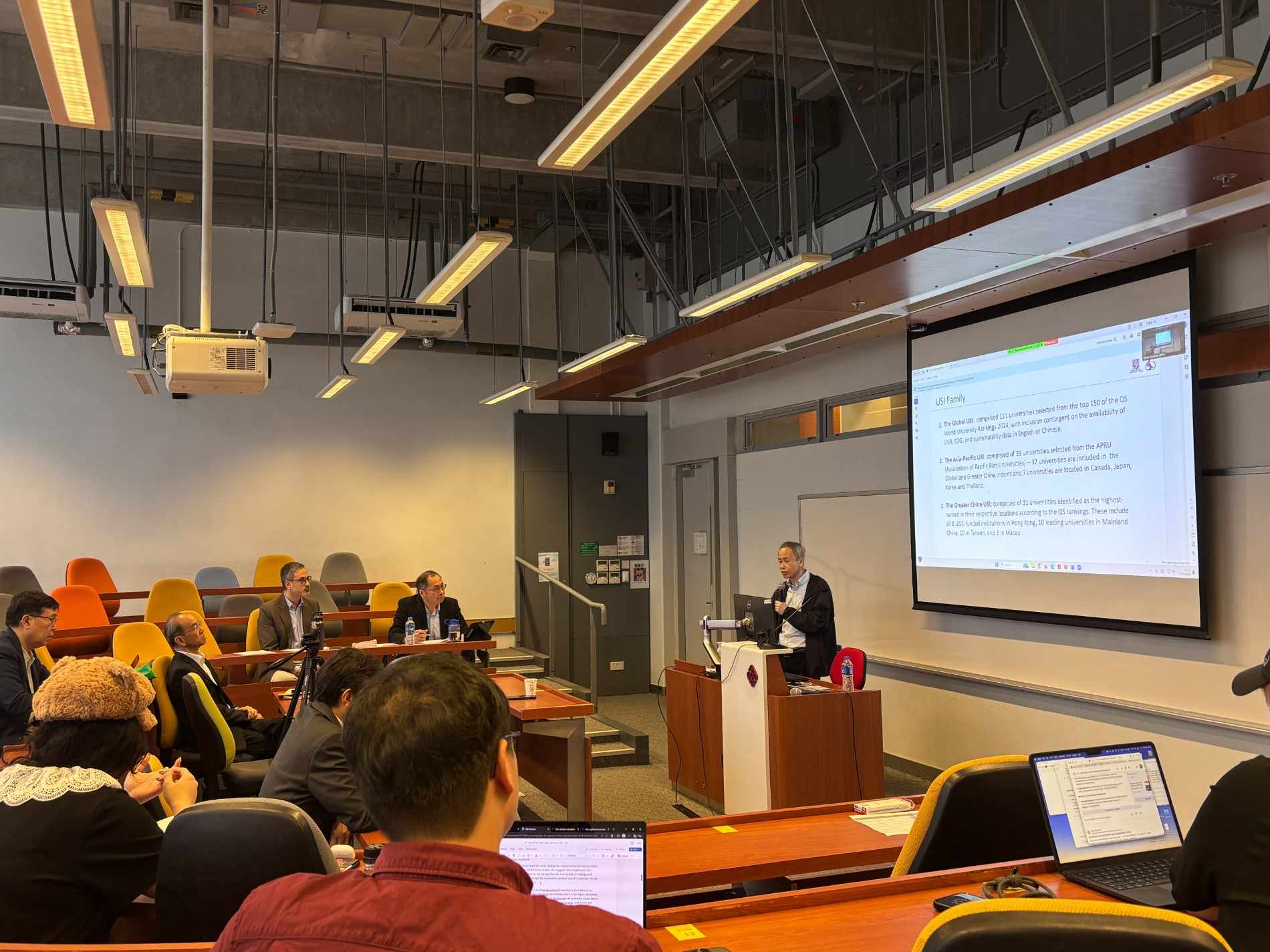
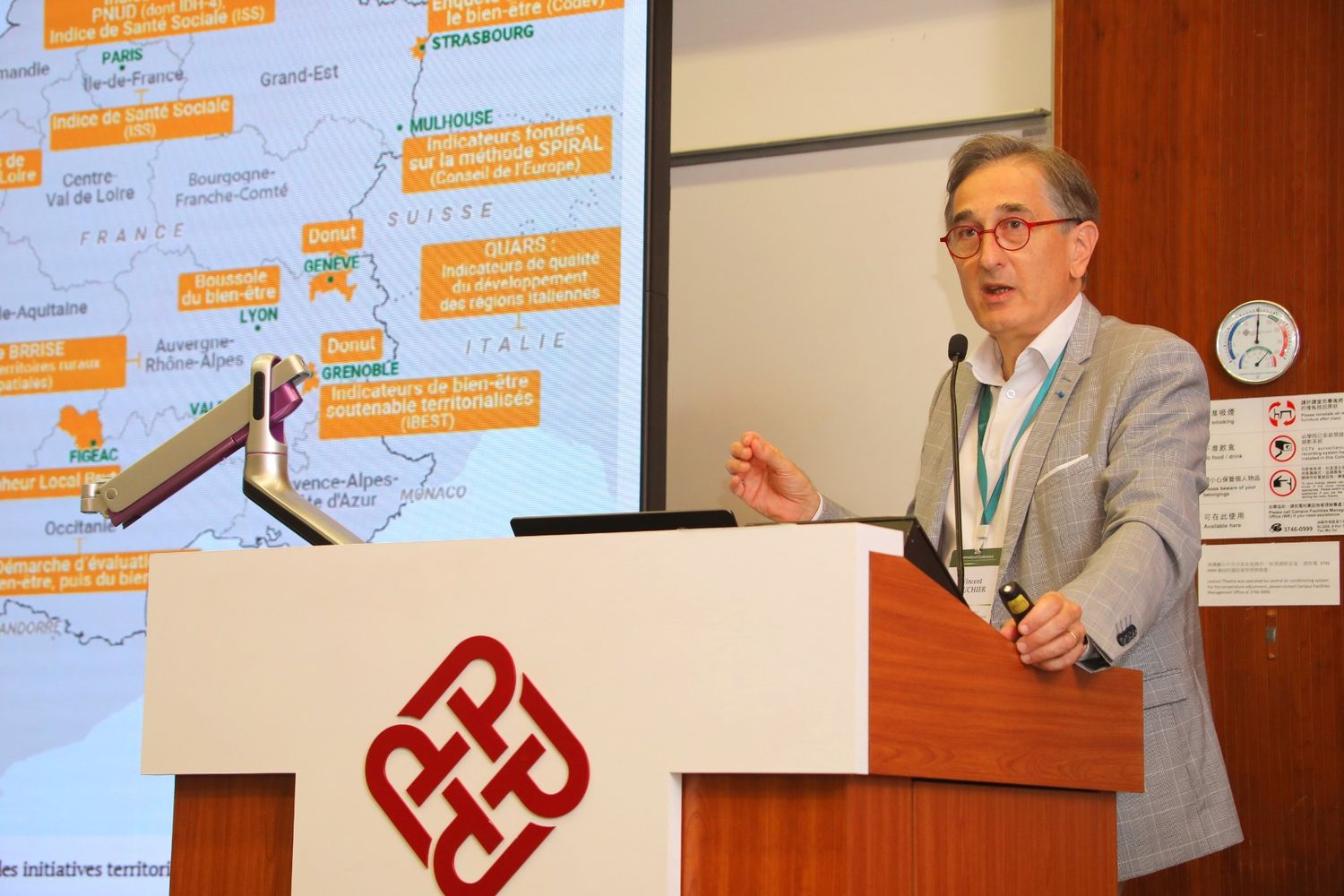
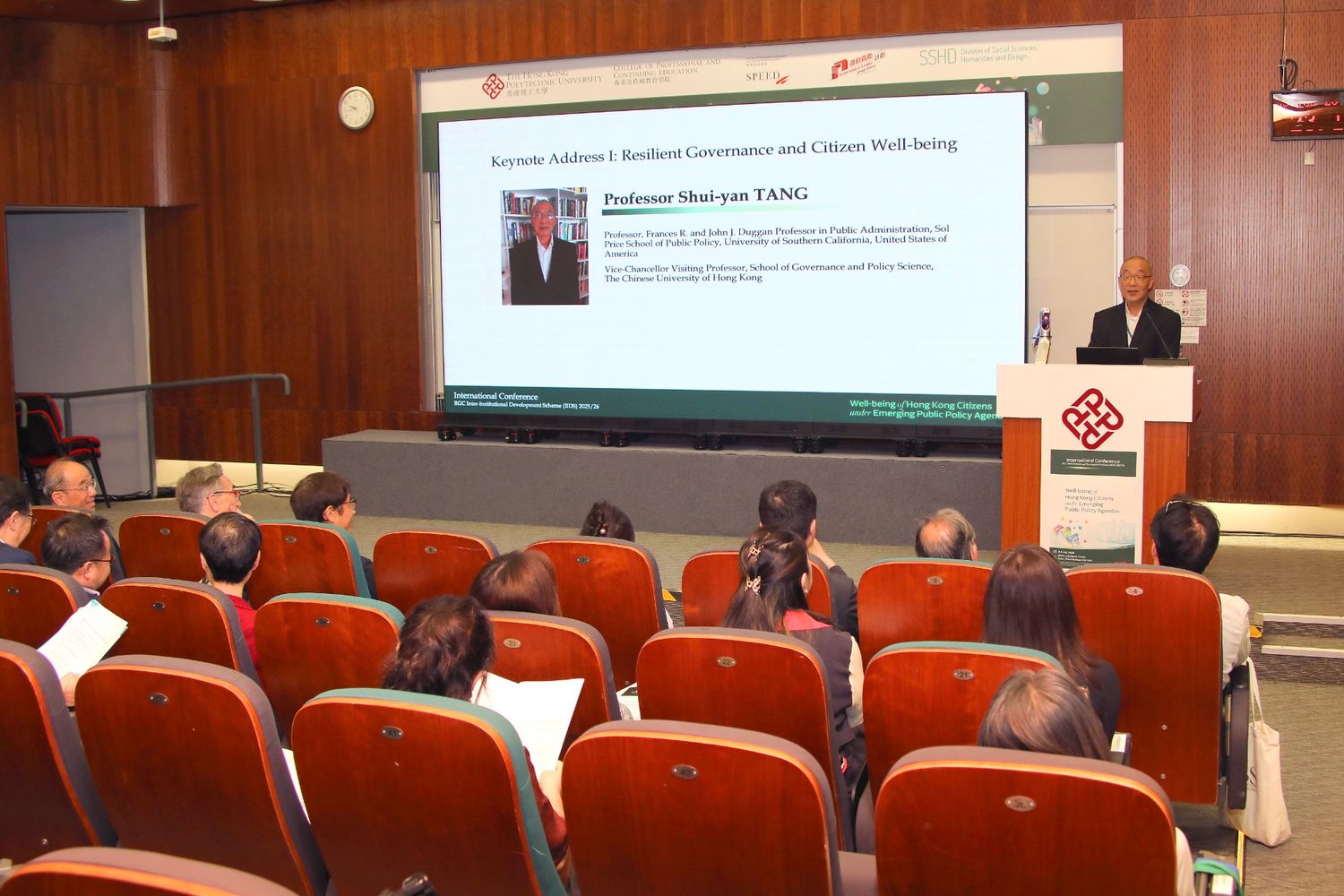
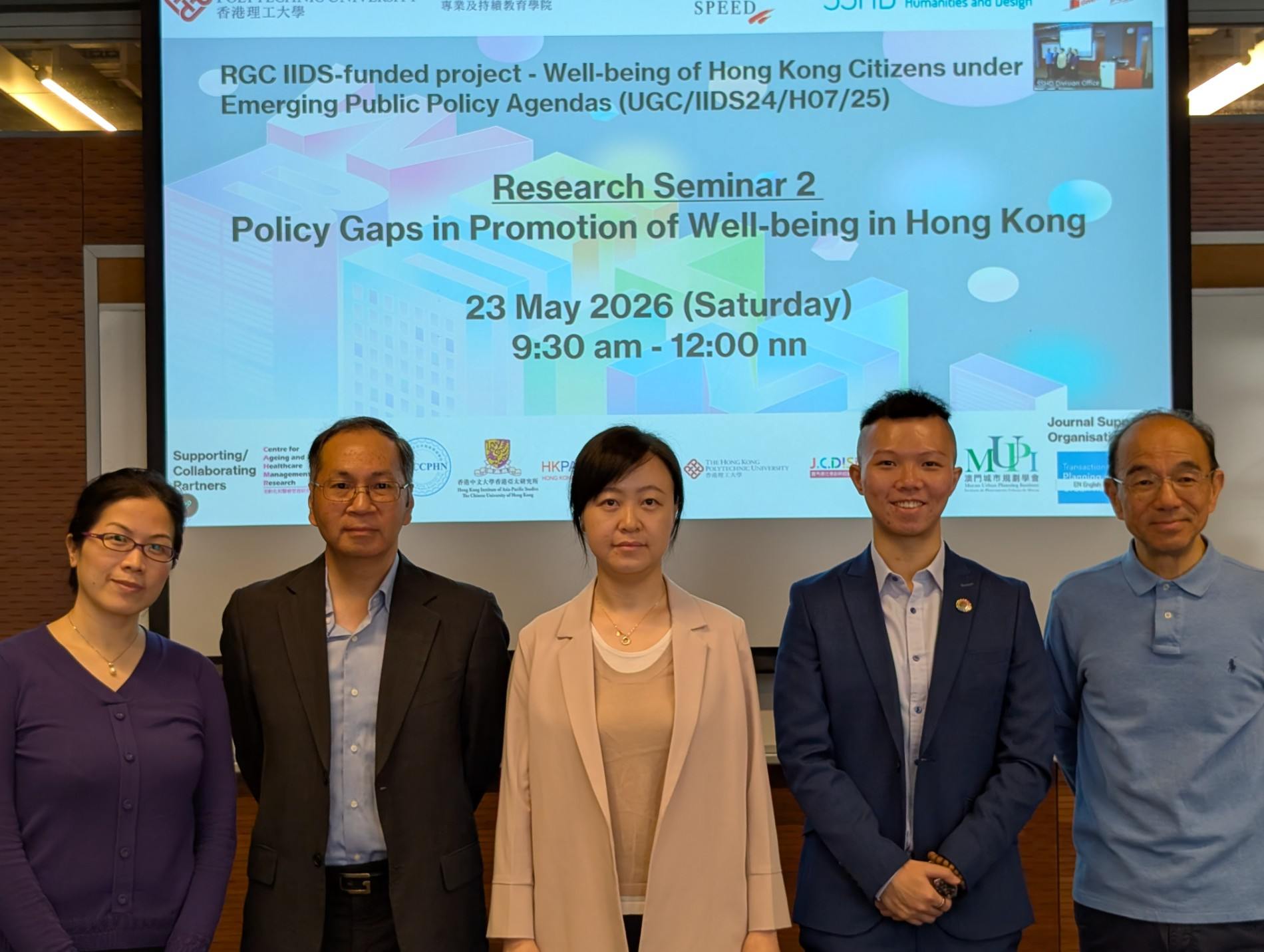
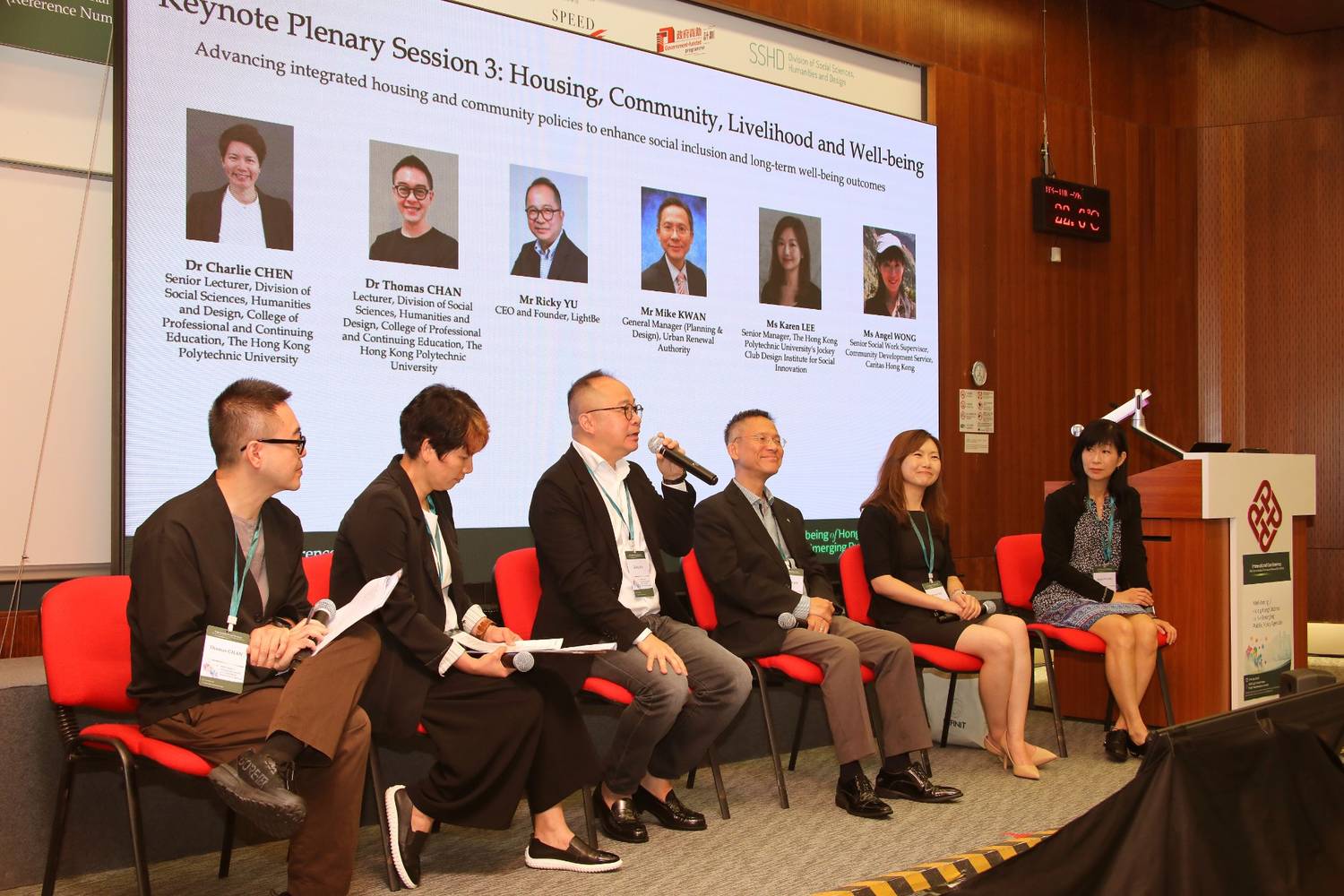
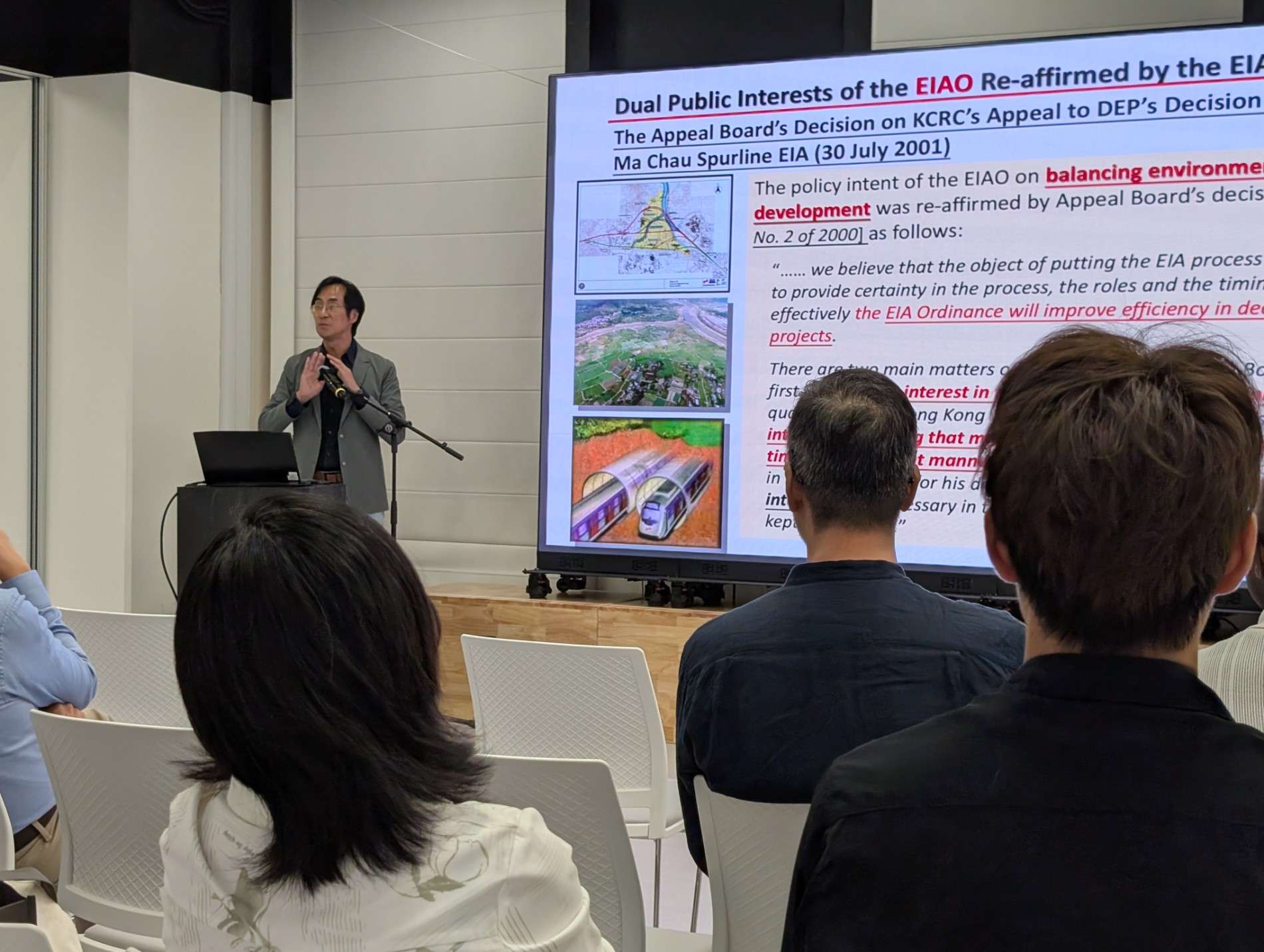
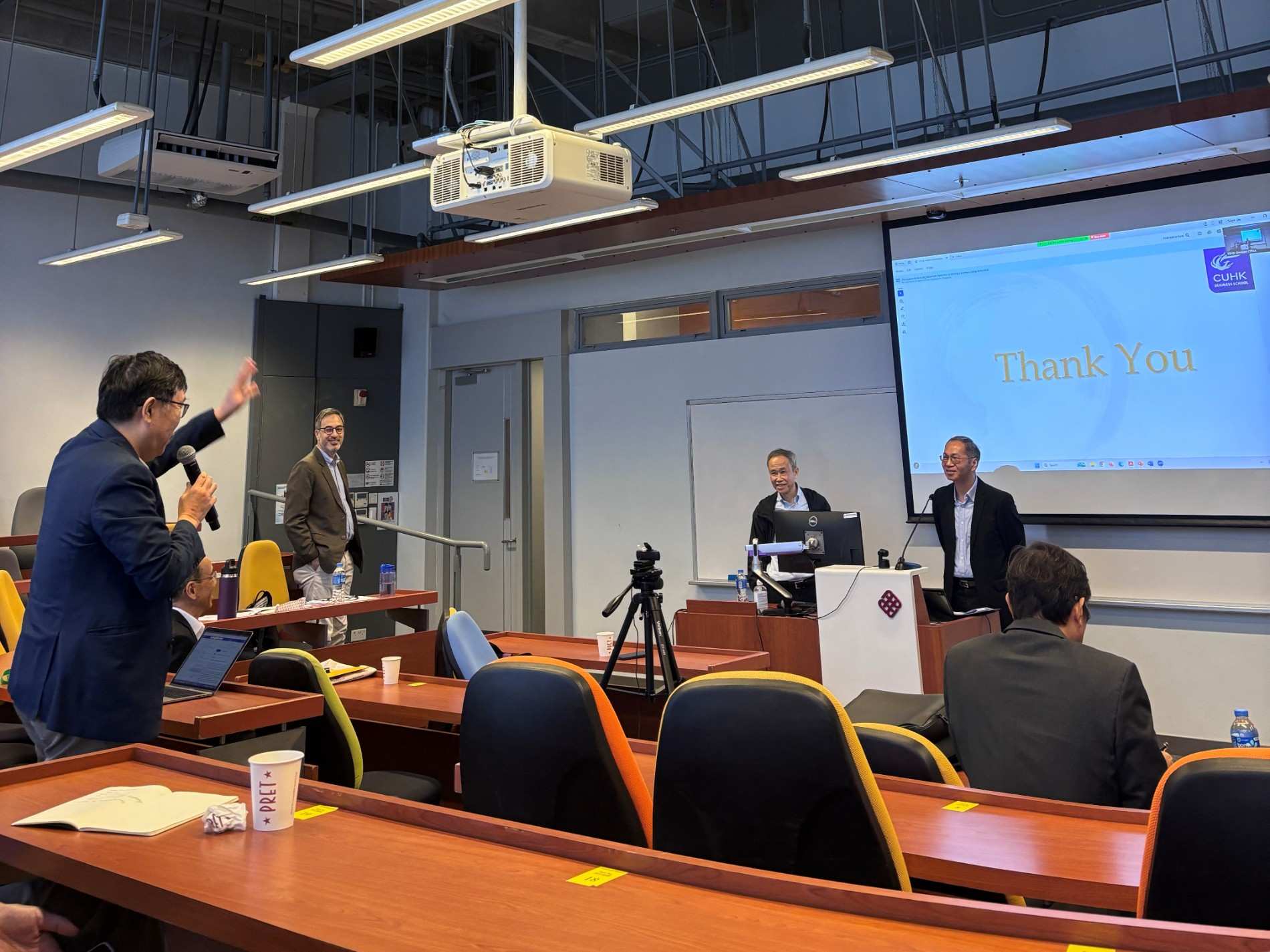
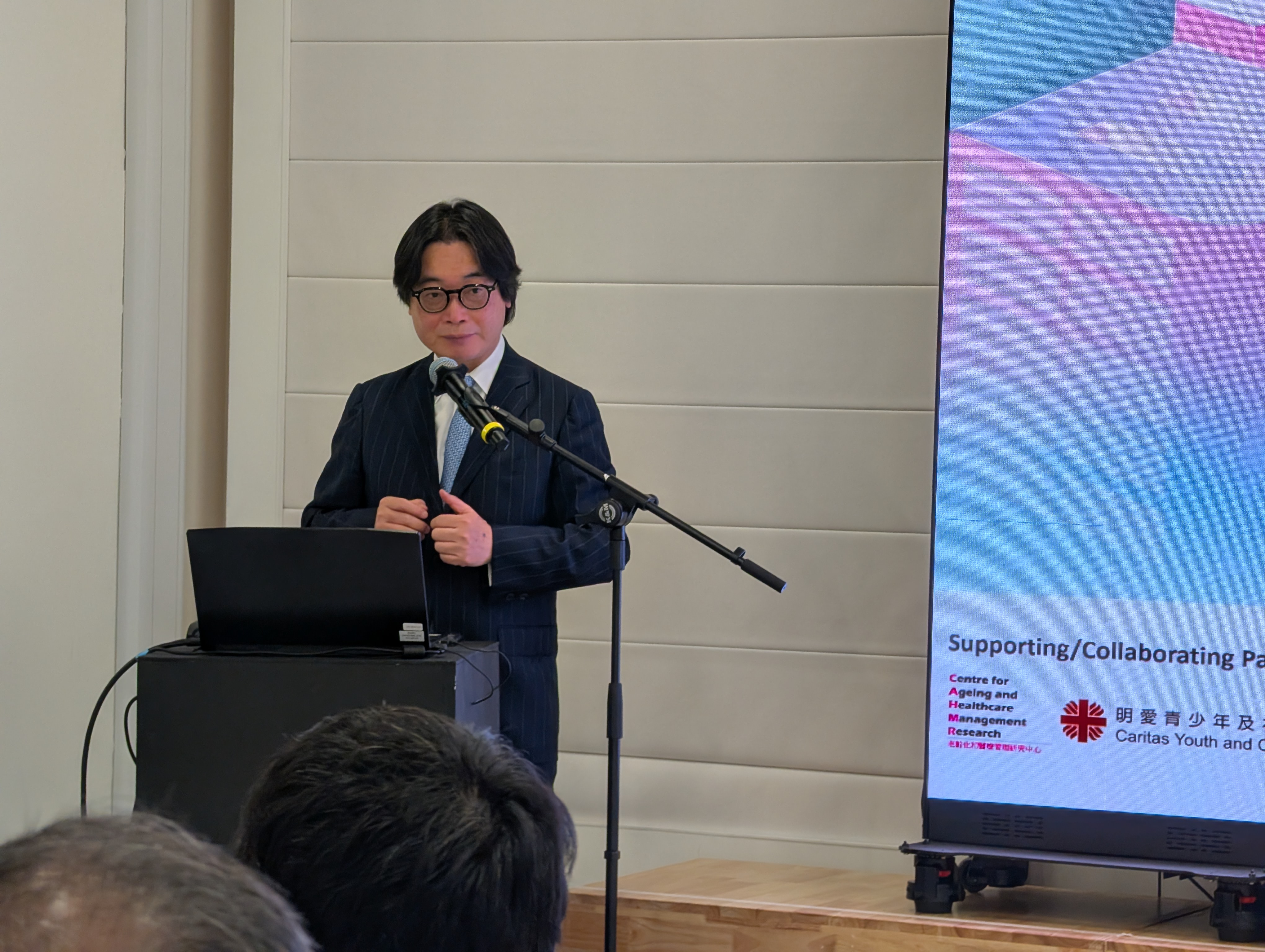
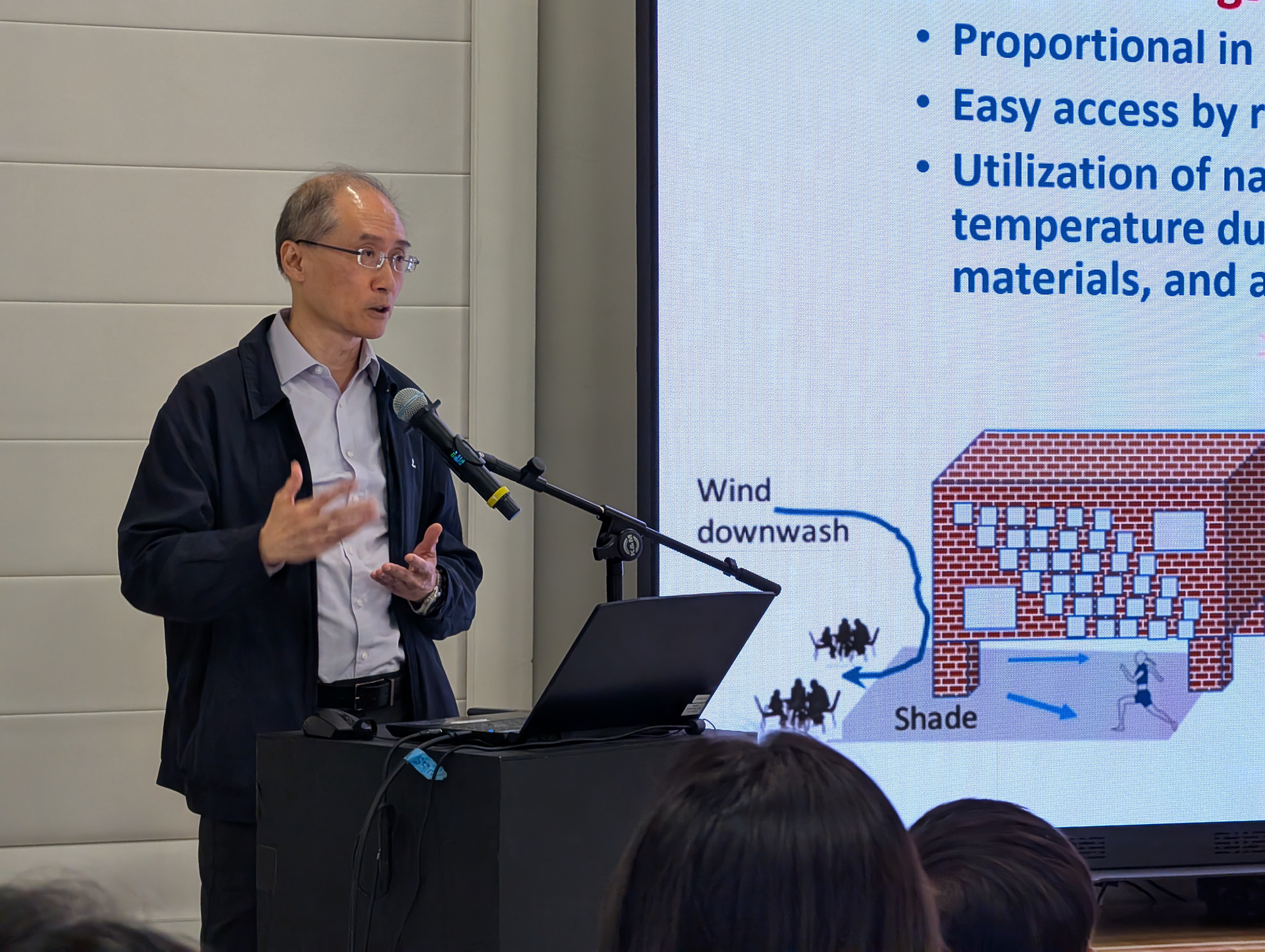
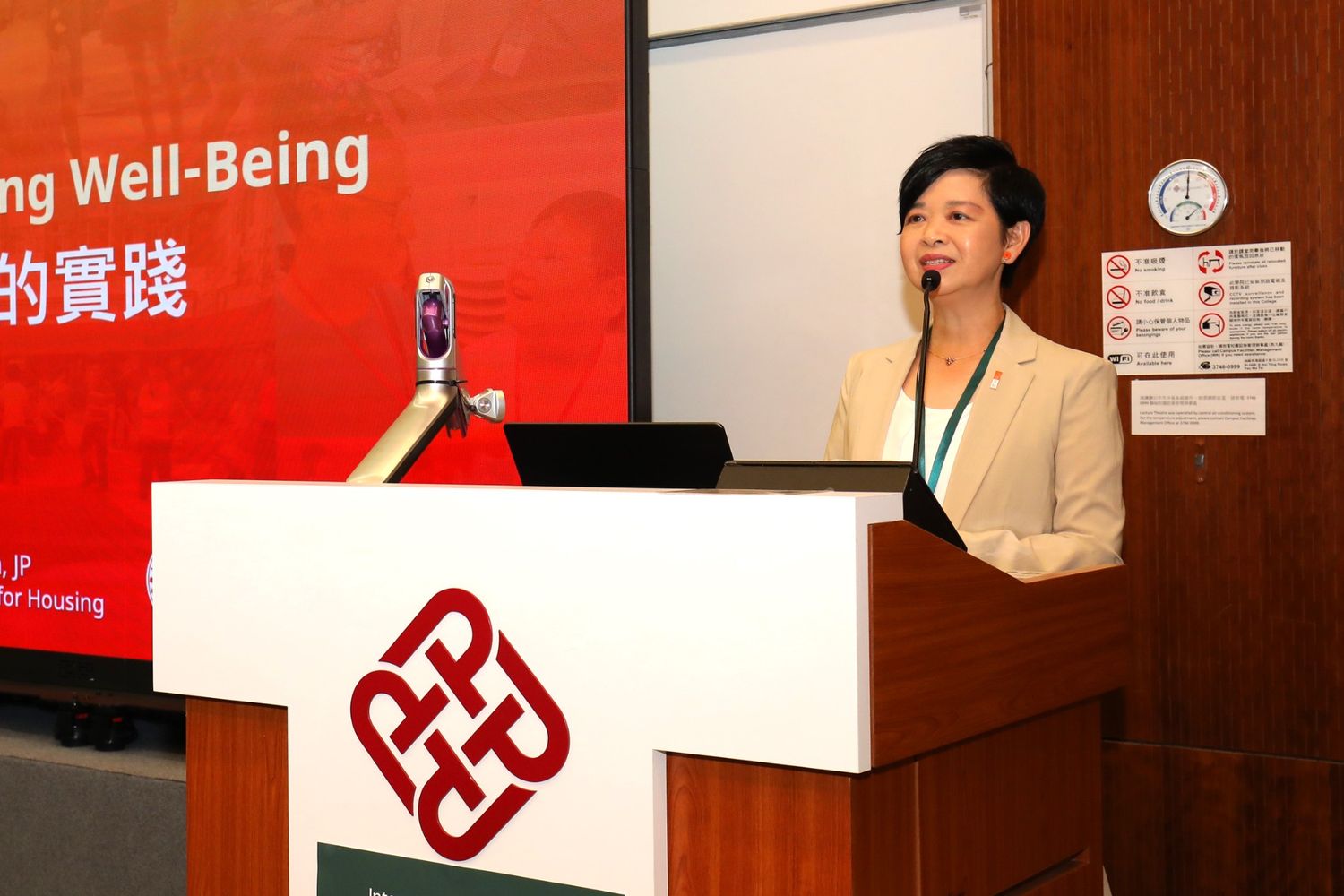
The IIDS Well-being Research Seminar 3: Role of the Public Sector in Promoting Well-being in Hong Kong successfully concluded on 8 September 2026 at the PolyU West Kowloon Campus. The seminar featured presentations by Professor Elvis Au, Adjunct Professor, Department of Geography and Department of Urban Planning and Design, The University of Hong Kong and Professor Bo-sin Tang, Adjunct Professor, Research Institute for Land and Space, The Hong Kong Polytechnic University. Each presentation was followed by remarks from the discussant Mr Francis Lam, Investment Director, China Railway Construction (H.K.) Limited.
In the first presentation, Professor Au explored how the concept of well-being has evolved in Hong Kong's public policy landscape. He argued that well-being should be understood as a multidimensional concept encompassing health, social welfare, environmental quality, economic security, and sustainability. Drawing on both international frameworks, including the UN Sustainable Development Goals (SDGs), and Hong Kong's own development history, he demonstrated that promoting well-being has long been intertwined with public health, housing, environmental protection, and sustainable development initiatives. He emphasised that the role of government has shifted from that of a regulator and service provider to that of a facilitator, educator, and partnership builder, requiring closer collaboration among government agencies, businesses, NGOs, universities, and communities. Contemporary sustainability and well-being challenges, he argued, can only be addressed through collective action and cross-sector partnerships.
Responding to Professor Au’s presentation, Mr Lam reflected on his experience as an urban planning student and built-environment professional. He recalled how sustainable development was once a relatively unfamiliar concept but gradually became integrated into professional practice through the efforts of surveyors, architects, planners, and engineers. Since the late 1990s, these professions have developed green-building standards and sustainability frameworks that now influence most development projects in Hong Kong. He further noted that the rise of Environmental, Social, and Governance (ESG) requirements has encouraged both public and private organisations to look beyond financial performance and consider their impact on societal well-being. As a result, sustainability and well-being have increasingly become part of corporate governance, professional standards, and public consciousness.
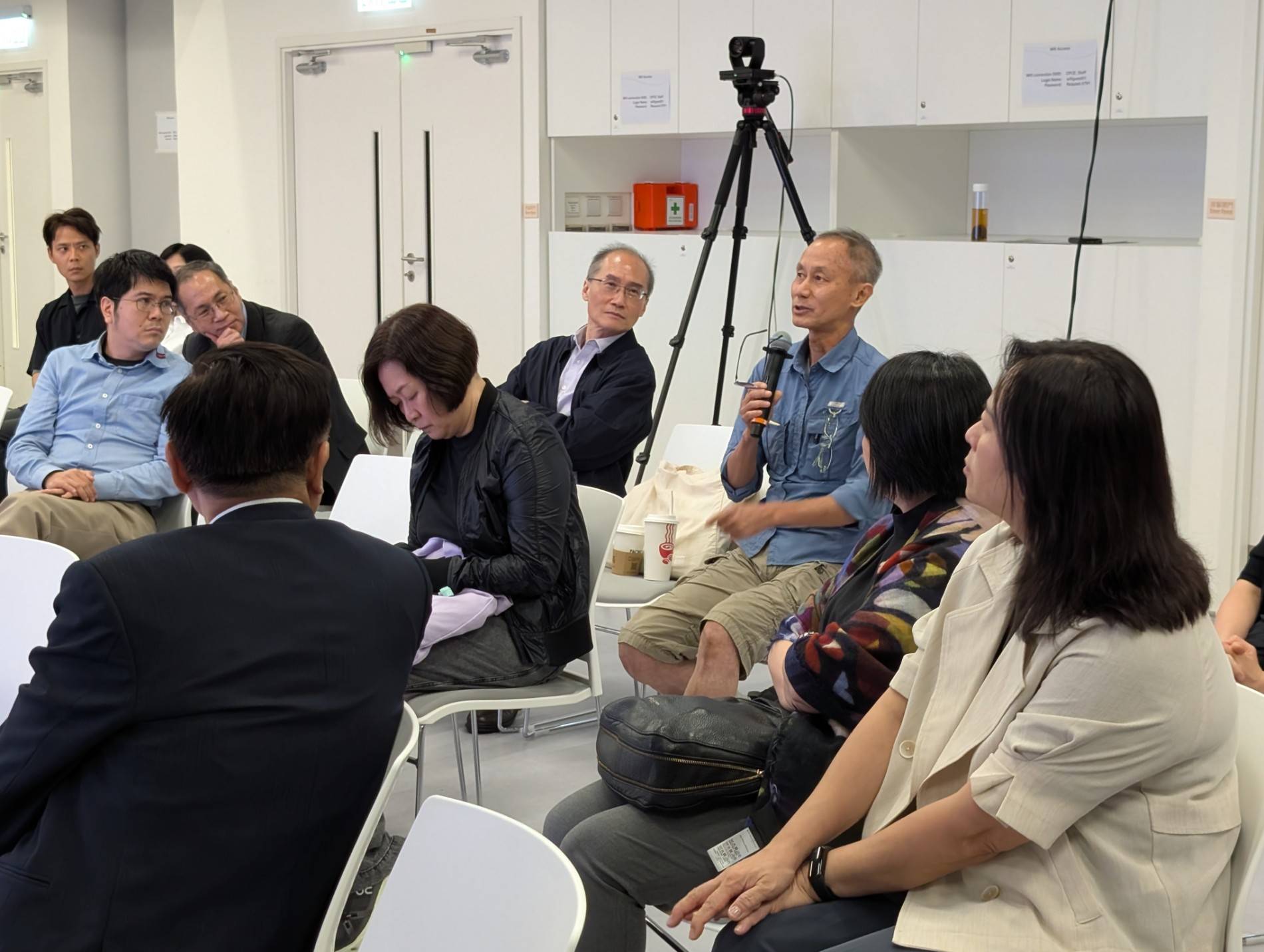
Professor Au's discussion with the audience highlighted that sustainability requires clear timelines to drive meaningful action and that effective collaboration is essential for promoting well-being. Professor Au noted that targets such as those in the Paris Agreement help galvanise actions, while historical examples such as Hong Kong's response to the 1894 plague demonstrate the value of partnerships among government, NGOs, businesses, and communities in addressing societal challenges.
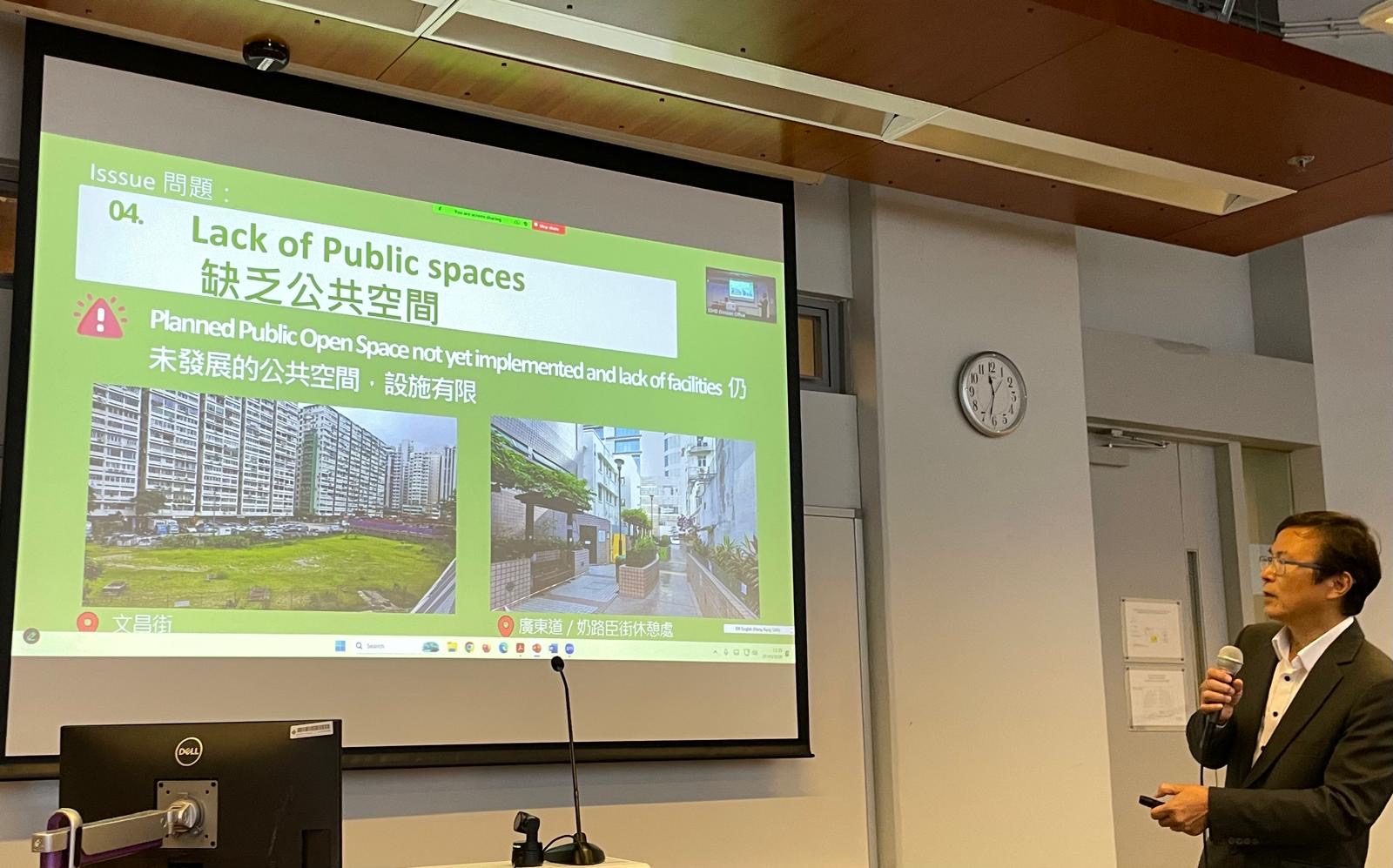
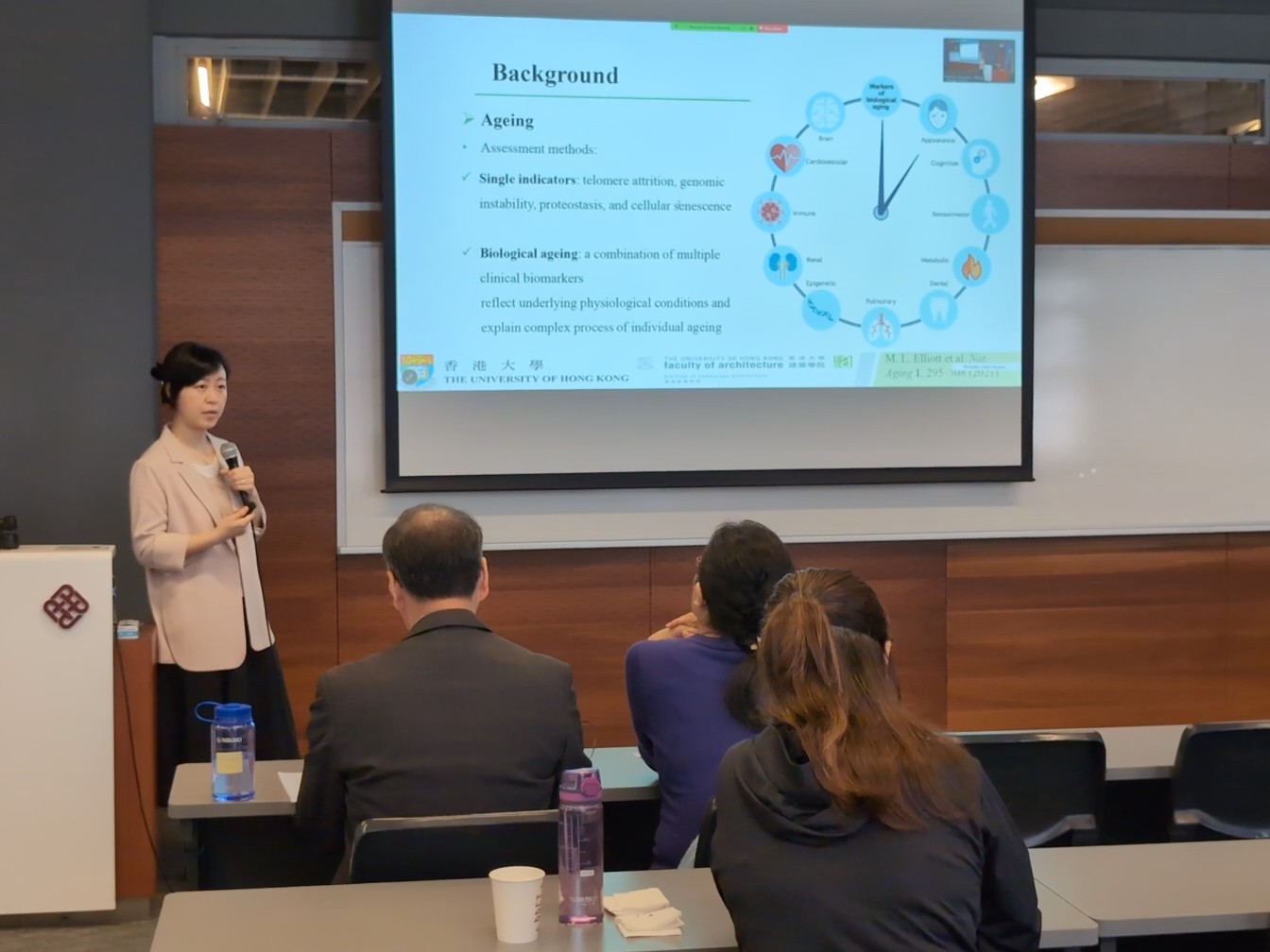
The second presentation, delivered by Professor Tang on behalf of Professor Jianlei Niu's research team, focused on the relationship between urban design, thermal comfort, and well-being in high-density cities. The interdisciplinary project investigates how localised outdoor cooling and comfort hubs (LoCHs) can improve public health and climate resilience in high-density cities like Hong Kong. By combining urban climate modelling, human thermal-comfort studies, artificial intelligence, GIS technologies, and planning research, the team examines how wind flow, vegetation, urban form, and building design influence heat exposure and outdoor comfort. One of the project's major findings is that elderly residents are particularly vulnerable to heat stress despite being frequent users of public open spaces. The research therefore advocates strategies such as increased greenery, better shading, improved ventilation, connected open-space networks, and inclusive public-space design to create healthier, more resilient, and more equitable urban environments.
In his remarks, Mr Lam linked the project to lessons from the COVID-19 pandemic, when outdoor spaces became increasingly important for recreational and social interaction. He highlighted the growing value of Hong Kong's harbourfront promenades and public open spaces, and suggested that the project's scientific modelling and AI-based tools be integrated into planning processes to improve ventilation, sunlight access, and pedestrian comfort. He also pointed to community-created spaces such as Garden Hill in Sham Shui Po as examples of places that naturally attract residents, arguing that planners should better understand these preferences. In addition, he advocated stronger pedestrian and greenway connections between open spaces, while noting that newer towns often discourage walking because of fragmented urban layouts. He concluded by encouraging collaboration between the research team and the Harbourfront Commission to explore practical strategies for enhancing thermal comfort and reducing heat stress in waterfront public spaces.
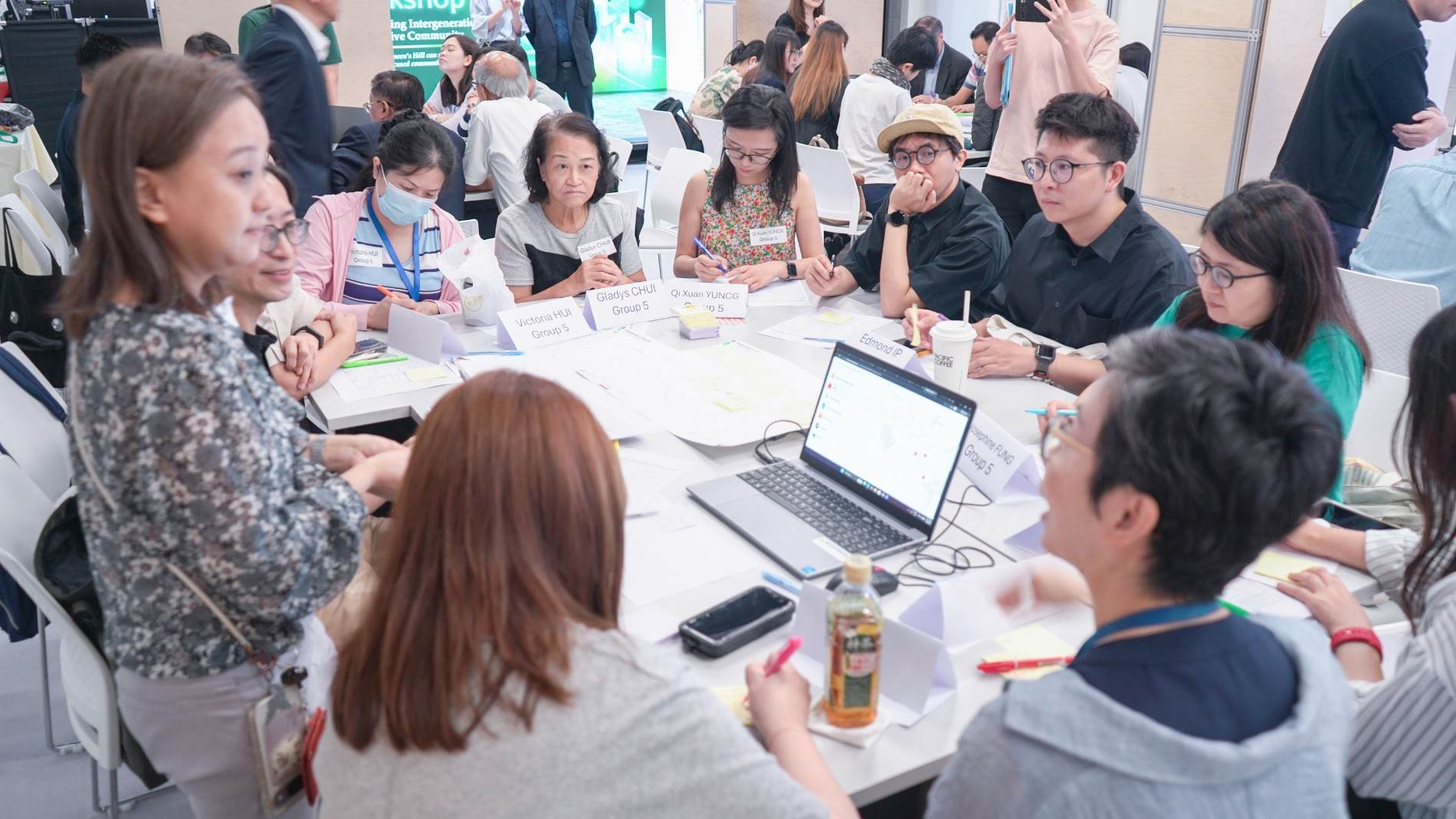
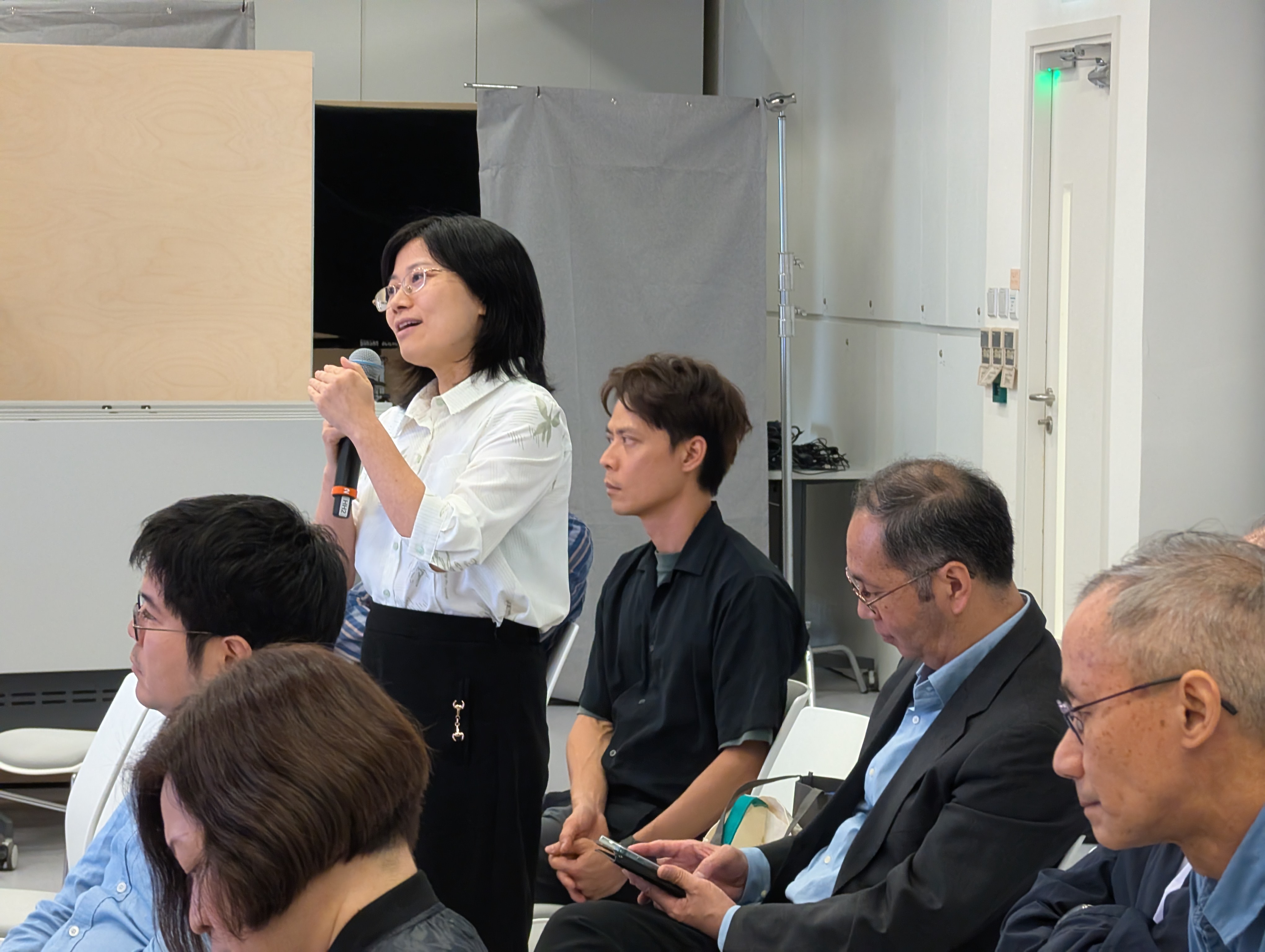
The audience discussion focused on how thermal-comfort research can inform urban planning and public-space design. Participants highlighted the need for more walkable, comfortable, and connected public spaces, while raising concerns about urban heat and the vulnerability of elderly residents. Professor Tang emphasised that strategies such as tactical urbanism and evidence-based planning can help improve thermal comfort and build healthier, more climate-resilient communities.
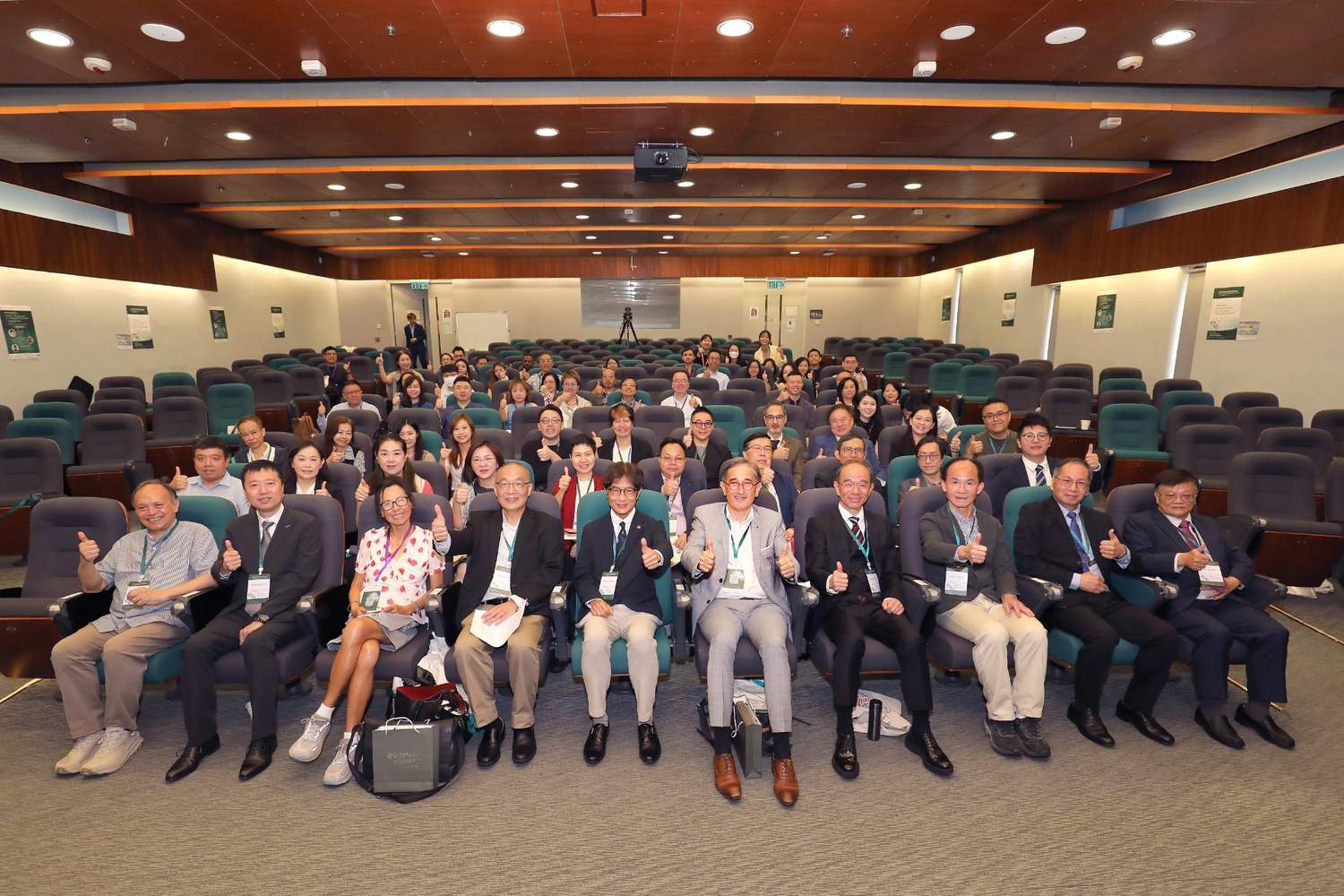
Overall, the event brought together 59 onsite and online participants, many of whom commended the seminar content and organisation in their feedback. The conclusion of Research Seminar 3 marked the completion of all planned activities under the IIDS Project Well-being of Hong Kong Citizens under Emerging Public Policy Agendas (Project reference no.: UGC/IIDS24/H07/25). Serving as a fitting concluding event, Research Seminar 3 reaffirms the project's commitment to interdisciplinary dialogue and collaboration in exploring the well-being issues in Hong Kong. The Project team extends its gratitude to all supporting organisations and journal, speakers, and participants whose contributions made the project possible.